






Key Takeaways
- Life insurance helps protects your family's future, covering expenses such as medical bills, funeral costs, debts, mortgage payments, and tuition.
- Life insurance replaces income for your family in the event of your death, ensuring their financial stability and preventing immediate hardship.
- Some types of life insurance accumulate cash value over time, offering access to funds for temporary financial needs or unexpected expenses.
- Life insurance can help provide financial stability during difficult times, such as covering funeral costs and immediate expenses.
- Life insurance can be used for legacy planning, leaving a financial inheritance for loved ones, or supporting charitable causes.
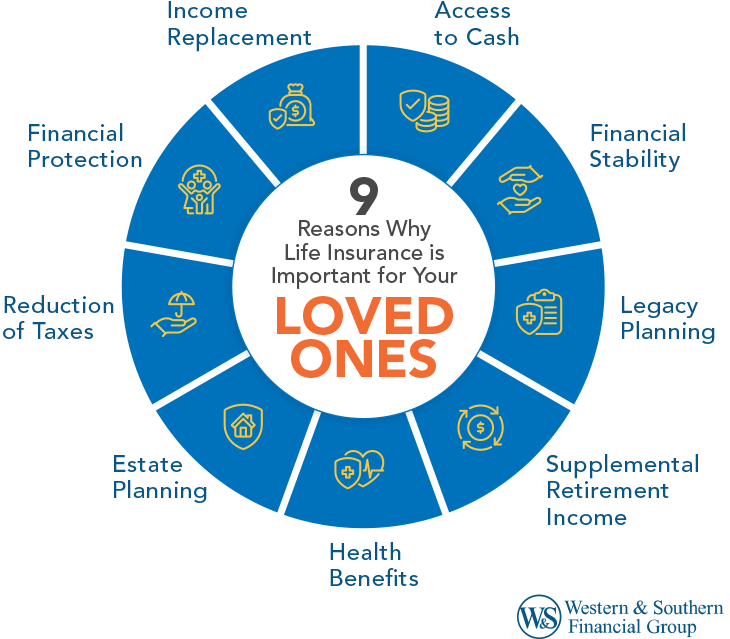
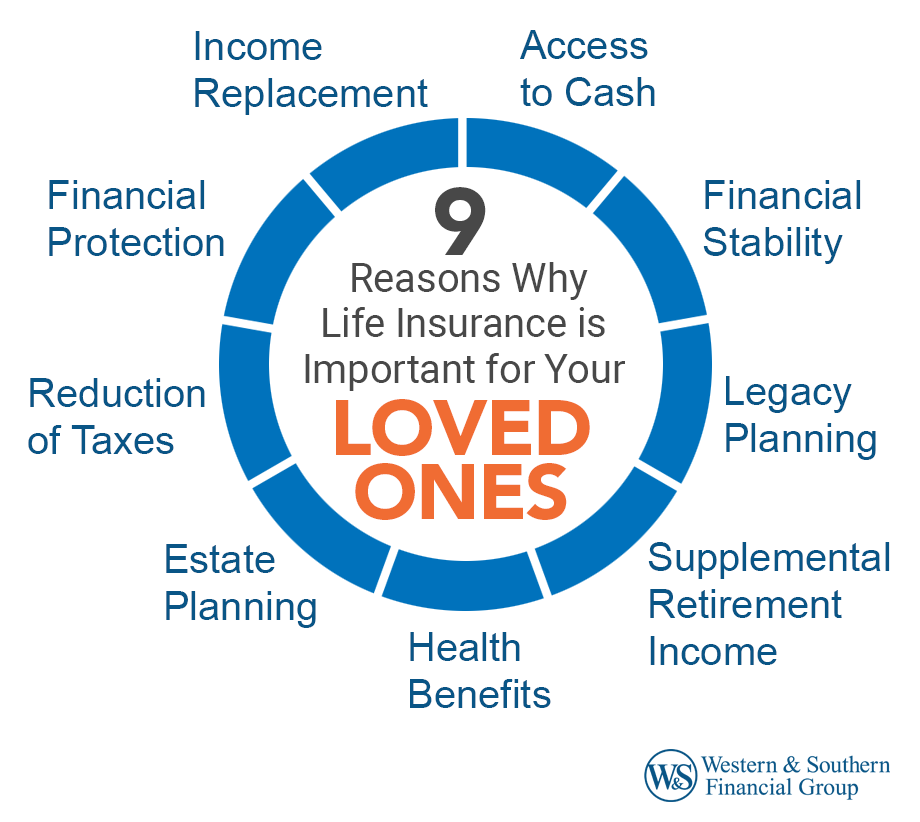
Understanding the benefits of life insurance can help you plan for your family's long-term financial needs. Here are nine reasons why life insurance is important.
1. Financial Protection
Life insurance is meant to help protect your family’s financial future. Buying a life insurance policy helps support your family’s stability if you pass away and may reduce some of the stress during a difficult time. Even if you have savings, it may not be enough to cover your family’s expenses for several years or even decades if something unexpected happens.
Typically, there are several types of life insurance to consider, including term life insurance, whole life insurance, and universal life insurance. Death benefits are usually paid as a lump sum. This money can help cover expenses such as medical bills, end-of-life costs, outstanding debts, mortgage payments, health insurance, and tuition.
Some types of debt do not go away when you die. This means your loved ones may need to use money from your estate or sell assets to cover those obligations. As a result, there may be less money available for other expenses. During a time of loss, life insurance can help reduce financial strain from lost income and help support your family’s ongoing needs.
2. Income Replacement
Whether you have a 9-to-5 job, are self-employed, or own a small business, your income may cover some or all of your family’s daily needs. Housing, food, utilities, clothing, car maintenance, outstanding loans, and health care premiums are often part of your monthly budget.
If you were to pass away unexpectedly, your family would still need to pay for these ongoing expenses without your income. A life insurance death benefit can help replace lost income and support your loved ones as they manage these costs after you are gone.
3. Access to Cash
Some types of permanent life insurance, like whole life insurance and universal life insurance, offer a cash value component. As you pay your life insurance premiums, the insurance company invests a portion of that money. Over time, this allows your policy to build cash value.
In the future, you may be able to access this cash value through policy loans or withdrawals to cover temporary needs or unexpected expenses, such as a major car repair. However, withdrawing funds from your cash value will reduce your future death benefit. This means your beneficiaries may receive less money when you pass away.
Building cash value in a permanent life insurance policy can provide an additional source of funds for emergencies. It gives you the option to borrow or withdraw money from your policy when needed.
4. Financial Stability
One of the main benefits of life insurance is that it can help support your loved ones if you pass away. For example, funerals can be expensive. Covering these costs can add to the emotional strain your family may already be facing.
Your family could use part of the death benefit from your life insurance policy to help pay for funeral expenses. The policy’s beneficiary can send funds directly to the funeral home or pay out of pocket and use the death benefit as reimbursement.
Life insurance can help reduce the financial burden on your family by providing funds when they may need them most.
What Is The Concept Of Human Life Value In Life Insurance?
The human life value (HLV) concept relates to life insurance. It measures a person’s economic value based on the income and support they provide to their family or dependents. In simple terms, it estimates the financial loss a family may face if that person passes away.
This concept can help when deciding how much life insurance coverage may be appropriate. It gives a general idea of the amount needed to help support your family if you are no longer there to provide income.

5. Legacy Planning
Many people choose to use life insurance to leave a legacy for their loved ones or a favorite charitable cause. When selecting your life insurance beneficiary, think about who or what you want to receive your death benefit.
For example, if you have children, life insurance can help your family pay for future childcare and education costs, including college tuition. Even if you have already started contributing to a 529 college savings plan, the death benefit from a life insurance policy can provide additional funds to help cover your children’s education if you pass away.
You may also choose to leave a legacy through charitable giving by naming a religious, arts, or charitable organization as your beneficiary. Another option is to donate your life insurance policy directly to a charity. You could also allow the charity to purchase a policy on your life and make annual tax-deductible contributions to help cover the policy’s premiums.
6. Supplemental Retirement Income
Life insurance can also help provide additional income during retirement in a couple of ways. Permanent life insurance policies, such as a whole life policy or a universal life policy, can build cash value over time. You may be able to borrow against this cash value and use it as an added source of retirement income. However, this option is usually used for urgent needs, since loans or withdrawals can reduce the death benefit paid to your beneficiaries.
You may also be able to use the cash value from your policy to purchase an annuity. This allows you to place funds into a tax-deferred account that can provide regular payments as an ongoing source of retirement income.
7. Health Benefits
Life insurance riders can add health-related benefits to a policy. Riders are optional features that let you adjust your life insurance coverage to better fit your needs. Some riders provide financial support if you face a serious illness, disability, or long-term care needs. Adding riders will often increase your premium.
Here are some common riders that offer health-related benefits:
- Accelerated Death Benefit Rider allows you to access part of your death benefit early if you are diagnosed with a qualifying serious illness.
- Critical Illness Rider lets you use a portion of your death benefit if you are diagnosed with a covered condition.
- Chronic Illness Rider provides financial support if you become chronically ill, often defined as being unable to perform daily activities or having severe cognitive decline.
- Long-Term Care Rider helps cover costs related to extended care due to chronic illness, disability, or cognitive issues.
- Waiver of Premium Rider covers your premiums if you become disabled and cannot work, so your policy can remain active.
8. Estate Planning
Another reason life insurance matters for your loved ones is estate planning. You can use life insurance as a tool to help your heirs have enough liquidity (cash on hand) after you pass away to cover estate taxes and final expenses.
Since selling estate assets can take time, the death benefit from life insurance can provide quicker access to funds. These funds can help cover funeral and burial costs, medical bills, and any remaining debts or taxes. It can also help divide assets more fairly if one heir receives property and another receives cash.
As a policy owner, you can choose how the death benefit is used. People often use life insurance proceeds for several purposes, such as helping support an aging parent or a child with a disability, paying alimony, or covering child support. The funds can also be used to create or support a trust for other needs.
9. Reduction of Taxes
Life insurance policies can offer certain tax advantages. First, the death benefit is generally paid to your beneficiary free of income tax. As a result, a large payout can help avoid a significant income tax burden.
By contrast, most retirement plan proceeds received by beneficiaries are typically subject to income tax. While life insurance death benefits are usually not taxed as income, they may still be subject to federal estate tax. However, you can set up an irrevocable life insurance trust (ILIT) to help remove the policy from your taxable estate and transfer the death benefit directly to your beneficiaries.
Another tax advantage to consider is that the cash value of a permanent life insurance policy, such as whole or universal life, grows on a tax-deferred basis. This means the value can grow without being reduced by taxes each year. In addition, you can generally withdraw an amount equal to the premiums you have paid without owing taxes.
Conclusion
There are many reasons to consider buying life insurance. Based on your goals and needs, life insurance coverage can play an important role in helping protect your loved ones. To learn more about how to choose a policy that fits your situation, consider speaking with a life insurance agent or financial professional.
Frequently Asked Questions
Is it really worth having life insurance?
Yes, life insurance can be worth it if you have people who depend on your income, like a spouse, children, or aging parents. If you pass away unexpectedly, it can help cover major expenses, such as a mortgage or college costs.
What happens if you don't have life insurance?
Without life insurance, your family may struggle to pay for your funeral, daily living expenses, or any debts you leave behind. They may need to use savings or take on loans to manage these costs.
Do I need life insurance?
You may need life insurance if someone would face financial hardship without your income. Even if you are young or single, it can help cover final expenses or allow you to secure lower rates while you are healthy.
What are the benefits of having life insurance?
Life insurance provides financial support to your loved ones if you pass away and can help them cover bills, debts, or future expenses like college. It can also help pay for funeral costs and support your family’s standard of living. Some policies may also build cash value that you can use during your lifetime.
Sources
- Life Insurance Statistics, Data and Industry Trends. https://www.forbes.com/advisor/life-insurance/life-insurance-statistics/.