






Table of Contents
Macro Insights
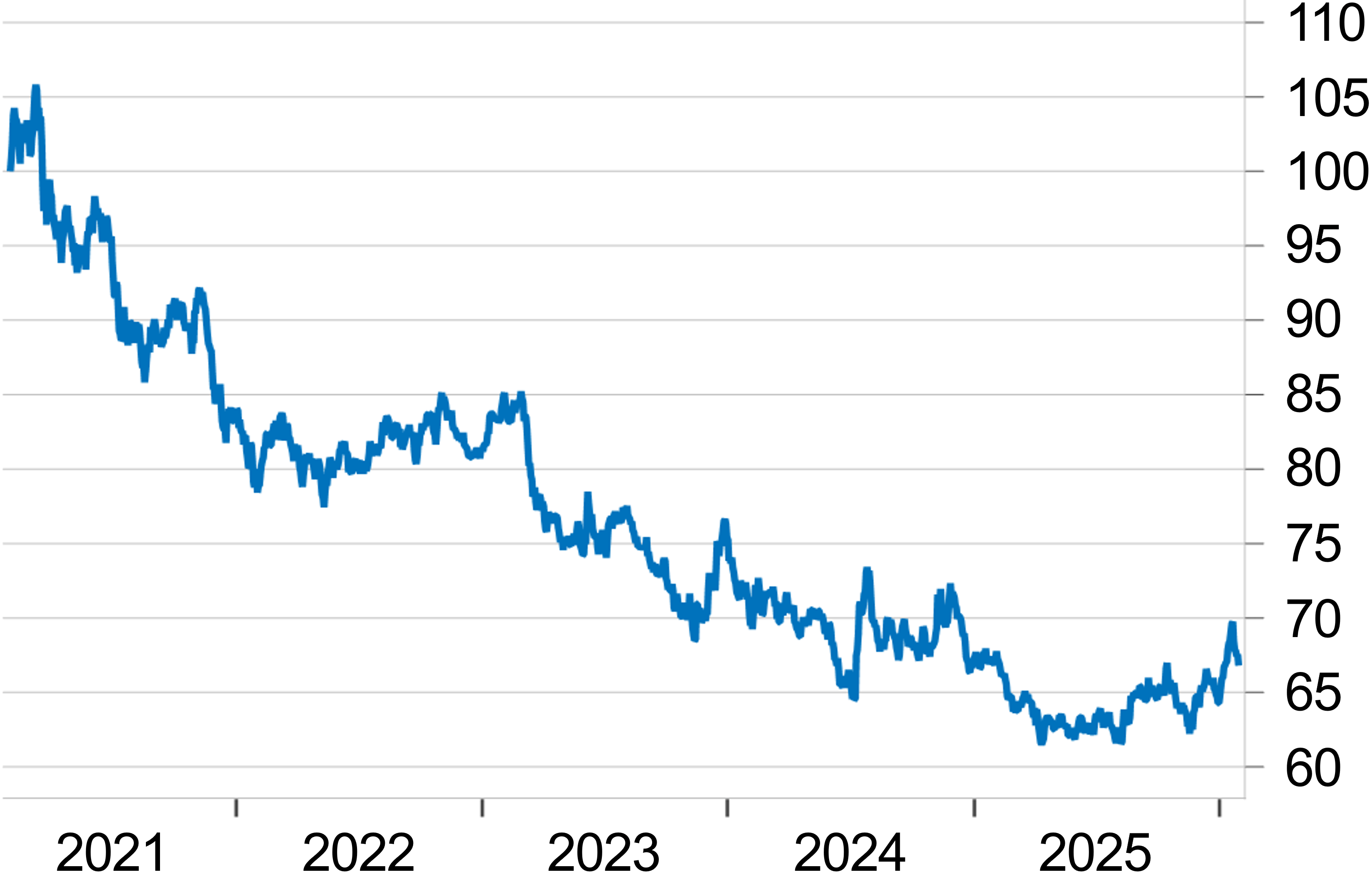
Broadening Rally Kicks Off the New YearU.S. equities began 2026 on solid footing, with January delivering a broad-based advance and a notable shift in market leadership. The S&P 500 rose 1.5%, posting its best month since October, while the Nasdaq rebounded after two consecutive monthly declines. Beneath the surface, performance dispersion remained pronounced. Small caps led decisively, with the Russell 2000 up more than 5% and outperforming large caps by the widest margin since last summer. Leadership rotated further away from crowded mega-cap growth toward cyclicals and value-oriented areas, reinforcing the theme of market broadening that emerged late last year. |
Sector performance reflected this rotation. Energy, Materials, Industrials, and Consumer Staples led the market, supported by higher commodity prices, infrastructure-related optimism, and resilient domestic demand. By contrast, Information Technology and Financials lagged amid a mixed bag of tech earnings, pressure on software valuations, and ongoing regulatory scrutiny across banks and payments-related businesses. Within Technology, dispersion remained extreme, with semiconductors significantly outperforming software as investors leaned into AI infrastructure while reassessing the durability of traditional SaaS models.
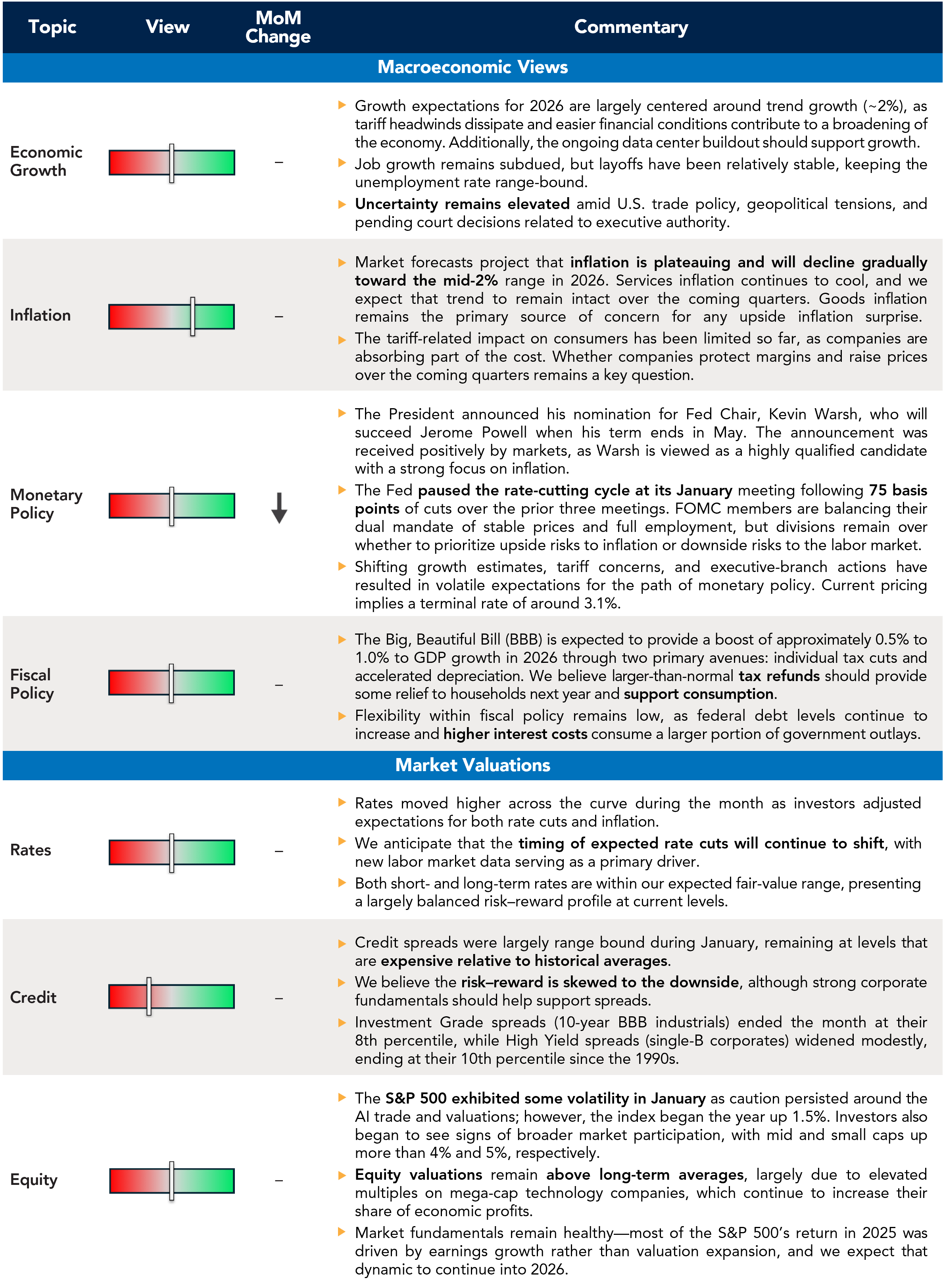
Macro and policy developments added complexity but did little to derail risk appetite. The Fed held rates steady at the January Federal Open Market Committee (FOMC) meeting, as expected, while markets continued to price a gradual easing path later in the year. Late in the month, President Trump nominated former Fed Governor Kevin Warsh as the next Chair, formally closing the succession process. While questions around central bank independence remain a topic of debate, markets treated the announcement as broadly status quo, with policy expectations largely unchanged. Political and geopolitical headlines were otherwise unusually active; however, markets largely looked through the noise, treating volatility as an opportunity rather than a signal of weakening fundamentals.
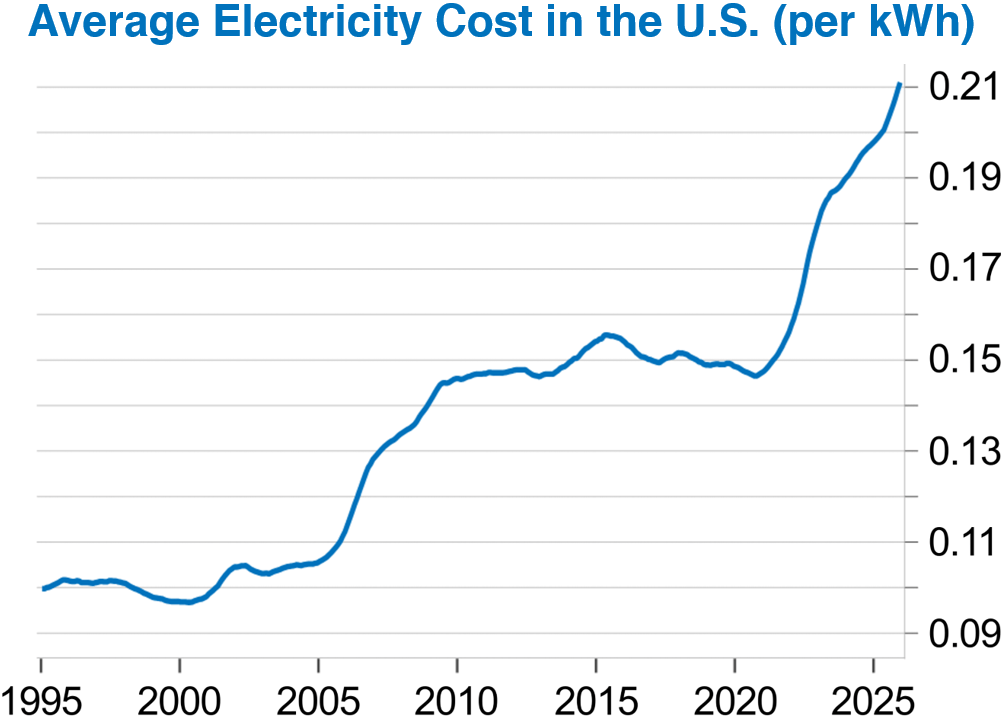
Economic data continued to support a resilient growth backdrop. Labor market indicators improved modestly, inflation cooled at the margin, and service-sector activity strengthened. At the same time, consumer sentiment softened, reflecting ongoing sensitivity to household expenses rather than a deterioration in spending itself. Rising electricity prices have become a more visible contributor to these sentiment dynamics, even as broader economic activity remains firm—a topic we explore further in this month’s Spotlight.
Overall, January reinforced our view that the equity market is transitioning into a more balanced and selective phase. The rotation toward cyclicals and smaller companies, improving earnings breadth, and continued economic resilience are constructive signals for the year ahead. While policy uncertainty and geopolitical risks remain elevated, the market’s ability to absorb these shocks suggests underlying confidence in the growth outlook. We view the start of 2026 as encouraging, with broadening participation creating a healthier foundation for returns, even as dispersion argues for disciplined, fundamentals-driven positioning.
The Road to Recovery for Small Caps?
Small caps have perked up in recent months following years of underperformance.
Russell 2000 Relative to S&P 500
What to Watch
Following 75 basis points of rate cuts to end 2025, the Fed is likely to pause over the next couple of meetings. Nevertheless, investors will continue to monitor incoming inflation data to assess whether additional cuts remain on the table for 2026. Consumer spending and sentiment data will also be important to watch as tax season begins, with larger refunds expected to support consumer health.
|
Monthly Spotlight
Electricity Demand Intensifies
After decades of relative calm, electricity demand in the U.S. is rising rapidly—and consumers are beginning to feel the impact. The growth of AI and data center activity is a significant part of the story, but it is not the only driver. This surge in demand is prompting substantial capital investment by utilities, with implications for bond markets and the broader energy landscape.
For much of the past 25 years, U.S. electricity demand was largely stagnant. Growth slowed in the mid-1990s and then effectively flatlined from roughly 2007 to 2020, despite steady population increases and nearly 30% growth in real GDP. The primary drivers of this stagnation were improvements in energy efficiency and a shift toward a service-based economy, away from energy-intensive manufacturing. During this period, utilities prioritized system reliability, regulatory compliance, and asset replacement over network expansion.
That paradigm has changed. The U.S. power sector is entering its first sustained demand growth cycle in more than two decades. Utility consultant ICF forecasts total U.S. electricity demand to increase by 25% by 2030 relative to 2023 levels. BloombergNEF estimated in December 2025 that U.S. data center power demand could reach 106 GW (gigawatts) by 2035, compared with 25 GW in 2024. This increase is being driven by new data center announcements, many of which exceed 500 MW (megawatts) per facility—enough to power roughly 400,000 U.S. homes on an annual-average basis.
While data centers and AI are the largest contributors—expected to drive roughly half of incremental demand growth over the next five years—other trends are also adding meaningful pressure, albeit with regional variation.
Building electrification, spurred by decarbonization mandates in states such as California and New York, is expected to contribute 15% to 25% of incremental demand growth as businesses and households move away from fossil-fuel-based heating and appliances. Electric vehicles could account for an additional 10% to 20% as adoption accelerates and charging infrastructure expands. Meanwhile, industrial reshoring, the growth of advanced manufacturing, and the electrification of hydraulic fracturing equipment are projected to drive another 10% to 15% of demand growth, concentrated in regions such as PJM (Pennsylvania, Ohio, New Jersey, Maryland, Virginia, Chicago, and Washington, D.C.) and Texas (ERCOT).
This surge in demand is prompting utilities to respond with historic increases in capital spending, most of which is flowing into transmission and distribution. The Edison Electric Institute (EEI), which represents U.S. investor-owned utilities, expects its members to invest $1.1–$1.4 trillion between 2025 and 2029—roughly matching the total spent over the previous decade. Generation investment is also rising but remains uneven and is increasingly driven by independent power producers. This shift is fueling M&A activity, as well as a surprising revival of three nuclear power plants that were deemed uneconomic just a few years ago.
The combination of accelerating demand, sharply higher grid capital expenditures, and rising wholesale prices points to sustained upward pressure on retail electricity rates. That said, efforts are underway to mitigate the impact on consumers. At the federal level, the Administration has urged PJM, the nation’s largest grid operator, to hold dedicated auctions that would require technology firms to finance new power plants and commit to long-term contracts. States are also adopting targeted policies, such as requiring large energy users to cover the cost of the infrastructure they require. Microsoft, for its part, has pledged to do exactly that through its “Community-First AI Infrastructure” initiative. Even so, this dynamic warrants close monitoring, both for its potential effect on household electricity costs and its broader implications for fixed income and equity markets.
Chart sources: BLS and Macrobond.
Current Outlook
Market Data & Performance
As of 01/31/2026
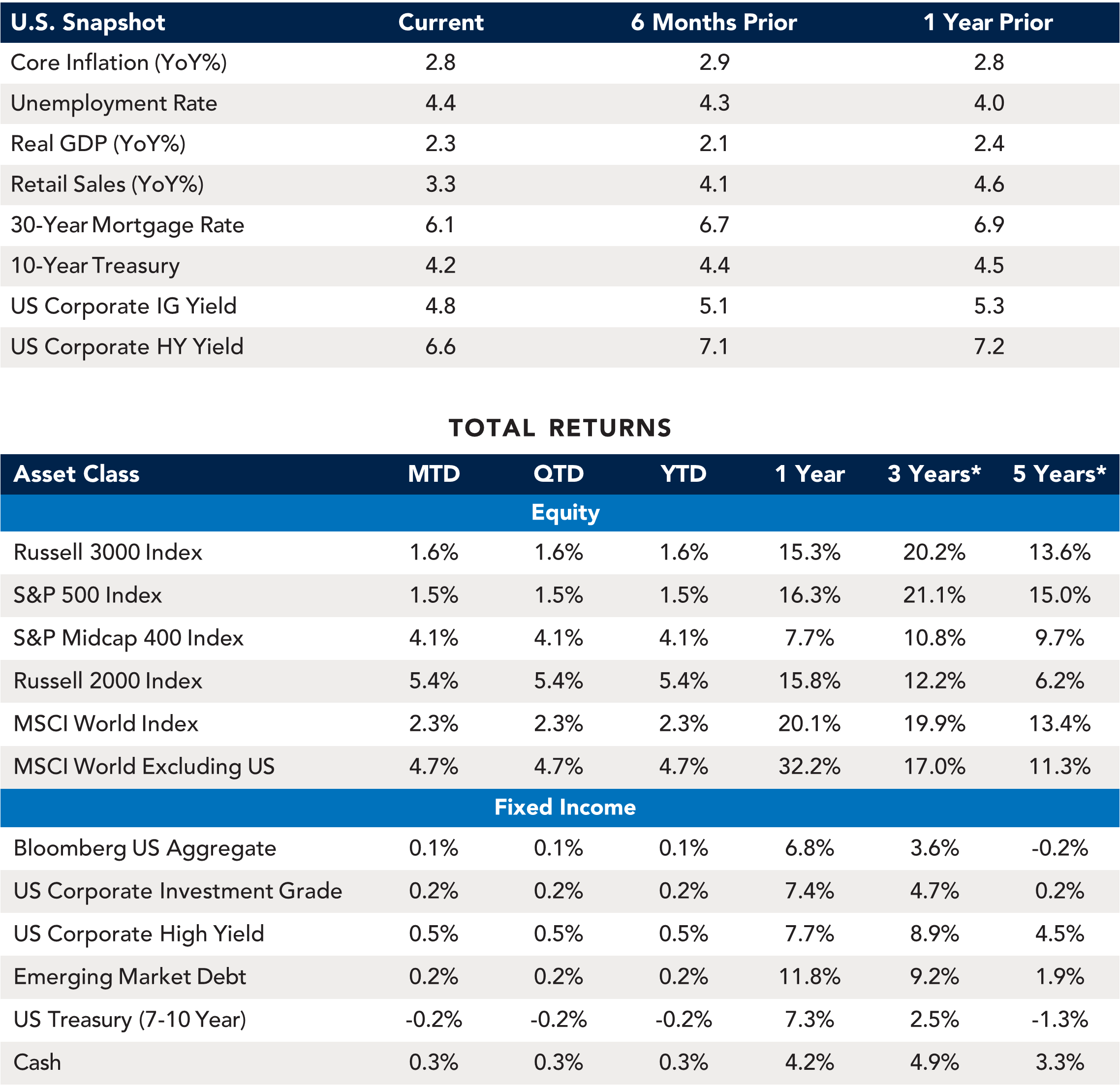
Source: Fort Washington and Bloomberg. *Returns longer than 1 year are annualized. Past performance is not indicative of future results.
Download Monthly Market Pulse – February 2026
Download Monthly Market Pulse – February 2026