





Jerome Powell’s term as Chair of the Federal Reserve (Fed) ends in May 2026, with Kevin Warsh set to take over following his nomination earlier this year. While there was initial uncertainty surrounding his confirmation due to the probe into Powell related to Fed construction costs, that overhang cleared in April, paving the way for a leadership transition. Given the Fed’s broad influence across the U.S. economy, it is worth evaluating how Warsh may shape its direction. We examine his approach and potential impact across three key levers: policy rates, the balance sheet, and forward guidance. It is also important to note that the Chair does not act unilaterally. Monetary policy decisions are made by a 19-member committee (12 voting members), meaning Warsh will need to build consensus around any shift in direction.
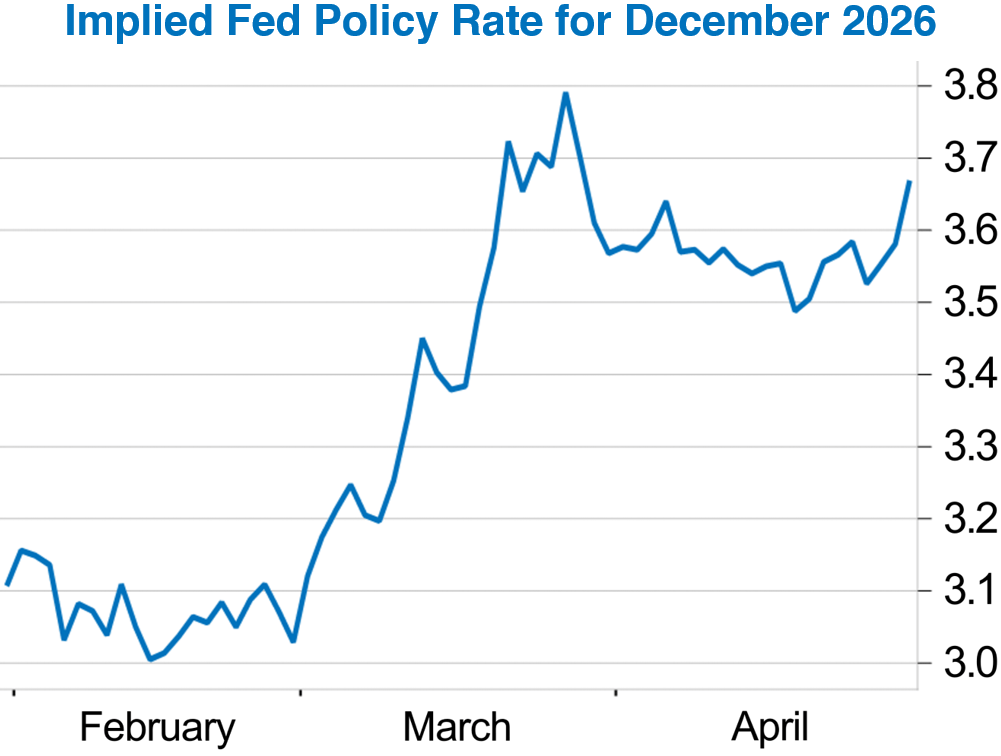
On policy rates, Warsh has recently leaned more dovish, signaling openness to lower rates. His argument appears grounded in the view that the Fed has been overly backward-looking, particularly in its assessment of inflation. He has pointed to artificial intelligence as a potential driver of productivity gains, which could allow for stronger growth without corresponding inflationary pressure. If realized, that would create room for rate cuts. However, this view faces a near-term challenge: the recent rise in inflation driven by higher energy prices. This adds complexity to the case for easing and would make it difficult to secure majority support for a cut.
Beyond rates, the balance sheet represents a second key lever. Warsh has suggested that the Fed has become too reliant on unconventional tools and may have overstepped aspects of its mandate in recent years. This points to a preference for a smaller balance sheet over time. Any meaningful reduction, however, would likely be gradual, a view Warsh himself has acknowledged. Even so, a shift in this direction could have important market implications, particularly by putting upward pressure on longer-term interest rates as the Fed steps back from being a large buyer of Treasuries and mortgage-backed securities.
Finally, on forward guidance, Warsh has been critical of the Fed’s heavy use of signaling around the future path of policy. He appears to favor a more restrained approach, potentially reducing the emphasis on detailed communication about where policy may be headed. While changes to rates or the balance sheet would likely take time, adjustments to forward guidance could occur more quickly, given that the Chair holds a press conference after each Federal Open Market Committee (FOMC) decision to discuss the decision and answer questions.
Taken together, these views suggest that a transition from Powell to Warsh is not likely to materially alter the near-term path of monetary policy—particularly given current inflation dynamics and the committee-based structure of the Fed—but differences could emerge over time. One unique dynamic to watch in this transition is that Jerome Powell will remain on the Board of Governors after stepping down as Chair. While uncommon, recent legal challenges to the Fed’s independence prompted this decision, and we believe he will remain on the Board through the Inspector General’s report, which could take a few months.
Chart sources: Bloomberg and Macrobond.Download New Fed Chair Finally Set to Take Control
Download New Fed Chair Finally Set to Take Control