Mutual funds are popular investment securities used by many types of investors, including beginners and financial professionals. But how well do these investments fit your needs?
Learn the basics, including how these funds operate, the different types available, and how to select options that align with your portfolio.
What Are Mutual Funds?
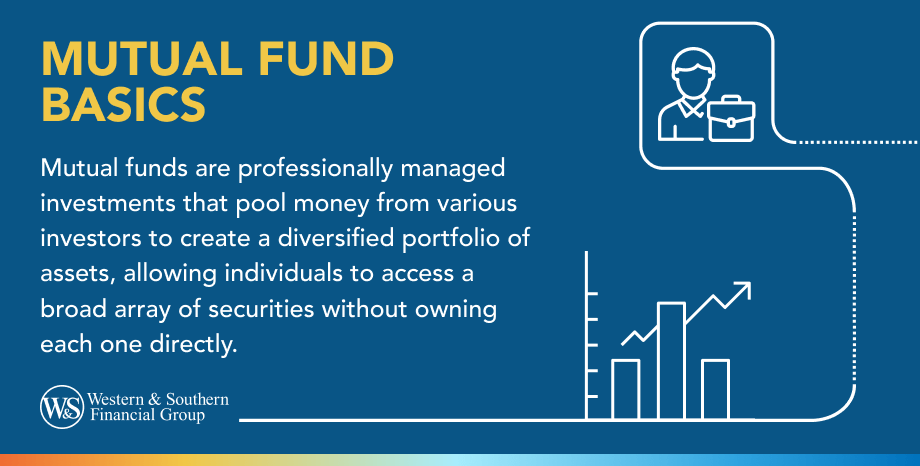
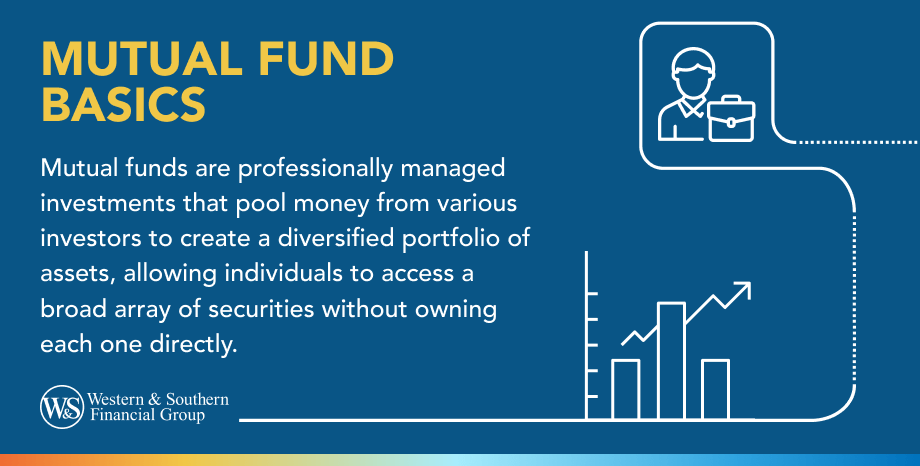
Mutual funds are investment vehicles that pool money from multiple investors to build a diversified portfolio of securities, such as stocks, bonds, and other financial instruments. These funds may be actively managed by professional fund managers or investment firms.
They can provide access to a wide range of dozens or even hundreds of investment assets, all packaged within a single security. This structure may appeal to investors who are just getting started and prefer a professional money manager to select holdings rather than handling research and trading on their own.
How Do Mutual Funds Work?
When you invest in a mutual fund, you purchase shares or units of the fund. Your money is combined with that of other investors. The fund manager then uses the pooled assets to buy investment securities, such as stocks or bonds, based on the fund’s stated objectives and strategy.
This structure allows investors with smaller amounts of money to gain exposure to a diversified portfolio that could be difficult to build independently. Because these funds invest across many securities, they can help spread risk. By holding a range of investments, the fund seeks to reduce the impact of poor performance from any one holding. However, diversification does not guarantee a profit or prevent losses in a declining market.
Mutual funds also vary in risk level, expense ratio, and strategy. It is important to understand the important mutual fund terms, compare available options, and select funds that align with your goals and comfort level with risk.
How Do Mutual Funds Compare to Stocks?
Mutual funds and stocks are both investment options, but they differ in several ways. Some investors may prefer the built-in diversification and professional management offered by funds, while others prefer the direct ownership and control that comes with individual stocks. The right choice depends on your goals, risk tolerance, available time, and preference for hands-on investing.
Here are some of the key differences between mutual funds and stocks.
Diversification
Mutual funds offer built-in diversification by pooling money to create a portfolio of various securities. This approach can reduce the risk tied to a single company. Stocks represent ownership in one company, and performance depends entirely on that company’s results, which may increase risk.
Professional Management
Mutual funds are managed by professionals who make investment decisions for shareholders. With individual stocks, you are responsible for researching and selecting companies.
Accessibility
Many funds allow you to start investing with relatively modest amounts of money. Building a portfolio of individual stocks may require more capital to achieve similar diversification.
Liquidity
Most funds provide daily liquidity. You can buy or sell shares at the fund’s net asset value at the end of each business day. Stocks trade throughout market hours, allowing transactions at current market prices during the day.
Risk & Return
Both options involve risk. Funds can be structured to target different levels of risk depending on their strategy. Individual stocks may offer higher return potential, but they also tend to carry greater volatility compared to a diversified fund.
Control & Flexibility
Owning individual stocks gives you direct control over what you buy, sell, or hold. With funds, you rely on the manager’s decisions, and customization is limited to selecting among available fund options.
What Are the Different Types of Mutual Funds?
There are many types of mutual funds, each with its own objective, asset focus, and risk profile. Here are several common categories.
Equity Funds or Stock Funds
These funds primarily invest in stocks. They may focus on large-cap, mid-cap, small-cap, growth, value, specific sectors, or international markets. Their objectives are typically long-term growth.
Bond Funds or Fixed-Income Funds
Bond funds invest in debt securities such as government, corporate, or municipal bonds. They aim to generate income through interest payments and may also provide some capital growth. Credit quality, duration, and yield can vary.
Money Market Funds
Money market funds invest in short-term securities such as Treasury bills, commercial paper, certificates of deposit, and short-term bonds. Their goal is capital preservation with a modest level of income.
Hybrid Funds
Also known as balanced funds or asset allocation funds, hybrid funds invest in a mix of stocks, bonds, and sometimes cash. Allocations may remain fixed or shift based on market conditions. The objective is to balance growth and income while managing risk.
Index Funds
Index funds seek to match the performance of a specific market index, such as the S&P 500. Because they track an index rather than rely on active selection, they often have lower expense ratios.
Sector Funds
Sector funds concentrate investments in a specific area of the economy, such as technology, health care, energy, or financial services. They offer focused exposure but may involve greater volatility due to concentration.
International or Global Funds
These funds invest outside an investor’s home country. International funds focus on a specific region or country, while global funds invest across multiple regions.
Target-Date Funds
Also known as target retirement funds, target-date funds are designed around a specific retirement year. They automatically adjust their asset mix over time, typically becoming more conservative as the target year approaches. The principal value of the funds is not guaranteed at any time, including at or after the target date.
What Are Some Benefits & Risks of Mutual Funds?
Mutual funds offer advantages such as diversification and professional management. However, they also carry risks and limitations.
Benefits of Mutual Funds
- Diversification: Funds allow investors to hold a broad mix of securities without purchasing each one individually. This approach can reduce the impact of a single investment’s poor performance.
- Professional Management: Experienced managers research and select securities on behalf of investors.
- Lower Investment Minimums: Many funds have investment minimums that make diversified investing accessible to individuals with smaller account balances.
- Convenience: Funds handle recordkeeping, tax reporting, and dividend distributions, which can simplify the investing process.
Risks of Mutual Funds
- Market Risk: Fund values fluctuate with the market. A broad downturn can lower the value of fund holdings.
- Manager Risk: Performance depends on the manager’s decisions. Poor judgment or failure to adapt to market changes can affect returns.
- Fees and Expenses: Funds charge management fees and other costs. These are reflected in the expense ratio and can reduce overall returns.
Lack of Control: Investors do not choose individual securities within the fund. - Tax Implications: Distributions such as dividends and capital gains may create tax liability, even if you do not sell your shares.
- Potential for Underperformance: Some funds may lag behind their benchmarks due to strategy, market conditions, or management decisions.
How to Pick a Mutual Fund: Step-by-Step
Choosing a mutual fund requires thoughtful evaluation of your goals and preferences.
1. Set Your Investment Goals
Clearly define your investment objectives. Are you investing for retirement, saving for a specific goal or seeking regular income? Understanding your goals will guide your fund selection process.
2. Assess Your Risk Tolerance
Evaluate your comfort level with risk. Determine if you are more conservative, moderate or aggressive in your investment approach. This will help you choose a mutual fund that aligns with your risk tolerance.
3. Determine Your Time Horizon
Consider your investment time frame. Are you investing for the short, medium or long term? Longer time horizons generally allow for a greater degree of volatility and potential for higher returns.
4. Research & Compare Funds
Conduct thorough research on different mutual funds. Look at their investment objectives, historical performance, expense ratios, fund manager track record and risk profiles. Analyze how the funds have performed during various market cycles. Bear in mind that past performance is never a guarantee of future results.
5. Review Fees & Expenses
Assess the fees and expenses associated with the mutual funds you are considering. Look at the expense ratio, which includes management fees and other costs. Lower expense ratios are generally more favorable for investors.
6. Understand the Investment Strategy
Evaluate the fund's investment strategy and determine if it aligns with your investment goals and risk tolerance. Consider factors such as asset allocation, sector focus and investment style (e.g., growth, value or blend).
7. Evaluate Management
Evaluate the experience and track record of the fund manager or management team. Look for consistency in their investment approach and how they have managed the fund through different market environments.
8. Review Fund Holdings
Examine the fund's holdings to gain insight into the types of securities it invests in. Ensure that the fund's portfolio composition matches your investment preferences and aligns with your desired level of diversification.
9. Consider Fund Size & Liquidity
Assess the size of the mutual fund and its liquidity. Larger funds, as measured by assets under management, may be more stable and have more resources, while smaller funds can be more nimble. Additionally, consider the fund's redemption policy and how easily you can buy or sell shares.
10. Seek Professional Guidance
If you feel overwhelmed or uncertain, consider consulting with an investment professional who can provide personalized guidance based on your individual circumstances and investment goals.
Bottom Line
Understanding how mutual funds work and how to evaluate them can help you make informed decisions. Review each fund’s objective, performance history, expense ratio, and risk profile. Consider your own goals, timeline, and tolerance for market fluctuations before investing.
Consulting with a financial professional can provide additional insight as you evaluate options for your portfolio.