Should I Retire at 62? Key Factors to Consider
Retiring at 62, the earliest age you can claim Social Security retirement benefits, is a goal for many Americans. The idea of leaving work early and having more time for hobbies, travel, and family can be appealing. However, deciding to retire is a complex choice that depends on your finances, health, and personal goals.
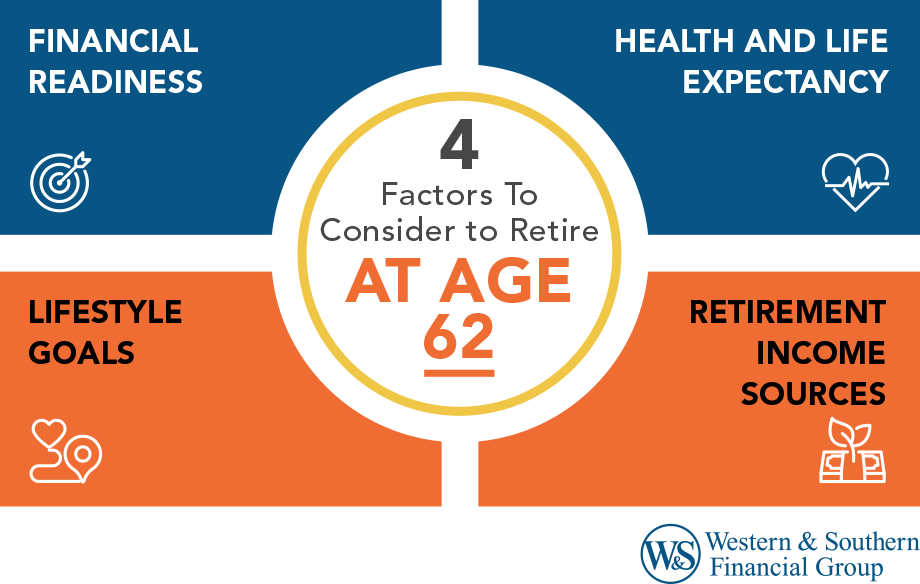
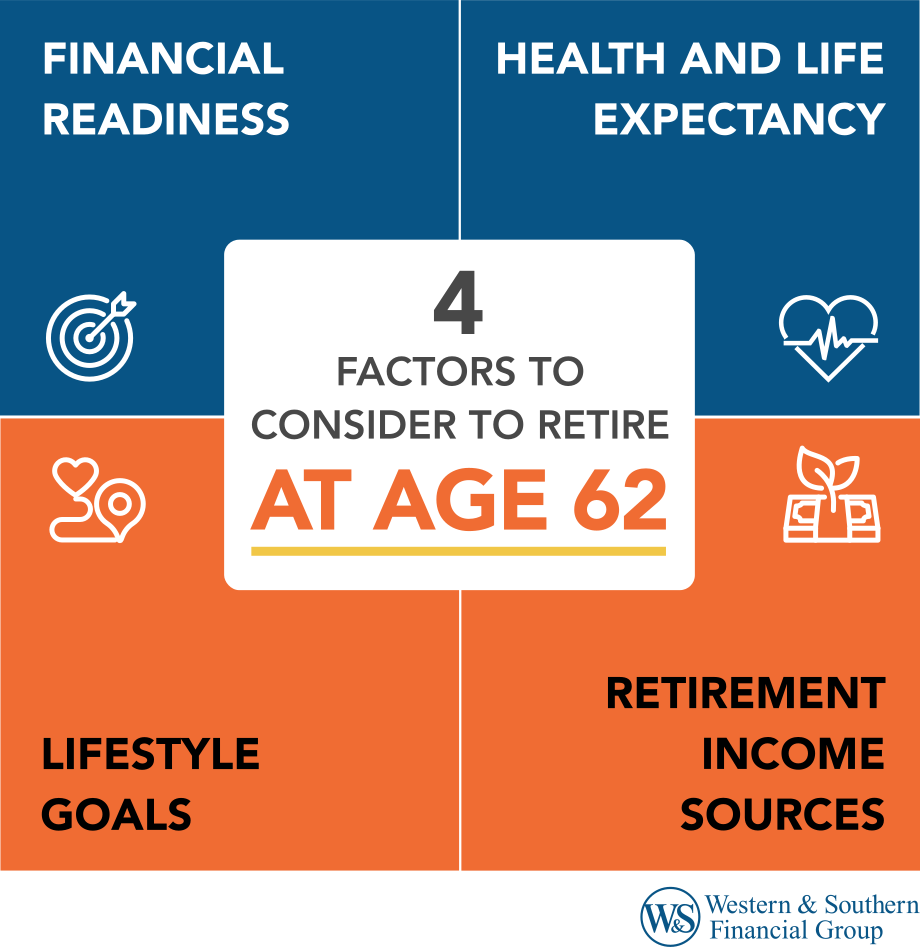
Financial Readiness
Financial readiness is one of the most important factors when deciding if you can retire at 62. Consider the following:
- Debt and Expenses: Review and minimize your debt before retiring so your monthly expenses are easier to manage on a fixed income.
- Retirement Savings: Make sure you have enough saved in 401(k)s, IRAs, and other accounts to support your lifestyle for 30 or more years. The earlier you retire, the longer your savings need to last .
- Pension or Other Income: A pension or other steady income sources can help make up for lower Social Security benefits and give you more flexibility.
- Healthcare Costs: If you retire before age 65, you will need to pay for health insurance until Medicare begins. This can be a major expense.
- Housing Costs: Housing is often one of the largest expenses in retirement. Consider your mortgage or rent, maintenance, taxes, and utilities. Downsizing or moving to a lower-cost area may help reduce expenses.
- Inflation: Rising prices can reduce your purchasing power over time. Your savings and investments should keep up with increasing costs.
- Investment Returns: Your investment performance affects how long your money will last. A balanced portfolio can help support growth while managing risk.
Health and Life Expectancy
Your health and expected lifespan also affect your decision to retire at 62.
- Health Status: If you have ongoing health issues or expect a shorter lifespan, retiring earlier may give you more time to enjoy life. If you are in good health and may live into your 80s or 90s, working longer could help stretch your savings.
- Expected Lifespan: Planning for a longer retirement can help reduce the risk of running out of money later in life.
Lifestyle Goals
Think about what you want your retirement to look like and whether retiring at 62 supports those plans. Whether extravagant or modest, your retirement lifestyle will affect how much money you need. Ask yourself:
- Do you have hobbies or travel plans you want to pursue while still young and active?
- Are you prepared for the potential loss of social connections and sense of purpose that work can provide?
The decision to retire at 62 depends on your personal situation. Take time to review your finances, think about your goals, and weigh the trade-offs. Speaking with a financial professional can help you make a more informed decision. With thoughtful preparation, retiring at 62 may be a realistic option for some people.
What Are the Average Retirement Savings at 62?
Understanding the average retirement savings can give you a clearer sense of where you stand as you plan to retire at 62. Experts often suggest saving about eight times your annual income by this age.1
If you earn $75,000 a year, you may aim to have between $600,000 and $750,000 saved. However, recent data shows that Americans aged 60 to 64 have average savings of about $200,000 to $300,000. This gap shows that many people may be behind their goals.
Your needs will vary based on your lifestyle, health, and income sources such as Social Security or pensions. If your savings are lower than expected, you still have options. You may choose to work longer or adjust your investment approach. The key is to build a strategy that aligns with your retirement goals and supports your long-term needs.
How to Calculate Your Future Retirement Expenses
One of the most important steps in retirement planning is estimating your future expenses. It is hard to know how much to save or whether your retirement income will cover your needs without a clear view of your expected costs. While predicting expenses years in advance is not exact, there are ways to build a reasonable estimate.
Start with Your Current Budget
Your current spending is a strong starting point for estimating retirement expenses. Track your expenses for a few months to see where your money goes. Then group your spending into categories like:
- Housing (mortgage or rent, property taxes, insurance, maintenance)
- Utilities (electricity, gas, water, phone, internet)
- Food (groceries, dining out)
- Transportation (car payments, fuel, maintenance, public transit)
- Insurance (health, life, auto, long-term care)
- Healthcare (out-of-pocket costs, prescriptions, dental, vision)
- Personal expenses (clothing, haircuts, hobbies, entertainment)
- Travel and gifts
- Debt payments (student loans, credit cards)
- Savings and investments
Adjust for Retirement Lifestyle Changes
Next, think about how your expenses may change in retirement:
- Remove Certain Costs: Expenses like retirement contributions and work-related costs, such as commuting or work clothes, may go away.
- Account for Inflation: Some costs may rise over time, especially healthcare. A common estimate is 2% to 3% per year.
- Include Lifestyle Goals: If you plan to travel or take on new hobbies, include those costs in your estimate.
- Think About Relocation: Moving to a smaller home or a lower-cost area may reduce your expenses.
Adjust Healthcare Costs
Healthcare is often one of the largest expenses in retirement. If you retire at 62, you may need to pay for coverage until Medicare begins at age 65. Even after enrolling in Medicare, you will still have premiums, deductibles, and other out-of-pocket costs.2
Don't Forget Taxes
Some of your retirement income will likely go toward taxes:
- Consider Tax-Deductible Expenses: Certain costs, such as charitable donations or some medical expenses, may reduce your taxable income.
- Review Account Withdrawals: Withdrawals from traditional 401(k)s and IRAs are usually taxed as income, while Roth withdrawals are often tax-free if rules are met.
After you estimate your expenses, add them together to get a general idea of how much you may need in retirement. This estimate is a starting point. Your needs may change over time, so review your numbers regularly and adjust as needed.
Use a Retirement Expense Calculator
To help project future costs, consider using our retirement cost of living calculator . This type of tool compares your current cash flow with your projected income and expenses in retirement. After entering your details, the results can show changes in income, expenses, and overall cash flow.
Add Up All Your Potential Income Sources
To determine how much you need to retire at 62, calculate all potential income sources, such as Social Security, retirement accounts, pensions, savings, annuities, and possible part-time work. This can help give you a clear picture of what may be available to support your retirement.
Social Security Benefits
When you retire at 62, your monthly Social Security benefits will be lower than if you wait until full retirement age.3 Check your estimated benefits online and plan for additional income sources, since Social Security often covers about 40% of pre-retirement income.
Retirement Accounts
Consider how much you can withdraw from your 401(k) and IRA each year without running out of savings. The 4% rule can serve as a general guideline, but you may need to adjust it based on your situation and market conditions.4
Pension Income
Review your pension plan before retiring to understand your payout options, including whether it offers survivor benefits. A pension can provide steady income based on your salary and years of service.
Savings and Cash Reserves
Make sure you have enough savings and cash reserves to cover 6 to 12 months of living expenses. This can help give you flexibility if unexpected costs come up or if other income sources fall short.
Annuities
Annuities can provide a steady income in retirement and offer tax-deferred growth. It is important to understand the different types and how they may fit into your overall approach.
Part-Time Work
Consider part-time work in retirement to supplement your income and delay withdrawals from your retirement accounts. This can help extend your savings and provide extra funds for daily expenses or leisure.
Stress Test Your Budget
Once you create a retirement budget, review whether your expected income sources, such as Social Security, pensions, and retirement account withdrawals, will cover your estimated annual expenses:
- Use a retirement calculator to estimate your account balances under different contribution and return scenarios.
- If there is a gap, you may need to save more, work longer, or adjust your lifestyle.
By reviewing your current and future expenses, accounting for lifestyle changes and taxes, and testing your budget, you can build a more realistic estimate of how much you may need to retire.
Keep in mind that retirement planning is an ongoing process. It is important to review and adjust your estimates over time as your situation changes.
Tips for Retiring Comfortably at 62
Many people aim to retire at 62, but reaching that goal takes preparation. Here are some practical tips to help you move toward that goal:
- Maximize Social Security Benefits: Consider delaying benefits to increase your monthly income. If you start at 62, build a careful budget to manage the lower payments.
- Review Your Retirement Accounts: Check your 401(k), IRA, and other accounts to see if you are on track. You may need to work longer or adjust your investment approach to increase savings.
- Consider Healthcare Costs: Since Medicare begins at 65, plan for coverage before then. Look into private insurance or a spouse’s plan, and budget for premiums and out-of-pocket costs.
- Plan for Life Expectancy: Make sure your savings can last 30 years or more. Consider inflation and adjust your investment approach to help maintain your buying power.
- Diversify Your Income Sources: You can add to your income through part-time work, rental income, or annuities.
- Reduce Debt Before Retiring: Focus on paying off high-interest debt, such as credit cards and personal loans. This can improve your flexibility and help your savings last longer.
- Create a Retirement Budget: Build a detailed budget based on your expected income and expenses. Review it regularly to stay on track.
- Consult a Financial Professional: A financial professional can help you build a strategy that includes tax-efficient withdrawals, suitable investments, and long-term goals.
Retiring at 62 is possible with careful preparation and informed decisions. By estimating your expenses, reviewing your savings, and planning for healthcare costs, you can build a strategy that supports your retirement lifestyle.
Conclusion
Retiring at 62 may be a good option if your finances are stable, you have health concerns, or you are ready to step away from work. However, if you are able to keep working and delay benefits, you may have more income later in retirement.
Speaking with a financial professional can help you weigh your options and choose an approach that fits your situation.
Sources
- Here's how much money you should have saved at every age. https://www.cnbc.com/select/savings-by-age.
- Estimate my Medicare eligibility & premium. https://www.medicare.gov/eligibilitypremiumcalc.
- Starting Your Retirement Benefits Early. https://www.ssa.gov/benefits/retirement/planner/agereduction.html.
- What is the 4% rule in retirement? https://www.citizensbank.com/learning/four-percent-rule-of-retirement.aspx.