As you think about retirement, you may wonder what the full retirement age for Social Security is. You are not alone. Knowing when you can claim your Social Security benefit plays a role in retirement timing decisions. Because everyone’s situation and life expectancy differ, it also helps to understand how Social Security rules apply to you.
What Is the Full Retirement Age for Social Security?
The age to receive full Social Security retirement benefits depends on the year you were born.1
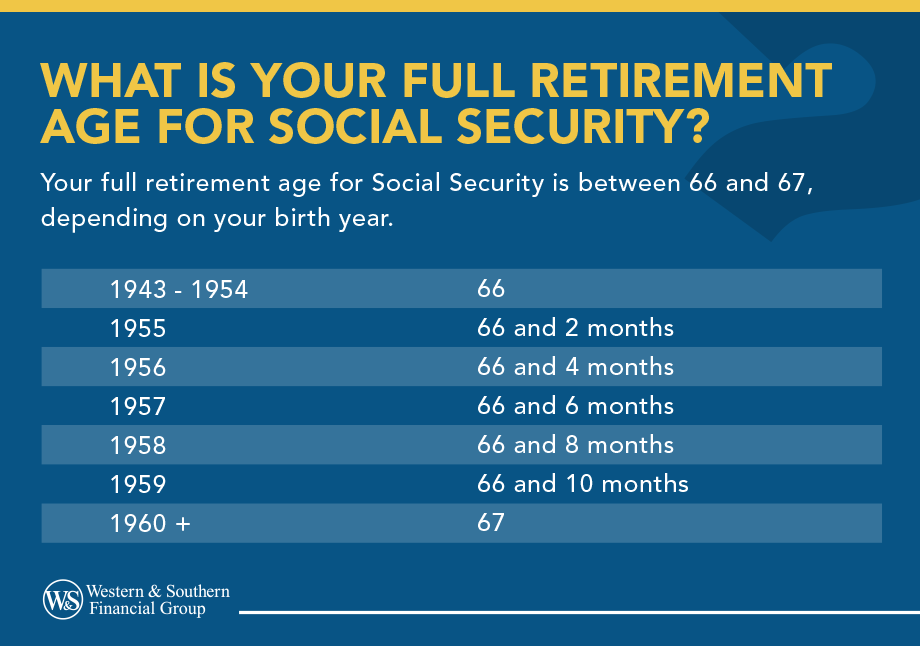
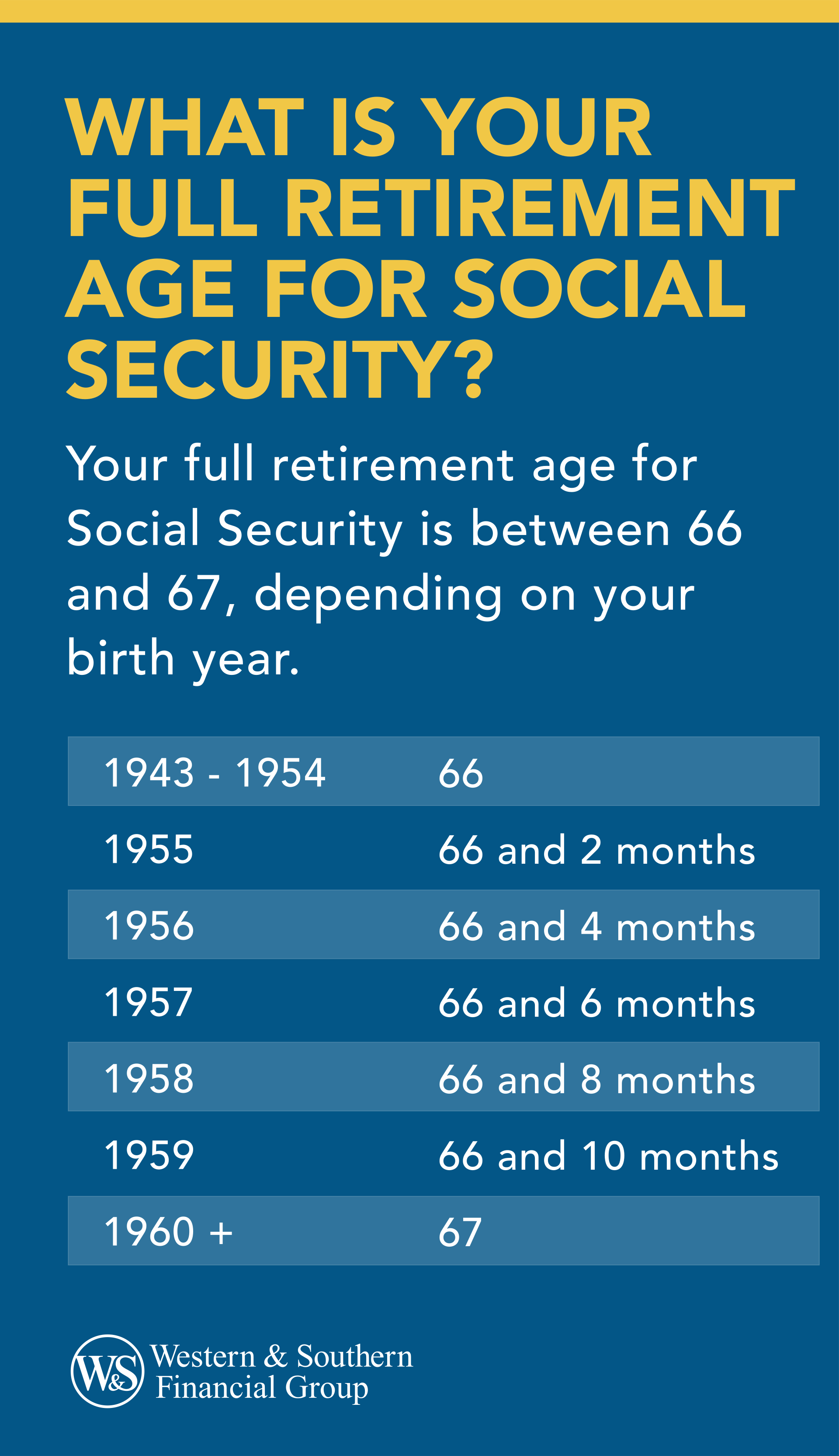
For those born before 1943, the full retirement age is 65. But for people born from 1943 to 1954, the full retirement age is 66. If you were born from 1955 to 1959, the full retirement age gradually increases from 66 to almost 67. For anyone born in 1960 or after, full retirement benefits are payable at age 67.
When Can You Claim Social Security Benefits?
Your benefit amount increases the longer you wait to claim, up to a certain age. There are three main claiming options:
- Early Retirement Age: You can claim benefits as early as age 62. If you do, your monthly benefit will be reduced compared to claiming at full retirement age.
- Full Retirement Age: This is when you can receive your full benefit amount, based on your birth year.
- Delayed Retirement Age: Your benefit increases by 8 percent for each year you delay claiming after full retirement age, up to age 70. After age 70, there is no added benefit to waiting.
What Is the Right Time to Claim Social Security Benefits?
For some individuals, it makes sense to wait until full retirement age to claim Social Security benefits. Others may choose to claim early or delay benefits after reaching full retirement age.
There are multiple factors that can help you determine the right timing to claim Social Security benefits:
- Work Status: If you plan to work up to or beyond retirement age, you may not need to claim benefits early. Depending on your age and income, benefits may be taxed or temporarily reduced if you continue working.
- Military Status: Retired military service members can receive both a military pension and Social Security benefits. This may allow some individuals to delay claiming Social Security.
- Marital Status: Based on factors such as each spouse’s earnings and whether dependents live in the household, some individuals may benefit from claiming spousal benefits.2
- State of Residence: State taxes can affect how much of your benefit you keep. Most states do not tax Social Security benefits.3 The following states tax some or all Social Security benefits:
- Colorado
- Connecticut
- Minnesota
- Montana
- New Mexico
- Rhode Island
- Utah
- Vermont
- Employer-Sponsored Benefits: If you are eligible for a pension, this additional income may influence when you choose to claim Social Security.
- Retirement Savings: Your decision should be viewed alongside your overall savings. For example, a strong 401(k) or individual retirement account balance may support delaying benefits.
- Health and Life Expectancy: If you expect a longer lifespan, delaying benefits until full retirement age or later can increase your monthly benefit and help extend savings over time.
The Bottom Line
The full retirement age for Social Security benefits depends on the year you were born, but it ranges from age 65 to age 67. Some people choose early benefits at age 62 while others wait until after full retirement age (up to age 70) when benefits are higher.
Each person's case is unique, and retirement planning includes many different variables. For this reason, working with a financial professional can help to make the right plan that works best for your situation.
Plan for your full retirement age and optimize your Social Security benefits. Start Your Free Plan
Sources
- See your Full Retirement Age (FRA). https://www.ssa.gov/retirement/full-retirement-age.
- Who can get Family benefits. https://www.ssa.gov/family/eligibility.
- States That Tax Social Security Benefits in 2026. https://www.kiplinger.com/taxes/states-that-tax-social-security-benefits.