
Why Is It Important To Have a Will?
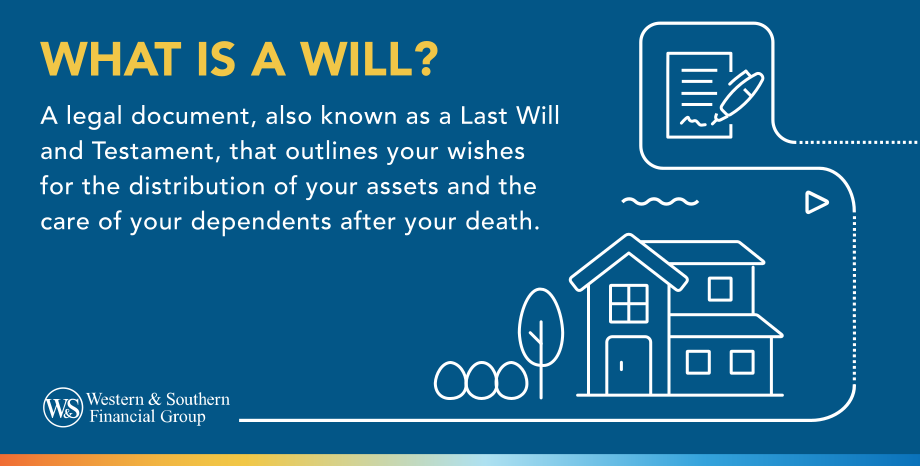
A will is a core estate planning document that outlines how your personal and financial matters should be handled after you pass away.1 It gives clear direction and can simplify decisions for your loved ones.
Here are some key benefits:
- Asset distribution: A will explains how you want your property and assets divided. Without one, state laws decide, which may not match your wishes.
- Final wishes: It allows you to share your preferences so your loved ones understand what you want.
- Guardianship of minor children: If you have children under 18, you can name a trusted guardian to care for them.
- Reducing family disputes: A will can help prevent family members' conflicts by outlining your exact wishes, thereby minimizing disputes over inheritance or disinheritance.
- Speeding up probate: A will gives the court clear direction, which can make the process faster and less costly.
- Protecting assets: It can help direct assets to your chosen beneficiaries instead of leaving them exposed to claims against your estate.
- Tax considerations: A will can help address potential tax impacts for your heirs.
- Charitable contributions: You can include donations to causes you care about as part of your legacy.
Who Should Have a Will?
Anyone with assets or dependents should consider having a legal will. This includes:
- People with minor children: Name a guardian to care for them if something happens to you.
- Married individuals or those in a civil union: A will can name your spouse or partner as a beneficiary, or someone else if you choose.
- People with assets: This includes a home, car, bank accounts, or investment accounts. A will helps guide how these are distributed.
- Adults over 65: As you age, having a will becomes more important due to increased likelihood of end-of-life planning needs.
- Families with special needs dependents: A will can help outline care arrangements.
- Those concerned about probate: A will can help streamline the probate process and reduce complications.
- Anyone who wants to state final wishes: This may include funeral preferences or who should receive specific personal items.
Even if your situation seems simple, having a will in place can provide clear direction for those handling your affairs.
The Different Types of Wills
There are various types of wills, each with specific features and legal stipulations. Here's a brief overview of the different types:
- Simple wills: Basic documents that outline how assets are distributed. They may also name a guardian for minor children.
- Testamentary trust wills: Create a trust that takes effect after death. These are often used to manage assets for minor beneficiaries.
- Living wills: Not a traditional will. A living will outlines your preferences for medical care if you become unable to make decisions.
- Joint wills: A single document created by two people, often spouses. It states that assets pass to the surviving spouse, then to a third party after the second death.
- Mirror wills: Also called reciprocal wills. These are two separate wills with nearly identical terms, typically created by spouses.
- Mutual wills: Similar to mirror wills, but include a binding agreement that prevents changes without both parties’ consent.
- Pour-over wills: Designed to transfer all remaining assets to a trust upon death.
- Holographic wills: Handwritten and signed by the person creating the will. These often lack witnesses and may be more likely to face legal challenges.
- Nuncupative wills: Also known as oral wills. These are spoken in front of witnesses but are limited in scope and not accepted in all states.
- Deathbed wills: Created during a person’s final moments. These are often difficult to validate and may lead to complications.
- Electronic wills: Created and signed digitally. Not all states recognize them as valid.
- Digital wills: Focus on managing online accounts and digital assets after death. These are typically used alongside a traditional will.
Each type of will serves a different purpose and comes with specific legal requirements. Choosing the right one depends on your situation and the laws in your state.
What Is the Difference Between a Will and a Trust?
Wills and trusts are both used to transfer assets to beneficiaries, but they work in different ways.
A will is a legal document that explains how you want your assets distributed after your death. It can also name an executor to manage your estate and designate guardians for minor children.
A trust is a legal arrangement where a trustee manages assets on behalf of beneficiaries. Different types of trusts follow specific rules depending on the type and are often used to manage how and when assets are distributed.
Essential Components Of a Will
A will includes several key parts that make it legally valid. These elements help make sure your instructions are clear, enforceable, and reflect your wishes:
- Testator: The testator is the person creating the will. This is where you outline how your assets should be distributed and how your dependents should be cared for after your death.
- Beneficiaries: Beneficiaries are the people or entities who will receive your assets. Your will should clearly name each beneficiary and state what they will inherit.
- Executor: The executor carries out the terms of your will. This includes managing your estate, paying debts and taxes, and distributing assets. Choose someone responsible and capable of handling these duties.
- Witnesses: Witnesses sign the will to confirm its validity. They should be present when you sign and confirm that you are of sound mind and acting voluntarily. The number of witnesses required depends on state law.
- Signatures: The will must be signed and dated by you and your witnesses. You should use your legal signature, and witnesses typically include their names and addresses.
- Declaration: This statement appears at the beginning of the will. It identifies you, confirms your age and residence, and states that the document is your last will and testament.
- Revocation Clause: This clause states that the will replaces any prior wills or codicils you created.
- Disposition of Assets: This section explains how your assets will be divided. It should clearly outline what each beneficiary will receive.
- Guardianship Provisions (if applicable): If you have minor children, this section names a guardian to care for them. It should also outline the guardian’s responsibilities.
- Special Instructions: This section includes any additional requests, such as funeral arrangements, care for pets, or specific gifts of personal items.
- Attestation Clause: This is a statement signed by the witnesses confirming they observed you sign the will, that you were of sound mind, and that they signed as witnesses.
While these components form the foundation of a will, it may help to work with an estate planning attorney to confirm your document meets legal requirements and reflects your situation.
Steps to Creating a Will
Creating a will helps outline how your assets should be distributed and who will handle your affairs. While the process may seem complex at first, it can be broken down into manageable steps.
Step 1: Choose the Type of Will
Decide which type fits your situation. Options may include a simple will, a testamentary trust will, or a joint will. You can also consider adding a no-contest clause to help discourage disputes.
Step 2: Take Inventory of Your Assets
List everything you own, such as:
- Real estate
- Bank accounts
- Investments
- Personal valuables
Step 3: Identify Your Beneficiaries
Decide who will receive your assets. This may include:
- Primary beneficiaries
- Contingent beneficiaries, in case primary choices are unable to inherit
Step 4: Select an Executor
Choose someone you trust to carry out the terms of your will and manage your estate.
Step 5: Appoint a Guardian
If you have minor children, select a guardian to care for them.
Step 6: Outline Funeral and Burial Preferences
These instructions are not legally binding, but they can guide your executor. You can note preferences such as burial or cremation and any service details.
Step 7: Be Clear About Specific Gifts
State any specific items or donations you want to leave to individuals or organizations. This process is called bequest.
Step 8: Address for Debts and Taxes
Include instructions for paying outstanding debts and any estate taxes. In many cases, inheritance tax is paid by the beneficiary.
Step 9: Include Digital Asset Instructions
Provide guidance on how to access, manage, or close online accounts, such as:
- Social media
- Cloud storage
Step 10: Consult an Attorney If Needed
If your estate is complex, legal guidance can help confirm your will aligns with state laws and reflects your intentions.
Step 11: Sign the Will Properly
Follow your state’s requirements, which often include signing the document in front of witnesses.
Step 12: Store It in a Safe Place
Keep your will somewhere secure but accessible. Let your executor know where to find it.
Step 13: Review and Update Regularly
Revisit your will over time and update it as your assets, relationships, or circumstances change.
Creating a will does not have to feel overwhelming. Some people choose digital tools to create a legally binding document. Keep in mind that requirements vary by state, so your will should meet local legal standards.
Legal Considerations of a Will
Understanding the legal requirements behind a will can help confirm it is valid and enforceable. These factors also help reduce the risk of disputes after your death:
- Capacity to Make a Will: You must understand what the document does, what assets you own, and how your decisions affect others. This is known as testamentary capacity and requires a sound mind, free from pressure or coercion.
- Formal Requirements: A will must meet certain legal standards, which vary by state. In general, it must:
- Be in writing
- Be signed by the person creating it
- Include signatures from at least two witnesses
- Be dated
- Witness Requirements: Witnesses confirm that you signed the will voluntarily and had the capacity to do so. They should be:
- Competent adults
- Not listed as beneficiaries
- Present at the time of signing
- Signing and Dating: Your legal signature is required for validity. Dating the document helps establish when it was executed.
- Revocation and Changes: You can update or cancel a will by:
- Creating a new will
- Physically destroying the original
- Adding a codicil, which modifies the existing document
- State Laws: The laws of your state control how wills are created and enforced. These rules cover signing, witnessing, and revocation requirements.
- Potential Legal Challenges: A will may be contested if there are concerns about capacity, undue influence, or failure to meet legal standards. Having a well-drafted will and following the proper steps can help reduce the risk of legal challenges contesting a will.
- Intestate Succession: If you die without a valid will, the state distributes your assets based on intestate laws. These rules vary and may not reflect your preferences.
- Professional Guidance: While simple wills can be created independently, legal advice can help confirm the document meets all requirements and aligns with your situation.
Creating a will allows you to document your wishes clearly and provide direction for how your assets and responsibilities should be handled.
Final Thoughts
A will gives you a clear way to outline your wishes and help guide your loved ones after your death. It can simplify legal processes, reduce confusion, and help protect what matters most to you. Taking the time to create and update a will can make a difficult time more manageable for those you leave behind.
Sources