Understanding Holographic Wills
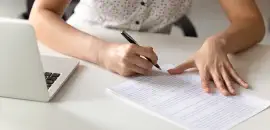
A holographic will is a handwritten will signed by the testator, or the person creating the will. Unlike a typical will, which usually involves formal witnessing and notarization, a holographic will generally does not need to be witnessed or notarized to be considered valid.1 This estate planning option can be simpler and more personal, but its legality and specific requirements may vary by jurisdiction.
Here are some key points about holographic wills:
- Handwritten and Signed: The entire will must be in the testator's handwriting and signed by them.
- No Witnesses Required: Most jurisdictions that recognize holographic wills do not require witnesses, although some states may require them for the will to be valid.
- Not Recognized Everywhere: Not all states or countries recognize holographic wills as valid legal documents. It is important to review local laws.
- Emergency Use: Holographic wills are often written during emergencies when creating a formally executed will is not practical. They should not replace a complete estate strategy when possible.
- Validity: For a holographic will to be valid, the testator must have the mental capacity to understand the meaning of the will and must act voluntarily without undue influence from others.
- Probate Considerations: Even when considered valid, a holographic will may face greater scrutiny in probate court than a will prepared with legal guidance. Challenges can delay asset distribution and create additional legal expenses, which may reduce the convenience and lower upfront cost of a holographic will.
- Estate Planning: Wills are often recommended as part of a broader estate strategy, which may also include life insurance and other end-of-life preparations.
Because of their informal nature, holographic wills may be more vulnerable to challenges in probate court. While they can serve as a valid last testament in some jurisdictions, consulting a legal professional is recommended when considering a holographic will as part of your estate strategy.
Holographic Will Legal Requirements by State
The legal requirements for holographic wills in the United States vary by state. Not all states recognize holographic wills, and among those that do, the requirements for a valid holographic will can differ significantly.
Here is a general overview of what some states may require. For specific legal guidance and the most current regulations, consult a legal professional or review the laws in the applicable state.
States That Recognize Holographic Wills
Many states accept holographic wills, but they may require certain conditions for the document to qualify as a valid will, including:
- Entirely Handwritten: The will must be completely written in the testator's own handwriting. Typed text usually invalidates a holographic will.
- Signature: The testator's signature must appear on the will. Some states also require the document to include a date.
- Material Provisions: The will must contain material provisions, which explain how assets will be distributed and identify beneficiaries.
- Intent: The document must clearly show the testator's intent to create a testamentary document, meaning it is intended to serve as their will after death.
- Capacity: The testator must have the mental capacity to create a will. They must be of sound mind and understand the purpose and effect of the document.
- Lack of Witnesses: Unlike formal wills, holographic wills generally do not require witnesses at the time of signing. However, during probate, witnesses may be needed to confirm the authenticity of the handwriting if the will is contested.
States With Specific Conditions
Some states recognize holographic wills only under certain conditions, such as:
- Presence of Witnesses: A few states may require witnesses even for holographic wills, especially if the testator expects the will could face legal challenges.
- Imminent Peril: In some situations, such as when a testator faces imminent danger or is serving on active military duty, the requirements for a holographic will may be less strict.
States That Do Not Recognize Holographic Wills
Many states do not recognize holographic wills at all. In these states, a will must follow formal writing and witnessing requirements under state law to be legally valid.
Uniform Probate Code (UPC) States
Some states have adopted the Uniform Probate Code, which provides standardized laws related to wills and estates, including holographic wills. However, rules may still vary among UPC states.
States That Recognize Holographic Wills Only if Created In-State or Out-of-State
Some states may recognize a holographic will if it was created in a state where holographic wills are legal, even if that state does not normally recognize them.
Because laws differ from state to state, it is important to review the laws in the relevant jurisdiction before drafting a holographic will. Estate laws can change over time, and current legal guidance can help support compliance with state requirements.
Holographic Will Pros & Cons
When considering the use of a holographic will, it is important to weigh its benefits and drawbacks. Here is a balanced overview of the pros and cons associated with holographic wills.
Benefits
- Simplicity and Speed: They can be drafted quickly without the formal requirements of a standard will. This can help in urgent situations when a person does not have the time or resources to create a formal will.
- Cost-Effective: Holographic wills do not require an attorney or other legal services to prepare, making them a lower-cost option for some individuals.
- May Be Valid in Certain States: Some states recognize holographic wills if they meet specific legal requirements, such as being entirely handwritten and signed by the testator.
- Can Be Created Quickly: A holographic will may provide a way to document wishes when formal estate planning assistance is unavailable or in urgent situations. However, because these wills are more likely to face legal challenges, consulting an estate planning attorney is generally recommended whenever possible.
- Accessibility: They can be created without legal knowledge or a legal professional, making them easier for individuals who may feel overwhelmed by the legal system.
Drawbacks
- Legal Challenges: Without formal witnessing and notarization, handwritten wills are more open to challenges involving authenticity and testamentary capacity.
- Limited Recognition: Not all states recognize holographic wills, which can create problems if the testator moves or if the will goes through probate in another state.
- Risk of Ambiguity: Because they are usually not prepared with legal guidance, holographic wills may contain vague or unclear language. This can lead to disputes among beneficiaries.
- Oversights: A person without legal experience may not know all the provisions that should be included. This can result in an incomplete will that does not fully address the testator's assets or wishes.
- Probate Issues: These wills often require a more detailed probate process to confirm the testator's handwriting and intentions, which can delay asset distribution. A handwriting expert may also be needed to verify authenticity.
- No Legal Advice: Without guidance from an attorney, testators may make mistakes in their will that could lead to unintended outcomes, such as tax issues or failure to follow state laws.
While a holographic will may provide a quick and personal way to express final wishes, it can also create complications during probate. For many people, especially those with large or complex estates, the drawbacks outweigh the benefits, leading them to choose a formally drafted will. However, when a formal will is not possible, a holographic will can serve as an alternative option.
It's always recommended to seek legal advice when considering any type of estate planning to help confirm that all documents are valid and enforceable.
Life Insurance Policy Considerations
A holographic will may be used when a formal will is not available, but it is important to understand how it interacts with life insurance policies. Beneficiary designations on life insurance policies generally take precedence over instructions in a will, including a holographic will. For this reason, it is important to review beneficiary information regularly and keep it aligned with your estate planning documents.
Designating Beneficiaries in a Life Insurance Policy
Life insurance proceeds are typically paid directly to the named beneficiaries after the policyholder’s death. In most cases, these proceeds bypass the will entirely.
A holographic will does not override the beneficiary designations listed on a life insurance policy. To help reflect your current wishes, review your policy regularly and update beneficiary information when needed. Beneficiary designations generally take precedence over directions included in a will, including a holographic will.
Steps to Creating a Holographic Will
Creating a holographic will generally involves a few key steps. While the specific requirements can vary by jurisdiction, here are the steps you would typically follow:
- Understand the Laws: Research your state's specific requirements for a holographic will. Some states require certain phrases or clauses, while others may not recognize holographic wills at all.
- Write by Hand: The will must be handwritten. This is what separates it from other types of wills. Use ink to help prevent smudging and maintain the document over time.
- Be Specific: Clearly identify yourself and state that you are creating a will. Use direct language to show your intent, such as, "This is my last will and testament."
- Date the Document: Write the date on the will. This can be very important if there are multiple wills because it helps show which version is the most recent.
- Detail Your Assets: List your significant assets and specify who you want to inherit each asset. Be as clear and detailed as possible to avoid confusion.
- Designate Beneficiaries: Clearly name the people or organizations you want to receive your property. These individuals or groups are called beneficiaries. Include their full names and their relationship to you.
- Appoint an Executor: Name someone you trust to carry out the instructions in your will. This person is known as the executor.
- Guardians for Minor Children: If applicable, name a guardian for your minor children. You can also include instructions related to their care and upbringing.
- Sign the Will: Sign your name at the end of the will. Your signature helps validate the document.
- Store the Will Securely: Keep your will in a secure location where it can be found after your death. Inform a trusted person, such as the executor or a family member, where the will is stored.
- Consider Witnesses: Although witnesses are not always required, having them may help during the probate process. Some states also have specific witness requirements.
- Avoid Erasures and Cross-Outs: If you need to make changes, it is often better to create a new will. This can help prevent disputes about your intentions.
- Review and Update: Review your will regularly and update it when needed. Major life events, such as marriage, divorce, births, or deaths, should prompt a review of your will.
- Seek Legal Advice: Although you can create a holographic will without legal assistance, speaking with an estate attorney can help confirm that your will follows state laws and accurately reflects your wishes.
It's always wise to seek professional legal advice to help avoid unintended consequences.
Holographic Will Validation & Probate Challenges
While holographic wills can provide a convenient and low-cost option for estate planning, helping confirm their validity and moving through the probate process can create challenges. Here is a breakdown of the potential issues:
Validation Challenges
- Compliance With State Laws: Each state has specific requirements for holographic wills. Failing to meet these requirements, such as leaving out required elements or using improper formatting, can invalidate the will.
- Handwriting and Signature Issues: The handwriting must be clear and easy to read, and the signature must include the testator's full legal name. Any concerns about the authenticity of the handwriting or signature can lead to legal challenges.
- Dating Errors: The date is important for establishing the will's validity and determining whether it takes priority over other wills. Incorrect or missing dates can create confusion and legal disputes.
- Ambiguous Language: Unclear or vague language in the will can lead to misunderstandings and disagreements among beneficiaries, which may result in legal disputes.
- Lack of Witnesses: Although witnesses are not required in some states, having witnesses can help strengthen the validity of the will. This is especially helpful if the testator's handwriting is difficult to read or if concerns about undue influence arise.
Probate Challenges
- Will Contests: Beneficiaries or other interested parties who believe the holographic will is invalid or does not reflect the testator's true wishes may contest the will in court. This can lead to long and expensive legal disputes.
- Undue Influence: If someone claims the testator was pressured or forced into creating the holographic will, the court may declare the will invalid.
- Fraud and Forgery: Claims involving forged signatures or altered documents can add complications and delays to the probate process.
- Missing Information: A holographic will may not include important details about the testator's assets or wishes. This can require additional investigation and delay the distribution of assets.
When creating a will, it is important to understand possible validation and probate challenges. You can help improve the chances of your wishes being carried out as intended by making sure the will follows legal requirements, using clear language, and seeking legal guidance when needed.
What Are the Alternatives to a Holographic Will?
While holographic wills offer a quick and low-cost way to express your final wishes, they also come with certain risks and limitations. Fortunately, several alternative options can provide greater protection and flexibility for your estate needs.
Here's a comparison of some popular alternatives.
| Estate Planning Strategy | Potential Benefits | Potential Drawbacks |
|---|---|---|
| Living Trust | May help assets avoid probate, maintain privacy, and streamline asset distribution. | Can involve higher setup and maintenance costs than a will. |
| Joint Tenancy with Right of Survivorship | Allows ownership of property to transfer automatically to the surviving owner upon death. | Shared ownership may limit flexibility and expose assets to a co-owner's creditors or liabilities. |
| Payable-on-Death (POD) Accounts | Allows designated beneficiaries to receive certain financial accounts directly without going through probate. | Only applies to eligible accounts and requires beneficiary designations to be kept current. |
| Transfer-on-Death (TOD) Designations | Can transfer certain investment accounts or assets directly to named beneficiaries. | Availability varies by state and asset type, and beneficiary information must be updated as circumstances change. |
| Formal Will | Provides legally documented instructions for distributing assets and naming guardians for minor children. | May need to go through probate and can involve legal costs to prepare. |
| Holographic Will* | May be a lower-cost option in states that recognize handwritten wills. | State laws vary, and handwritten wills may face greater challenges during probate if requirements are not met. |
*State laws regarding holographic wills vary. Consider consulting a qualified estate planning attorney regarding your specific situation.
Choosing the Right Option
The right alternative depends on your personal circumstances and estate goals. Consider the following factors when making your decision:
- Complexity of your estate: A holographic will may work for a simple estate. More complex situations may require a formal will or trust.
- Desire for privacy: A trust or jointly held property may provide more privacy than a will.
- Budget considerations: Lower-cost estate planning options may include a holographic will or adding payable-on-death (POD) designations to eligible financial accounts, depending on your needs.
- Specific wishes and needs: Consider whether you have detailed instructions about inheritance, guardianship, or other matters.
It's often helpful to speak with an experienced attorney or advisor to discuss your specific situation and determine the most suitable option for your estate needs. They can help you understand legal requirements, manage complex decisions, and document your final wishes properly.
Conclusion
Planning your estate is an important decision that requires careful thought. While holographic wills can provide a convenient option, they also come with certain risks and limitations. Understanding the available options and creating a plan that fits your needs can help protect your legacy and support your loved ones.
Creating a will is an important step toward protecting your loved ones in the future. Documenting your wishes can help provide clear guidance and reduce uncertainty for your family.
Sources
- Holographic will: Why you need more than just a handwritten will. https://www.freewill.com/learn/holographic-will.