Navigating financial decisions can feel overwhelming, especially when asking, “When should I get life insurance?” Many people assume it is only for the wealthy, parents, or older adults, but that belief can lead to missed opportunities. Without coverage, loved ones could be left to handle debts, unpaid bills, and other expenses during an already difficult time.
This article clears up common myths and explains who can benefit from life insurance at different life stages, from early adulthood to retirement, and why it can play an important role in planning ahead.
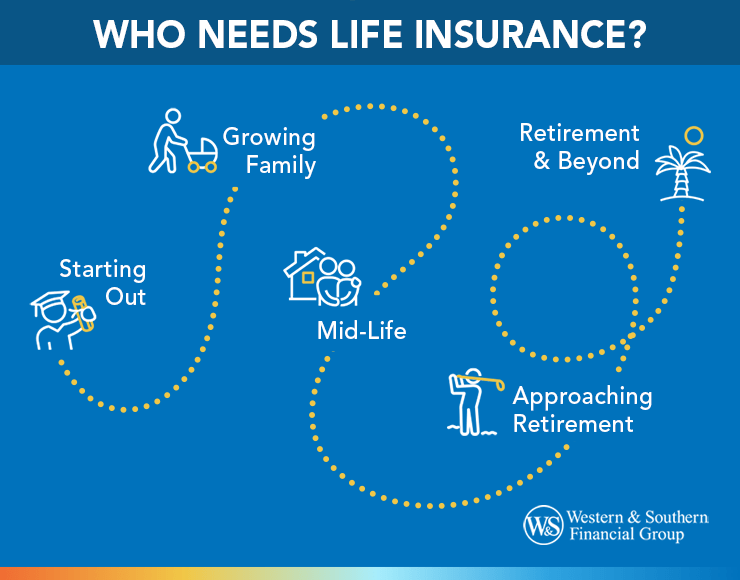
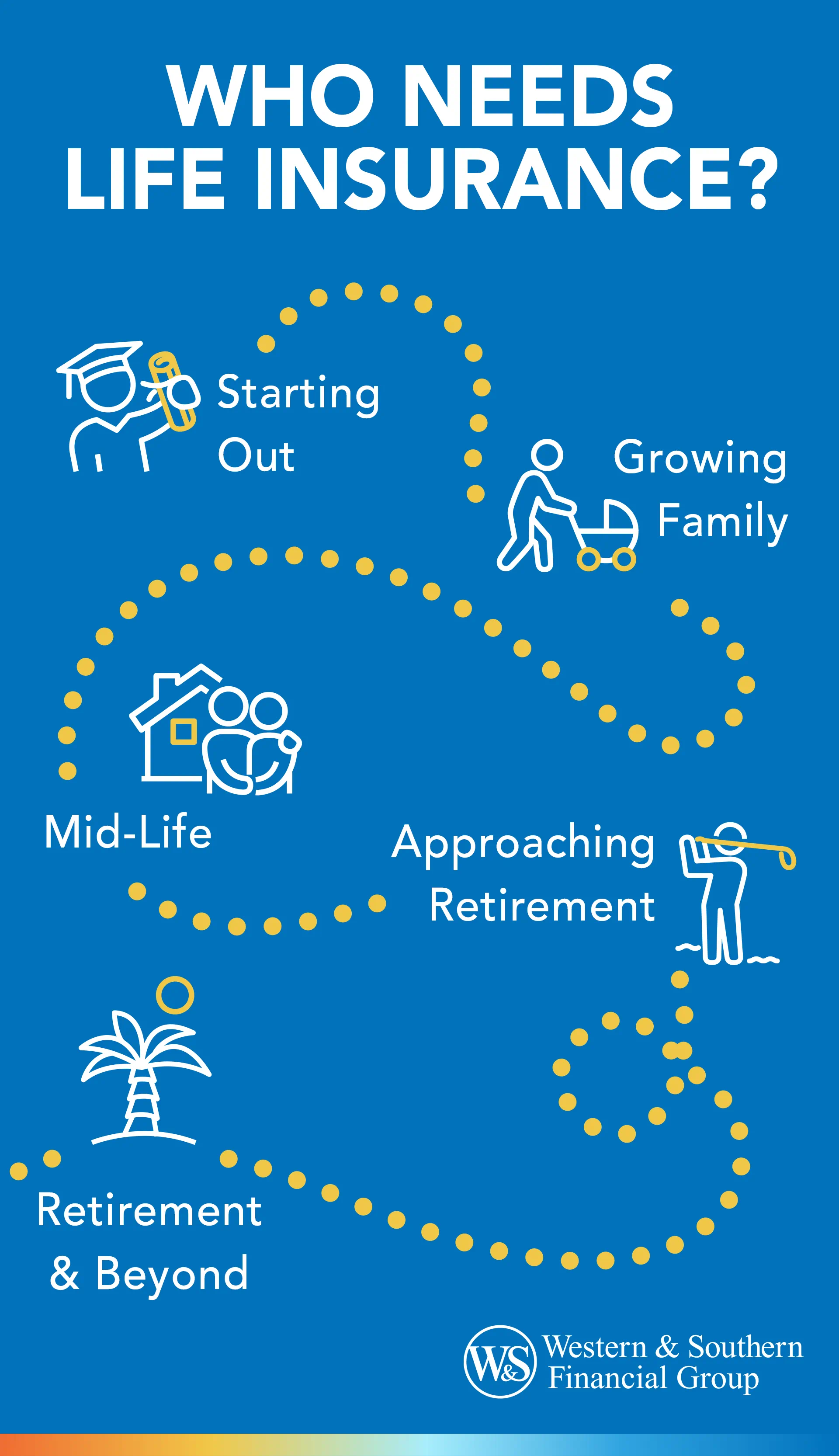
Starting Out
The "Starting Out" life stage includes young adults beginning independent lives and building a foundation for their financial future. Life insurance is often overlooked at this stage, but buying coverage early can offer long-term advantages as careers begin and debts grow.
While life insurance may not immediately come to mind for this group, there are some compelling reasons to consider it:
- Lower Premiums When Young: Premiums for both a term life insurance policy and a permanent life insurance policy are typically lower for younger, healthy individuals. Buying early can lock in lower life insurance costs for the length of the policy.
- Debt Coverage: Many young adults carry student loans, credit cards, or other debt. Life insurance can help prevent these obligations from being passed on to loved ones or co-signers.
- Planning for Future Life Changes: You may be single now, but that can change. Securing coverage early means protection is already in-place if you get married or have children. Some policies also offer conversion options or cash value features that can add flexibility later.
- Funeral Expenses: Funeral costs can add up quickly. Life insurance can help cover these expenses so loved ones are not left with the bill.
- Workplace Coverage Gaps: Employer sponsored life insurance may be common but often limited to a multiple of the annual salary. An individual policy can help fill coverage gaps if workplace benefits fall short.
- Supporting Dependents: Some young adults may be supporting aging parents or younger siblings. Life insurance can help maintain that support if the insured passes away.
- Health Considerations: Health can change over time. If you have a hereditary or early-onset condition, applying while healthy may improve eligibility and pricing.
Although the “Starting Out” stage often includes milestones like marriage, the birth of children, and buying a first home, lower premiums and early access to coverage can make it a decision worth reviewing sooner rather than later.










Growing Family
The "Growing Family" life stage is characterized by significant milestones like marriage, children's birth, and purchasing a first home. As responsibilities increase, the need for life insurance becomes more relevant. Here's a breakdown of reasons to consider it:
- Income Replacement: Life insurance can help replace lost income if one parent dies. This allows the surviving spouse or partner to cover everyday expenses and maintain their current lifestyle.
- Childcare and Education: Death benefits can help cover childcare costs if the surviving parent needs to keep working. Funds may also be used for future education expenses, including college, even if one parent is no longer around to contribute.
- Debt Settlement: Life insurance can be used to pay off major debts such as a mortgage, car loans, or other obligations, helping reduce financial strain on the family.
- Spousal Support: When one spouse depends on the other’s income or stays home to care for children, life insurance can help cover ongoing household expenses and give the working spouse time to adjust.
- Funeral Costs: Funeral and related expenses can be costly. A policy can help cover these costs so families are not faced with unexpected bills during a difficult time.
- Estate Planning: As families grow, life insurance may help support inheritance goals and beneficiaries manage estate taxes.
During the "Growing Family" stage, individuals are building long-term stability for their household. Life insurance coverage can help protect that foundation as circumstances change.









Mid-Life
The "Mid-life" life stage often includes adults in the middle of their careers. Some may have grown children or be empty nesters. Many individuals are balancing priorities such as retirement, college costs, and estate considerations. Life insurance can help protect income and support loved ones if death occurs. Here are the reasons why life insurance is essential during this stage:
- Debt Management: Many people still carry major obligations, such as mortgages, car loans, or student loans. Life insurance can help prevent these debts from becoming a burden for surviving family members.
- Children's Education: Children may be nearing college or already enrolled. With education costs rising, life insurance can help make sure funds remain available if the primary earner is no longer alive.
- Supporting Aging Parents: As parents age, medical and care expenses often increase. Life insurance can help support these needs, especially when someone is a primary caregiver or financial contributor.
- Retirement Savings Cushion: If death occurs before retirement, a surviving spouse may lose years of potential savings. Life insurance can help replace lost income and support retirement income needs.
- Business Protection: For business owners, life insurance can support continuity. It may fund buy-sell agreements or provide liquidity to help keep a business operating during transitions. Understanding your company’s value is often a starting point, and a Business Valuation Calculator can help estimate what level of coverage may align with your business planning goals.
- Estate Planning: As assets grow, questions may arise about estate taxes or how wealth will be distributed. Life insurance can help address these concerns and support planned outcomes.
- Changing Financial Goals: Mid-life often brings shifts in needs and priorities. Reviewing and updating coverage helps keep policies aligned with current needs.
- Health Considerations: Some health issues may begin to appear during this stage. Securing or updating coverage earlier can help maintain eligibility and options.
- Financial Legacy Aspirations: Some individuals may want to leave assets to children, grandchildren, or charitable causes. Life insurance can help support these goals and carry out intended wishes.
The "Mid-Life" stage often includes greater stability, but every day responsibilities can also increase. Supporting parents, managing debt, and preparing for retirement make life insurance a practical tool for addressing evolving needs and long-term goals.







Approaching Retirement
The "Approaching Retirement" life stage typically includes people over age 50 who are nearing retirement. During this time, individuals may face challenges such as medical expenses, long-term care costs, and income changes. Life insurance can continue to play a meaningful role in supporting loved ones and protecting assets. Here's an exploration of why life insurance needs remain relevant during this life stage:
- Supplementing Retirement Income: If someone passes away just before or early in retirement, a surviving spouse or partner may lose a source of income. A life insurance policy can help cover living expenses and support ongoing needs.
- Final Expenses: End-of-life costs such as funeral expenses and remaining medical bills can add up quickly. A death benefit can help cover these costs and reduce the burden on family member.
- Estate Planning and Taxes: As assets grow over time, estate taxes may reduce what heirs receive. Life insurance can be integral to estate planning, offsetting these costs so beneficiaries receive more of the intended inheritance.
- Debt Payoff: Mortgages, loans, or credit card balances may still exist at this stage. Life insurance can help ensure these debts do not transfer to loved ones.
- Legacy Goals: Many individuals may want to leave money to children, grandchildren, or charitable organizations. A life insurance death benefit allows these wishes to be carried out.
- Protecting Business Interests: Business owners may need a plan for what happens after their passing. Life insurance can support buy-sell agreements, business continuity, or ownership transitions.
- Covering Long-Term Care Costs: Some policies offer riders that allow access to part of the death benefit for long-term care needs if health declines.
- Changing Policies: Term life policies may expire as retirement approaches. Converting to permanent coverage or securing a new policy may better align with current needs.
- Health Considerations: Health risks increase with age, even for those currently in good health. Life insurance can help protect loved ones if unexpected health changes occur.
The "Approaching Retirement" is often a time of reflection and preparation. While the earning years may be winding down, the desire to support loved ones and leave a lasting financial legacy often remains. Life insurance can continue to serve an important role during this life stage.









Retirement & Beyond
The "Retirement and Beyond" life stage includes people who are retired or nearing the later years of life. Financial priorities often shift due to medical costs, long-term care needs, and end-of-life expenses. Even so, life insurance can still serve clear purposes during this life stage:
- Final Expenses: Many retirees want to avoid passing funeral and burial costs on to loved ones. A life insurance policy can help cover these expenses and reduce financial strain on family members.
- Estate Liquidity: Estate taxes can be significant, and assets may be tied up in property or other non-liquid holdings. Life insurance can provide funds to address estate taxes without forcing the sale of assets.
- Legacy Creation: Some retirees want to leave money to children, grandchildren, or great-grandchildren. Life insurance can help support education, major life events, or other personal goals.
- Charitable Contributions: A policy can name a charity as a beneficiary, allowing retirees to support causes they care about after their passing.
- Supplementing Income: Certain whole life or universal life policies may build cash value over time. In limited situations, this cash value may be accessed to supplement retirement income. Loans or withdrawals will reduce the death benefit.
- Debt Clearance: Not everyone enters retirement debt-free. Life insurance can help cover remaining mortgages or other debts so they do not transfer to surviving family members.
- Protecting a Surviving Spouse: If pension or retirement benefits decrease or stop at death, life insurance can help provide ongoing support for a surviving spouse.
- Healthcare and Long-Term Care Costs: Some policies include riders that allow access to part of the death benefit for healthcare or long-term care expenses.
- Policy Maturity: Some permanent life policies, especially whole life insurance, may have a maturity date. Depending on the policy terms, the policyholder may receive a payout or use the policy in other ways.
The "Retirement and Beyond" stage is often a time of reflection and enjoying later years while getting affairs in order. Life insurance can help align personal wishes with how assets are passed on, whether the goal is covering final expenses, supporting loved ones, or leaving a meaningful gift.






Conclusion
No matter your stage in life, life insurance coverage can serve important purposes and should not be left to chance. As with any financial decision, it can help to speak with a financial advisor or insurance professional. They can help evaluate insurance companies, claims paying ability, and the costs and benefits of coverage based on your needs and goals.
Life insurance companies differ in definitions, exclusions, waiting periods, and policy terms, all of which can affect coverage. Because policies and optional riders vary, take time to research your options, decide how much coverage makes sense, and choose a policy that aligns with your financial objectives, family situation, and personal preferences.