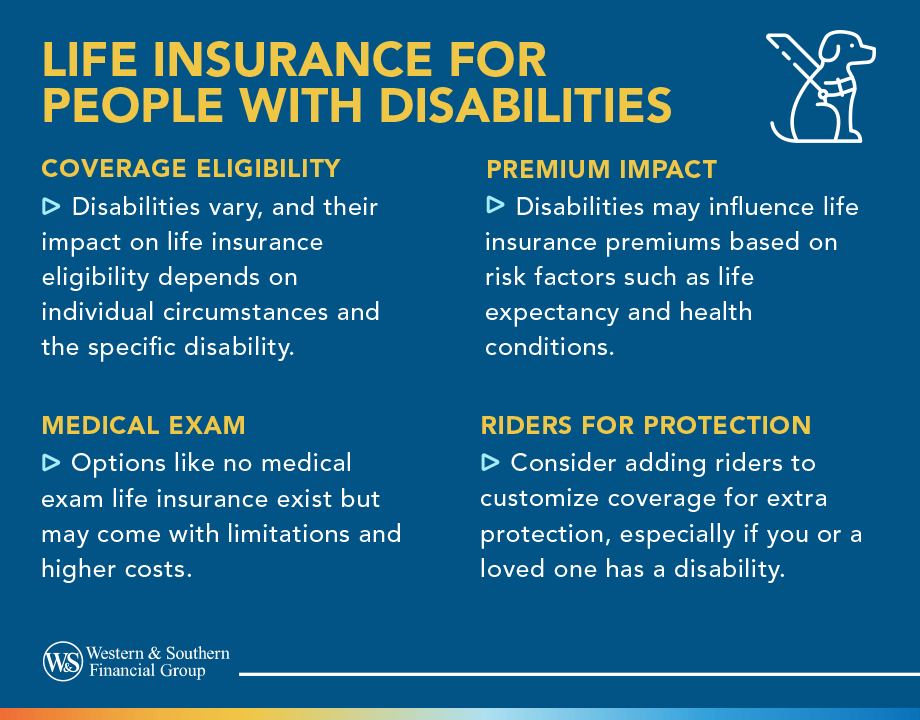
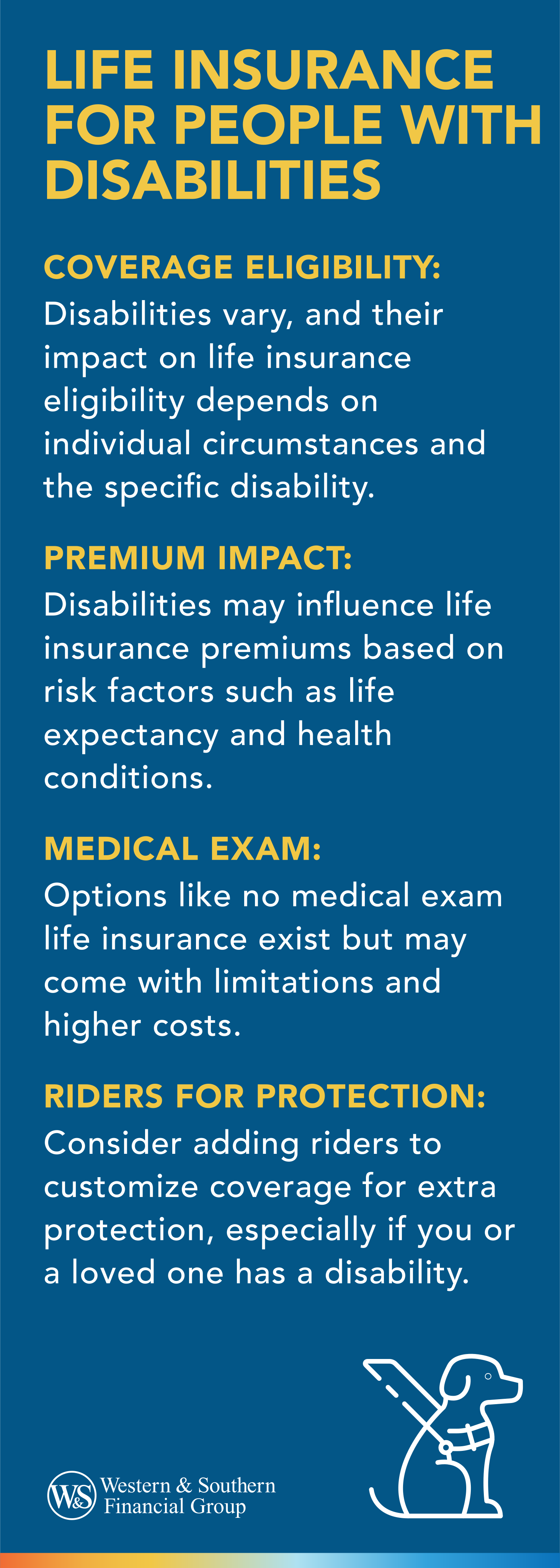
Disability can change many aspects of life, but it doesn’t remove the need for life insurance. For individuals living with physical or mental impairments, coverage can help protect loved ones, cover final expenses, and support long-term financial goals. Understanding how insurers evaluate disability is an important first step toward finding a policy that fits your situation.
Understanding Life Insurance & Disability
Life insurance and disability insurance are often mentioned together, yet they serve very different purposes. One replaces income during periods you can’t work. The other pays a death benefit when you pass away. Where things get complicated is underwriting.
What It Means to Be “Disabled” in Life Insurance
In everyday language, disability is broad. In insurance underwriting, it’s more specific.
Life insurance companies generally define disability as a physical or mental impairment that limits one or more major life activities, such as working, walking, or self-care.1 This definition overlaps with the Americans with Disabilities Act, but insurers focus less on legal status and more on medical risk.2
That means:
- A mobility impairment may be evaluated differently than a neurological condition
- A mental health condition may raise different concerns than a spinal injury
- Two applicants with the same diagnosis may receive different outcomes based on severity and stability
How Disability Affects Eligibility & Underwriting
Underwriting assesses risk over an extended period. Insurers typically examine:
- Detailed medical history and comprehensive medical records
- Current and ongoing treatment plans
- All prescribed medications
- Past hospital
- Current functional limitations and capabilities
- Assumptions regarding life expectancy based on health conditions
Certain disabilities have minimal impact, while others significantly affect:
- Higher life insurance premium rates
- Reduced coverage amount
- Policy exclusions
- Requests for a medical exam
Disability alone doesn’t disqualify you. How it affects longevity does.
Types of Life Insurance Available
The good news is that people with disabilities often have more options than they expect. The key is matching the right type of policy with their goals and overall financial direction.3
Term Life vs. Permanent Options for Disabled Applicants
Term life insurance provides coverage for a set period - often 10, 20, or 30 years. It’s usually the most affordable option, but underwriting is stricter.
Permanent life insurance, including whole life insurance, lasts for life and includes a cash value component. These policies cost more, but underwriting can be more flexible in certain cases.
| Policy Type | Pros | Cons |
|---|---|---|
| Term Life | Lower premium costs, high coverage amount | Stricter underwriting, expires |
| Whole Life | Lifetime coverage, builds potential cash value | Higher premium payments |
| Permanent Life Insurance (Universal) | Flexible premiums, lifelong protection | Sensitive to funding levels |
Applicants with stable conditions often qualify for term life insurance. By contrast, individuals with more complex or long-term disabilities may find it easier to obtain permanent life insurance policies.
Simplified Issue & No Medical Exam Policies
Simplified issue and no medical exam life insurance can appeal to people who want to avoid a full underwriting process. These policies typically include:
- No medical exam required: Applicants skip lab work and physical exams.
- Health questions instead of exams: Insurers use a short health questionnaire to gather information.
- Record reviews: Prescription history and existing medical records help assess eligibility and risk.
These policies usually cost more per dollar of coverage, but approvals are much faster.
Policies With Disability-Related Riders
Riders can add meaningful value to life insurance policies for individuals with disabilities. Common options include:
- Waiver of premium rider: Temporarily pauses premium payments if a disability prevents the policyholder from working.
- Disability income rider: Provides regular disability income while keeping the life insurance policy active.
- Accelerated death benefit rider: Allows early access to a portion of the death benefit if the policyholder is diagnosed with a qualifying illness.
- Long-term care rider: Converts part of the death benefit into funds to help cover long-term care expenses.
While these riders don’t eliminate underwriting requirements, they can help maintain coverage during periods of financial strain or health-related challenges.
How to Improve Your Chances of Approval
Steps You Can Take Before Applying
Taking a few steps before starting the application can help the process go more smoothly:
- Update your medical records so the insurer has an accurate picture of your current health.
- Document condition stability, including well-managed symptoms and no recent hospitalizations.
- Confirm diagnosis dates and outline your treatment history to create a clear timeline.
- Review your disability benefits, including how long those benefits last.
Working with an experienced insurance professional can help simplify the process. An agent or broker who understands underwriting guidelines can point you to insurers that fit your situation, streamline your application, and improve your chances of securing the right coverage.
How Health History & Medical Records Affect Underwriting
Underwriters look for patterns in an applicant’s medical history, such as:
- Ongoing treatment plans
- Stable bloodwork results
- Well-managed medications
- Few emergency medical events
Clear, complete medical records can help speed up underwriting and may support more favorable premium rates. Missing or unclear documentation can slow decisions and affect the outcome of your application.
Common Scenarios & Considerations
Life Insurance for People With Chronic Illness
Having a chronic illness doesn’t automatically mean you’ll be denied coverage. Many people with conditions such as diabetes, multiple sclerosis, autoimmune disorders, or mental health conditions can still qualify for life insurance.
Insurers typically consider:
- How well the condition is managed
- Whether symptoms are stable or progressing
- How much the condition affects daily life
In some cases, simplified issue life insurance or final expense policies can provide practical options when traditional coverage is more difficult to obtain.
How Age & Severity of Disability Impact Cost
Both age and the severity of a disability play a role in underwriting risk assessments.
- Age: Younger applicants with lifelong disabilities that have remained stable over time may qualify for more favorable pricing than older individuals with more recent health complications.
- Severity: The degree of disability can influence premium costs, available coverage limits, and which riders may be added to a policy.
Because underwriting standards vary by insurer, comparing quotes from multiple providers can be especially helpful in these situations.
What Life Insurance Costs & Rates for People With Disabilities
What Disabled Individuals Can Expect to Pay
Life insurance premiums vary based on several factors, including:
- Policy type
- Coverage amount
- Medical history
- Disability classification
Some policies cost more while offering fewer benefits. For example, guaranteed issue and final expense insurance often have higher premiums and lower coverage amounts. Term life insurance is generally more affordable, but qualifying can be more challenging - especially for individuals with complex health conditions.
How to Compare Quotes
Price matters, but it shouldn’t be the only factor when comparing life insurance policies. It’s also helpful to consider:
- Policy guarantees
- When benefits are paid
- Waiting periods before full coverage begins
- Graded vs. immediate death benefits
- Financial strength and reputation of the insurer
Working with an insurance broker can help simplify the process. A broker can narrow down suitable options and often reduce the need to submit multiple applications.
Alternatives When Traditional Coverage Isn’t Available
Guaranteed Issue & Graded Benefit Policies
Guaranteed issue life insurance does not require a medical exam or health questions, which makes it easier to qualify for. Coverage amounts are typically lower, and many policies include a graded death benefit during the first few years.
What to know:
- No medical exam or health questions
- Lower coverage limits
- A graded death benefit may apply early on
- Commonly used to help cover final expenses and funeral costs
Group & Voluntary Benefits
Employer-sponsored group life insurance or voluntary life insurance through your workplace can be a more accessible way to get coverage. These plans typically involve minimal underwriting, which means you may qualify without individual approval or a full medical exam.
Veterans also have access to life insurance programs designed around service-related needs. Options such as Veterans Affairs (VA) Life Insurance and Service-Disabled Veterans Life Insurance are tailored for veterans with service-connected disabilities. These programs account for health conditions related to military service while offering meaningful financial protection.
Special Considerations for Families & Dependents
Life insurance plays an important role when planning for individuals with special needs. Parents or caregivers often use different approaches to help protect long-term financial support.
Common planning strategies include:
- Permanent life insurance: Can help fund a special needs trust to support lifelong care needs.
- Joint life insurance policies: Allow spouses or family members to plan together for shared coverage.
- Carefully structured beneficiary designations: Help avoid disrupting eligibility for government disability benefits.
An insurable interest is required, but thoughtful planning is key to aligning a policy with long-term care goals and financial priorities.
Conclusion
Life insurance for people with disabilities isn’t one-size-fits-all and that flexibility is a benefit. Options range from term and whole life policies to guaranteed issue coverage and rider-supported plans, designed to fit a wide range of medical and financial situations. Understanding how insurers assess disability can help you choose coverage that supports your financial future without added obstacles.
Choose life insurance that accommodates your needs and provides essential coverage. Request a Free Life Insurance Quote
Sources
- Life Insurance for People With Disabilities. https://www.usnews.com/insurance/life-insurance/life-insurance-for-disabled.
- What is the Americans with Disabilities Act (ADA)? https://adata.org/learn-about-ada.
- What are the Different Types of Disabilities? https://cpdonline.co.uk/knowledge-base/care/different-types-of-disabilities/.