Myths about buying life insurance are common, especially after age 50. You may have heard you no longer need coverage or that it is too late to buy, but the reality is more nuanced.
If you already have a policy, this may be a good time to review or update it. Life insurance needs often change with age, and what worked at 35 may not be the right fit today. If protecting your family from financial hardship is a goal, it helps to understand your options. Here’s what to know about life insurance after 50.
Why Get Life Insurance Over 50?
Whether you're considering updating your current policy or are a first-time buyer, being over 50 likely means planning for your family's financial future is taking on added importance.
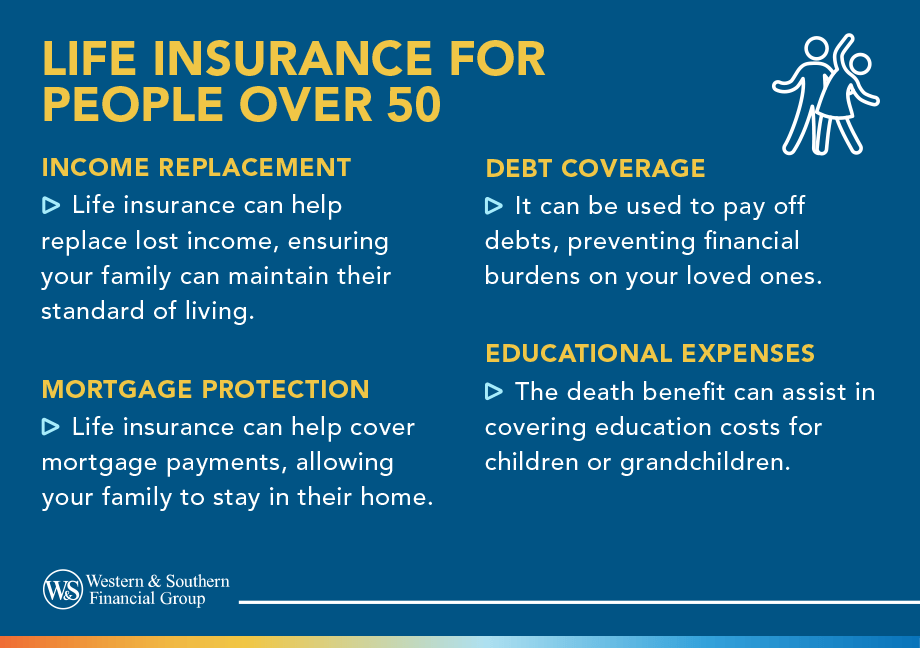
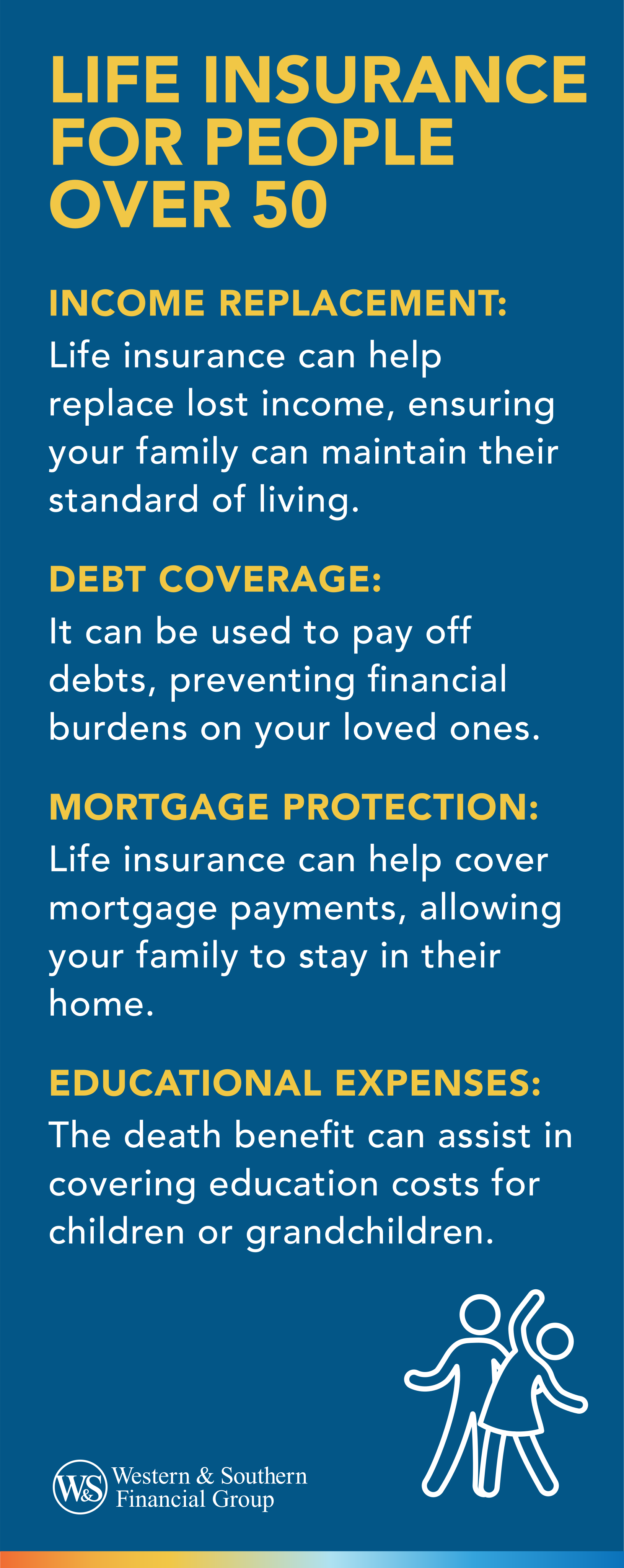
Life insurance exists to help provide a financial cushion for your loved ones. With your death benefit, your beneficiaries may be able to replace your income, pay for education costs, cover debts or keep up with the mortgage. Without it, they may struggle financially.
If you're looking for a way to provide for your family after you're gone, life insurance can help. However, you must know your needs so that you can pick coverage that will meet them.
Updating Life Insurance for People Over 50
If you already have a policy, it may be time to review it and check whether it still fits your needs. As your life changes, a different type of policy may make more sense.
You may have purchased a 20-year term life insurance policy at 35 when your children were young. At the time, the goal may have been to help cover education costs if you passed away early. Now your children may be finishing college, and your term policy could be nearing its end. This can be a natural point to consider a different approach to coverage.
As your children become adults, your focus may shift to a permanent life insurance policy. These policies usually cost more than term insurance but last your entire life as long as premiums are paid. Premium rates are locked in and can help provide income replacement and financial support for a surviving spouse.
You may also have questions about medical exams when changing or buying a new policy. Many insurers require people over 50 to share health information and, in some cases, complete an exam. If your health has changed, it could affect your options. Requirements vary by policy, and many people are still able to find coverage that works for their situation.
Buying Life Insurance for the First Time Over 50
If you are nearing 50, it is not too late to buy life insurance for the first time. Many policies are designed to meet the needs of older first time buyers.
Choose the Right Type of Coverage
Start by deciding what type of coverage fits your situation.
- Term life insurance may be a fit if you have limited debt and want to help provide your family with a financial cushion into retirement. These policies are typically more affordable.
- Permanent life insurance lasts your entire life as long as premiums are paid. This option may appeal if you want long term coverage.
A financial professional can help you compare options and shop for a policy that fits your needs.
Understand the Application Process
Once you choose a policy, the process is usually straightforward.
- Complete an application with personal and health information.
- Complete a health exam if required.
- Review your approval amount and premium from the insurer.
- Accept the offer to put coverage in place.
With the right guidance, buying life insurance later in life can be a manageable and informed decision.
Health Considerations for People Over 50
When it comes to life insurance for people over 50, your health is a significant factor in determining if you can get approved for certain. It can also affect the affordability of your premium.
Typically, the younger and healthier you are, the more affordable your life insurance premium will be. Having preexisting conditions or being in poor health doesn't necessarily disqualify you from obtaining a policy, but it may impact the amount of coverage and the cost. That's something you'll need to consider as you explore your options.
Some insurers do offer no-exam health insurance. These policies typically don't have high coverage rates, but the death benefit can help your loved ones pay for your burial, final expenses and other debts.
Final Thoughts: Getting the Coverage You Need
As you reach major life milestones like marriage, starting a family, or a new job, it is a good idea to review your life insurance policy. The same is true as you get older. Set aside time each year to review your coverage and beneficiaries and see whether any updates are needed. Staying up to date can help ensure your coverage still fits your needs and that your death benefit goes to the person you intend.
Choose life insurance to mitigate future financial uncertainties. Request a Free Life Insurance Quote