What Is a Life Insurance Medical Exam?
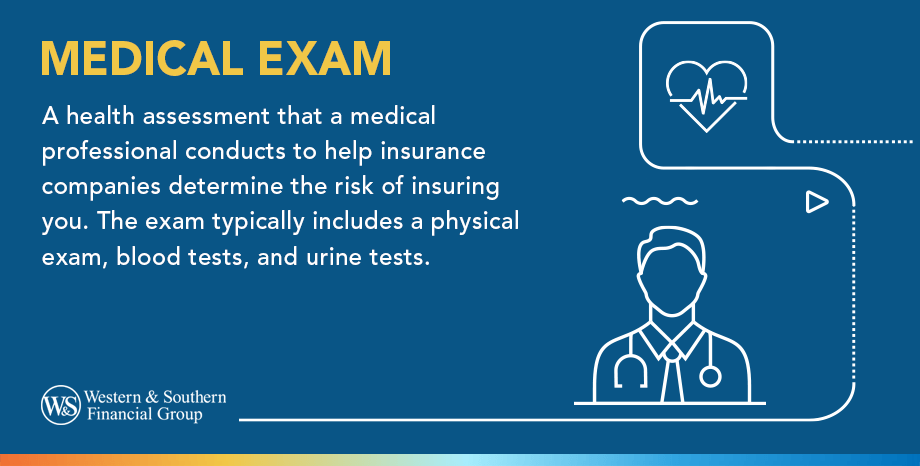
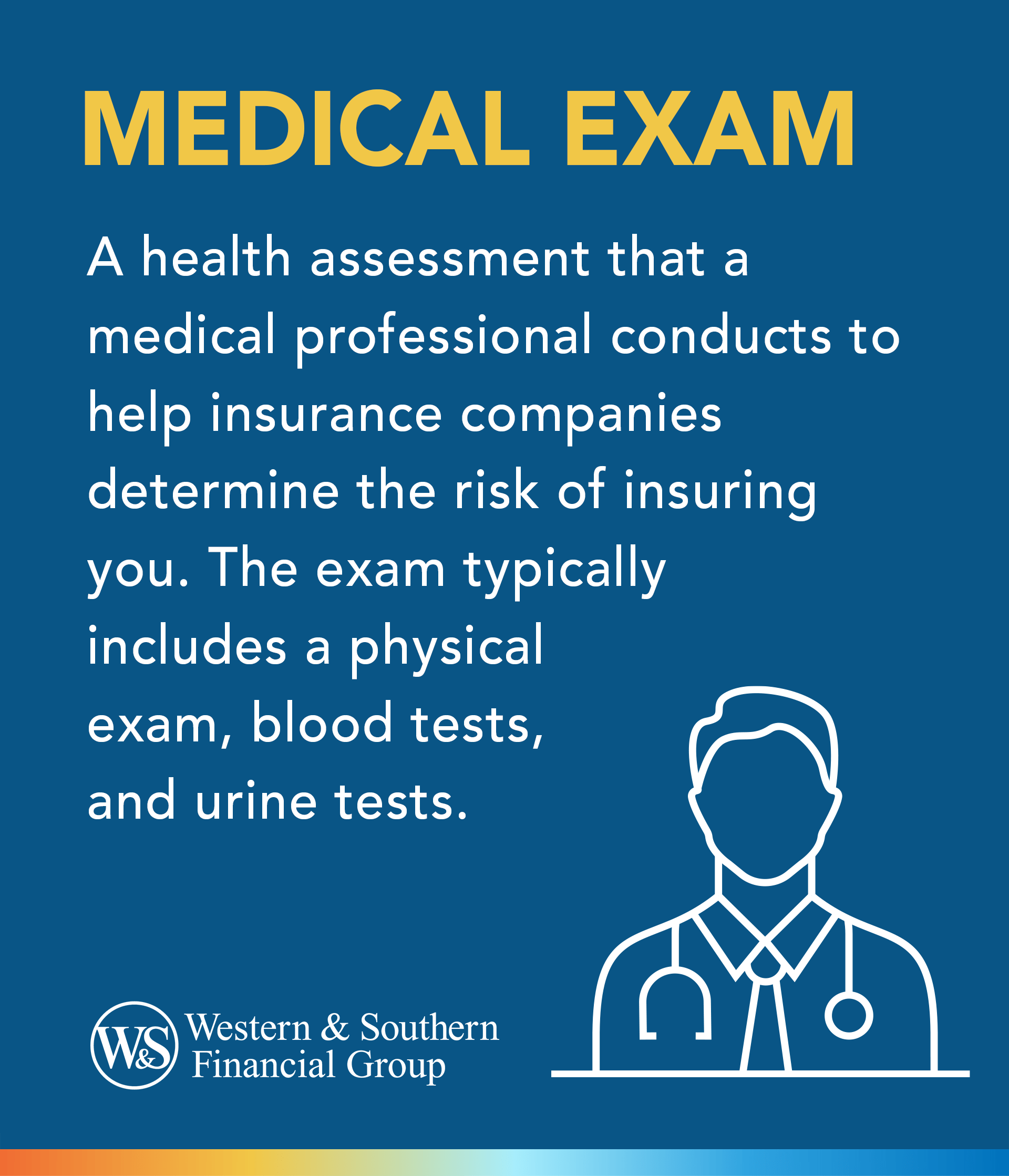
A life insurance medical exam is a health assessment completed during the life insurance application process. IIt helps insurers review your current health, evaluate risk, and determine policy pricing and coverage options.
What the Exam Typically Includes
- Basic health measurements: Height, weight, blood pressure, and pulse
- Blood and urine samples: Used to review indicators such as cholesterol, blood sugar, nicotine use, and signs of certain conditions
- Medical history review: Questions about personal and family health history, lifestyle habits, and current prescriptions
What to Expect
A licensed healthcare professional - often a nurse or paramedical examiner - conducts the exam. It usually takes 30–45 minutes and may be completed at your home, workplace, or a medical facility, depending on the insurer.
Why It Matters
Exam results help insurers assess life expectancy and overall risk, which allows them to set appropriate premiums and coverage terms for your policy.
Why Do Life Insurance Companies Require a Medical Exam?
Life insurance companies use medical exams to make informed and fair coverage decisions. Here’s why they matter:
- Risk Assessment: Medical exams help insurers evaluate health factors, life expectancy, and the likelihood of a future claim.
- Premium Determination: Exam results directly affect cost of coverage. Healthier applicants often qualify for lower premiums, while certain conditions may lead to higher rates or coverage limits.
- Customized Coverage: Detailed health information allows insurers to offer coverage options that better match an individual’s health profile.
- Fraud Prevention: Exams help verify application details, protecting both insurers and policyholders from inaccurate or fraudulent information.
- Underwriting Accuracy: Objective medical data supports fair and consistent decisions about eligibility and pricing.
- Reinsurance Requirements: Reinsurers often require medical exam results before agreeing to share risk with the insurer.
- Early Health Insights: In some cases, exams may reveal previously unknown health concerns, giving applicants an opportunity to follow up with a healthcare provider.
- Policy Sustainability: Accurate risk evaluation helps insurers set appropriate premiums that support long-term financial stability.
Understanding these factors can help applicants feel more comfortable with the medical exam and better understand its role in the underwriting process.
Why Do I Need a Medical Exam?
A life insurance medical exam isn’t required for everyone, but it’s a common step for many applicants. Insurers use the exam to better understand your health and determine policy terms.
Common reasons a medical exam may be required include:
- Risk assessment and pricing: Insurers evaluate your health to help set appropriate premium rates.
- Qualifying for better rates: Strong exam results can show you’re a lower risk, which may lead to more favorable premiums or coverage options.
- Larger coverage amounts: Higher death benefits often require a medical exam so insurers can fully assess health risks.
- Age considerations: Applicants over certain age thresholds are more likely to need an exam due to increased health risks.
- Specific health conditions: Existing medical conditions may require further evaluation to determine eligibility or policy adjustments.
Whether a medical exam is required depends on factors such as your age, health history, coverage amount, and the insurer’s guidelines. If you’re unsure, a licensed life insurance professional can help you review your options and identify the best type of policy that fit your needs.
What Happens During the Exam?
A life insurance medical exam includes a few standard checks to review your overall health. Here’s what to expect:
- Medical history review: Questions about past illnesses, surgeries, prescriptions, family health history, and any ongoing conditions.
- Physical measurements: Blood pressure, height, weight, body mass, and pulse are recorded.
- Blood and urine tests: Samples are used to check indicators like blood sugar and cholesterol, along with nicotine or drug use.
- Additional tests (if needed): Based on your age or health history, a noninvasive electrocardiogram (EKG) may be used to review heart health.
- Lifestyle questions: You’ll be asked about diet, exercise, smoking, alcohol use, and high-risk activities.
The exam is typically 30-45 minutes and is conducted in person by a paramedic or nurse at your home, office, or medical facility. Most insurance companies partner with paramedical companies to perform the exam and do not allow you to use your primary care doctor. The life insurer covers the costs of the life insurance exam.
How to Prepare for the Exam
Before the Exam
- Gather medical records: Collect recent records, including doctor visits, test results, and medication lists, to help keep your health history accurate.
- Review your medications: Write down all prescription drugs, over-the-counter medications, and supplements you take. Share this during the health questionnaire.
- Fast if required: Some tests, such as cholesterol or blood sugar checks, may require fasting. Confirm whether this applies and how long you should fast.
- Stay hydrated: Drink water ahead of time to support accurate readings and make blood or urine samples easier to provide.
- Maintain healthy habits: In the weeks leading up to the exam, focus on balanced meals, regular movement, adequate sleep, and limited alcohol use.
- Avoid smoking: Nicotine can affect test results. Avoid smoking for several hours before the exam. Reducing use ahead of time may also help.
- Limit caffeine: Caffeine can raise blood pressure, so skip coffee, tea, and energy drinks before your appointment.
On the Day of the Exam
- Bring identification: Have a valid photo ID, such as a driver’s license or passport.
- Stay relaxed: Stress can affect heart rate and blood pressure. Deep breathing or light stretching may help.
- Be honest: Answer questions fully and truthfully. Incomplete or incorrect information can create issues later.
- Ask questions: If anything is unclear, ask the examiner to explain the process or tests.
By following these steps, you can approach your life insurance medical exam feeling prepared and informed.
What Happens After the Exam?
After your life insurance health exam, the insurance company follows a set process before issuing your policy and final premium.
- Lab Analysis: Blood, urine, and other samples from your exam are sent to a lab for testing.
- Underwriter Review: An underwriter reviews your exam results along with your application and medical history to evaluate overall health risk.
- Risk Classification: Based on this review, you’re placed into a risk category.
- Premium Determination: Your risk class determines your premium. In general, better health leads to lower costs.
- Policy Offer: The insurer provides a policy offer outlining coverage amounts, premium rates, terms, and any exclusions.
- Acceptance or Changes: You can accept the offer, request adjustments, or discuss alternatives with your experienced life insurance agent.
- Policy Issuance: Once accepted, you’ll sign the policy documents and make your first payment to activate coverage.
- Ongoing Review: After the policy is active, periodic reviews may make sense. If your health or lifestyle improves, you may qualify for better rates or a different policy later.
Understanding these steps can help you know what to expect after your medical exam and feel more confident about your coverage decisions.
Final Thoughts
A life insurance medical exam is a common part of the application process that helps insurers assess coverage and pricing based on your health. Knowing what to expect, how to prepare, and what happens next can make the process feel more manageable. With preparation and guidance from a licensed professional, you can choose coverage that fits your needs and long-term goals.
A life insurance medical exam ensures accurate health information for the best coverage. Request a Free Life Insurance Quote