When it comes to financial decisions like life insurance, it’s important to get coverage that fits your needs. A free look period gives you time to review your new policy after it’s issued. By law, most policies include this review window, allowing you to confirm the coverage details and decide whether the policy is right for you.
This period can also give you time to continue working with your financial representative to ask questions, request clarification, or address any remaining concerns before the policy becomes final.
How Free Look Periods Work
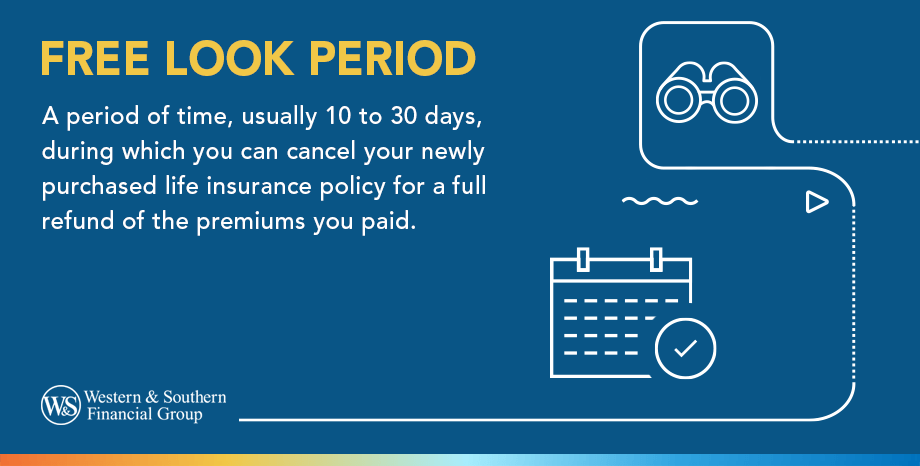
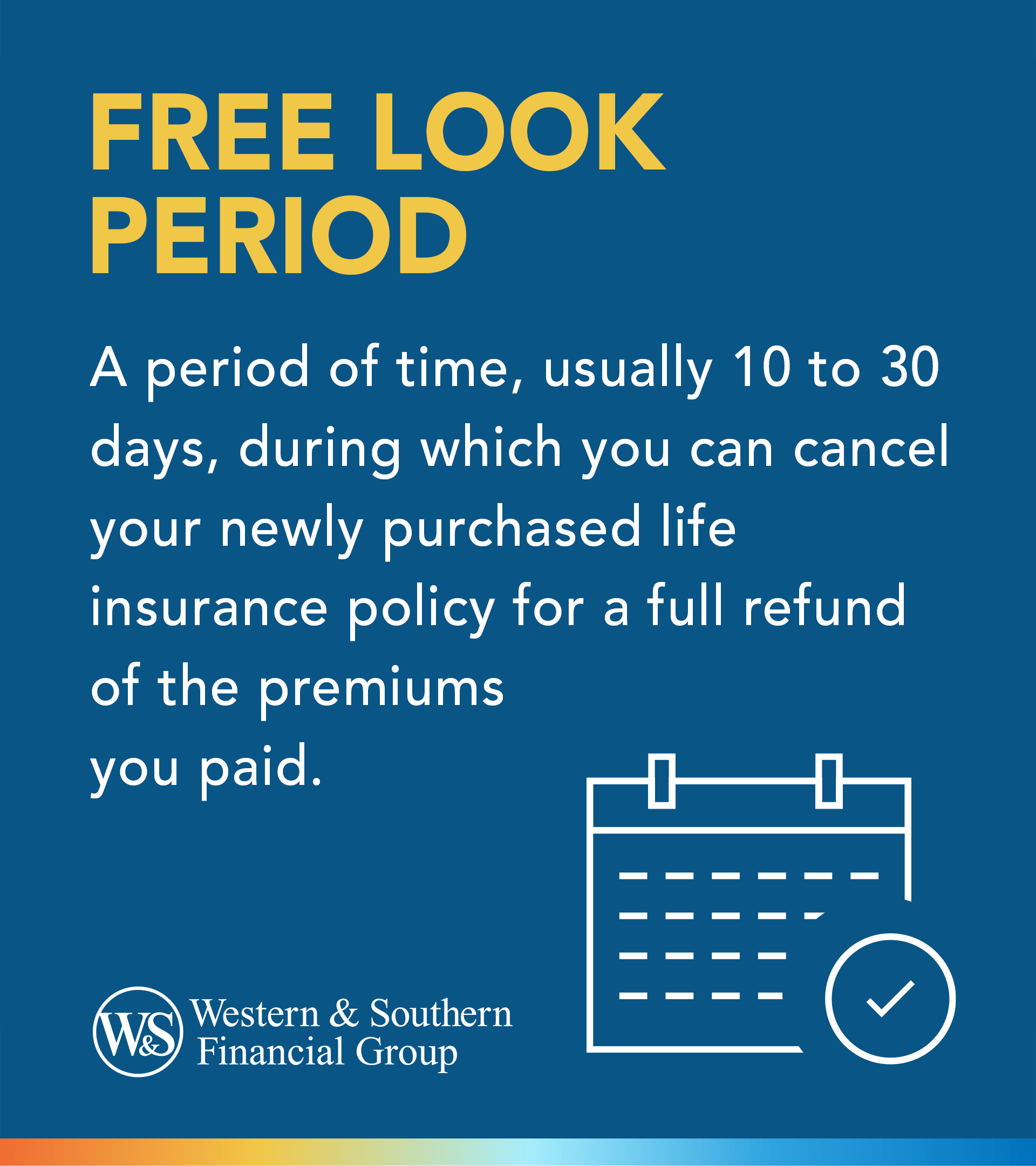
A free look period is a consumer protection built into most modern life insurance policies. It gives you the right to cancel a new policy within a set number of days, no explanation required. If you cancel during this window, the insurance company must refund any premiums you paid, with no surrender charges.
The free look period begins when you receive your policy. It typically lasts 10 days, though the exact timeframe depends on state law and can vary widely.
Because this window is limited, it’s worth reviewing your policy as soon as it arrives. Once the free look period ends, canceling the policy must follow the policy’s terms and may involve surrender charges or other fees.
When Does the Free Look Period Begin?
The free look period is a state required window that lets you review a new life insurance policy and cancel it without financial penalties. If you cancel before the period ends, the insurance company must refund your premium payments in full, with no surrender charges.
The free look period begins when you receive your life insurance policy.
How Long Is the Free Look Period?
All 50 states and Washington, D.C., require a free look period for life insurance policies. This gives you time to review a new policy and cancel it for a full refund if it does not meet your needs. In most states, the free look period is 10 days, though some allow 20 or 30 days. When you buy a policy, check your state’s rules so you know how much time you have to review your coverage.
What to Do During Your Free Look Period
You may already understand the main aspects of your insurance coverage, but your policy includes all terms and provisions, including details you may not have considered.
When you receive your policy, take time to read it carefully. If you have questions about your coverage or any policy provisions, contact your financial representative during the free look period. This review can help you decide whether to keep the policy or request a refund of premiums and possibly choose a product that better fits your needs before surrender charges apply.
If you decide to cancel, notify your insurance company or financial representative right away and ask about any requirements you must meet to use the free look period.
Final Thoughts
Overall, free look periods are a win for consumers. Because while this extra period of review could prove useful if any complications crop up, the goal is for you to end up with coverage that works for both you and your family.
Use your life insurance free look period to make sure your policy meets your needs. Request a Free Life Insurance Quote