What Is a Trust?
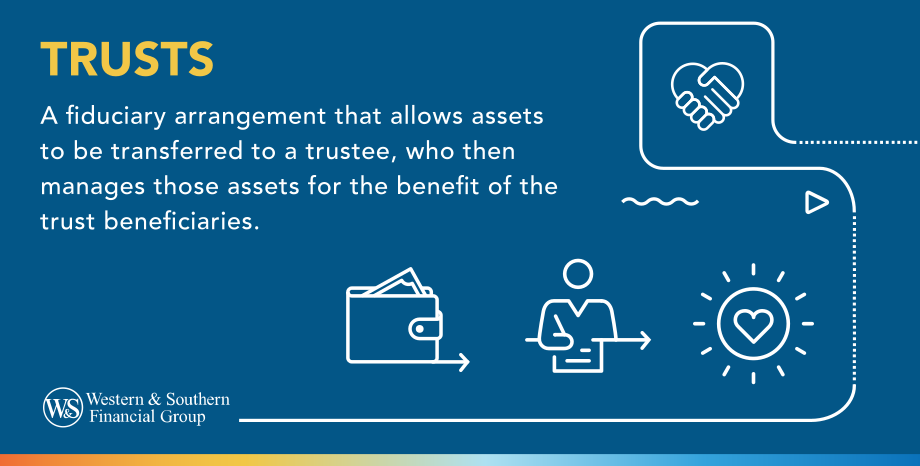
A trust is a legal arrangement that transfers assets from a creator, called a grantor or settlor, to a trustee. The trustee manages those assets for the benefit of the beneficiaries.1
Trusts are set up to control how assets are managed and distributed during life and after death. The legal document that creates a trust is called a trust agreement or declaration of trust. It outlines how assets will be handled and distributed.
Key Points About Trusts
- Avoid Probate: Assets in a trust typically bypass probate, which can reduce delays, costs, and public disclosure.
- Maintain Control: Grantors can manage or direct how assets are handled during their lifetime.
- Private Distribution: Assets can be passed to beneficiaries without going through the court process.
- Flexible Structure: Trust terms can be tailored for asset protection, tax considerations, and distribution preferences.
Why Use a Trust?
The primary purpose of a trust is to manage and protect assets for one or more beneficiaries. While the exact purpose depends on the type of trust and the goals of the grantor (the person or entity creating the trust), some common reasons include:
- Estate Planning: Trusts can help ensure assets are distributed to beneficiaries as the trustor intended after death. They may also help avoid the probate process, which can take time and add costs.
- Asset Protection: Some trusts can help protect assets from creditors or legal claims, especially when structured as irrevocable trusts.
- Tax Efficiency: Certain trusts may help reduce estate or gift taxes, which can allow more assets to pass to beneficiaries.
- Control Over Asset Distribution: Trusts allow the grantor to set rules for how and when assets are distributed. For example, funds can be released when a beneficiary reaches a certain age or meets specific conditions.
- Providing for Minors or Individuals With Special Needs: Trusts can provide ongoing support for minors until they reach adulthood. They can also support individuals with special needs without affecting their eligibility for certain government benefits.
- Charitable Giving: Charitable trusts can support organizations while offering potential tax advantages to the grantor.
While these are some of the main reasons to use a trust, trust structures can be adapted to fit a wide range of goals and situations.
Different types of trusts may be used based on your needs and overall situation. It is helpful to research your options before setting one up. Think about your goals, your family, and your preferences.
Trusts can be complex, but they can play an important role in managing and protecting your assets.
How Do Trusts Work?
A trust is an estate planning tool that allows a person to transfer assets to be managed and distributed under specific instructions. While details vary by type, the basic structure is similar.
Key Components of a Trust
- Establishment: A trust is created when a grantor (also called a settlor) transfers assets into a trust through a legal agreement. A living trust is created while you are still alive, and a testamentary trust created through a will and takes effect after death.
- Management: A trustee is appointed to manage the trust. This person or entity handles the assets and follows the instructions outlined in the trust document.
- Beneficiaries: Beneficiaries are the individuals or entities who receive assets or income from the trust based on its terms.
- Terms & Conditions: The trust document outlines how and when assets or income are distributed to beneficiaries.
Types of Trusts
Some of the common types of trusts include:
| Type of Trust | Description |
|---|---|
| A-B Trust | Used by married couples to manage estate taxes |
| Asset Protection Trust | Shields assets from future creditors or legal claims |
| Charitable Remainder Trust | Provides payments for a set time, with remaining assets going to charity |
| Discretionary Trust | Gives the trustee authority over when and how to distribute assets |
| Grantor Retained Annuity Trust | Transfers assets while reducing taxes on large gifts |
| Life Insurance Trust | Holds a life insurance policy outside of a taxable estate |
| Qualified Personal Residence Trust | Transfers a home to beneficiaries after a set period |
| Special Needs Trust | Supports individuals with disabilities while maintaining benefit eligibility |
Other Considerations
- Revocable vs. Irrevocable: Trusts can be either revocable or irrevocable. A revocable trust allows the trustor to alter or terminate the trust during their lifetime. In contrast, an irrevocable trust cannot be easily changed or terminated without the beneficiary's permission.
- Taxation: Tax treatment depends on the type of trust. Taxes may apply to the grantor, the trust, or the beneficiaries.
- Duration: A trust can last for a set period or continue based on specific conditions, such as the grantor’s death or a beneficiary reaching a certain age.
Consulting an estate attorney and financial advisor can help you understand the costs, benefits, and considerations before setting up a trust.
How to Choose a Trustee
Choosing a trustee is an important step when setting up a trust. You should select someone who is reliable, capable, and trustworthy. Here are key factors to consider:
- Understand the Role: Before selecting a trustee, understand their responsibilities. These may include managing investments, distributing assets, and preparing tax returns. The role can be time-consuming and complex. It often requires financial knowledge, good judgment, and strong ethics.
- Consider Professional Qualifications: If the trust is complex, you may want a trustee with experience in finance, law, or investing. This could include a lawyer, accountant, or financial advisor.
- Assess Reliability and Integrity: Choose someone you trust completely. They should have a record of being responsible, ethical, and fair in their decisions.
- Think About Longevity: Some trusts last for many years. Consider the age and health of the person you choose, especially if you are selecting an individual instead of an institution.
- Consider a Corporate Trustee: Banks and trust companies offer professional trustee services for a fee. These organizations can help manage complex trusts or reduce the risk of family conflict. They bring experience, consistency, and an unbiased approach.
- Evaluate Potential Conflicts of Interest: If a trustee could benefit from the trust or has close ties to beneficiaries, conflicts of interest may arise. This can affect decision-making.
- Consider Co-Trustees: You may choose to name more than one trustee. This can create checks and balances and help share responsibilities. However, co-trustees should be able to work well together to avoid disagreements.
- Review Fees: If you choose a professional or corporate trustee, review their fees. Make sure the cost fits the size and complexity of the trust.
- Talk With Potential Trustees: Have an open conversation with anyone you are considering. Share your expectations and confirm they are comfortable with the role.
- Plan for Succession: Your trustee may not be able to serve forever. Name a successor trustee in the trust document so there is a clear backup plan.
- Reevaluate Over Time: Life changes can affect your choice. Review your trustee selection from time to time and make updates if needed.
The right trustee depends on your trust, your relationships, and your situation. Take time to review your options and speak with a qualified attorney or financial professional before making a decision.
Pros: What Are the Benefits of a Trust?
Trusts offer a variety of benefits, serving different needs and objectives. Here are some of the advantages of establishing a trust:
- Avoid Probate: Probate can be time-consuming, public, and costly. Assets held in a trust bypass the probate process, allowing for a quicker and often more private distribution to heirs.
- Control Over Assets: With a trust, the grantor (the person creating the trust) can dictate specific terms for asset distribution, ensuring that assets are used or distributed according to their wishes.
- Protection from Creditors: Properly set up trusts can shield assets from creditors, lawsuits, and divorcing spouses.
- Tax Benefits: Trusts can provide tax advantages, including minimizing estate taxes and facilitating charitable giving strategies.
- Privacy: Unlike wills, which become public records during probate, trusts can maintain the confidentiality of the grantor's wishes and the details of the assets.
- Protection in Incapacity: A trust can manage and distribute assets without court involvement if the person who created it becomes incapacitated.
- Multigenerational Planning: Trusts can be structured to benefit several generations, ensuring that assets remain within and benefit the family for an extended period.
- Charitable Giving: Charitable trusts allow individuals to support charitable causes while enjoying tax benefits.
- Special Needs Planning: Special needs trusts are designed to provide supplemental resources to individuals with disabilities without jeopardizing their eligibility for government assistance programs.
Cons: What Are the Drawbacks of a Trust?
While trusts offer numerous benefits, they also have potential drawbacks when contemplating their use. Here are some of the disadvantages of trusts:
- Setup and Administrative Costs: Creating a trust involves legal fees for expert guidance, especially for intricate ones, and can also include yearly costs like trustee fees, tax filing, and accounting expenses.
- Complexity: Managing a trust, particularly a complex one, can be daunting. There's a need to understand trust laws, the responsibilities and duties of a trustee, tax implications, and more.
- Irrevocability of Certain Trusts: Some trusts, once established, cannot be altered or revoked. While this can serve specific estate planning goals, it can also be restrictive if circumstances change or if there are unintended consequences.
- Potential Tax Consequences: Depending on the type and structure of the trust, there can be tax implications. For instance, trust income may be taxed higher than individual income.
- Loss of Personal Control: For irrevocable trusts, the grantor relinquishes control of the assets transferred into the trust, meaning they can't easily access or use those assets, even if they later wish to.
- Rigidity: While trusts can be tailored to specific situations, they can also be rigid, mainly if not correctly structured.
- Loss of Beneficial Tax Breaks: Assets in certain trusts may not qualify for specific tax breaks, such as the step-up in basis upon death, potentially resulting in higher capital gains taxes for beneficiaries.
When considering the establishment of a trust, it's crucial to weigh these potential drawbacks against the benefits tailored to individual circumstances and goals. Consulting with an experienced estate planning attorney can help you understand these intricacies and make informed decisions.
How Much Does a Trust Cost?
Establishing a Trust involves several costs, which can vary widely depending on the type of trust, the complexity of the estate, the attorney's fees, and the jurisdiction. Although it's challenging to offer an exact price without detailed information, let's examine the overall financial considerations:
- Attorney's Fees: Legal fees for a Trust may range from a few thousand to several thousand dollars, and they can be higher for complex trusts.
- Trustee Fees: When managing a trust, bank or professional trustee fees are typically a percentage of the trust's assets and can vary with the trust's complexity and services provided. Individuals serving as trustees often incur lower costs, including compensation and management expenses.
- Administrative Costs: Filing trust documents, preparing tax returns, and managing trust finances, especially for large or complex estates, require continuous management and may incur costs and accounting fees.
- Asset Management Fees: Investment advisory fees will apply if the trust's assets are actively managed. Property management fees may be incurred if real estate is held within the trust.
- Ongoing Operational Costs: Additional expenses may be incurred in managing and executing income distributions, particularly if professional services are required for detailed record-keeping.
Given the range of costs involved in setting up and maintaining a Trust, it is crucial to obtain detailed estimates from attorneys, trustees, and other professionals before proceeding.
How Are Trusts Taxed?
Trusts are taxed differently depending on their structure.
- Revocable Trusts: These are treated as grantor trusts for tax purposes. This means all income, deductions, and credits are reported on the grantor's personal tax return, and the trust does not pay income taxes. The IRS views the assets in a revocable trust as belonging to the grantor.2
- Irrevocable Trusts: These are separate tax entities. The trust is responsible for paying taxes on any income it generates, based on trust tax rates, which can be higher than individual rates. If the trust distributes income to beneficiaries, that income is usually taxed to the beneficiaries at their individual tax rates. They must report it on their personal tax returns.
Trusts must file an annual tax return if their taxable income or total assets exceed certain limits. Tax obligations can vary based on the trust’s income, the type of earnings, and the distribution rules outlined in the trust document.
Tax laws can change and may vary widely. The rules that apply when a trust is created may not be the same in future years. Some states have their own estate or inheritance taxes, while others may tax trust income differently than the federal government.
Because of the complexity and potential tax impact, individuals who are considering a trust should work with estate planning attorneys, tax professionals, and financial advisors. These professionals can help structure the trust to improve tax efficiency and reduce estate taxes while supporting the grantor’s goals for family and charitable giving.
Is a Trust Right for You?
Whether or not a trust is worth it depends on your circumstances and financial goals. Trusts can offer many benefits, including asset protection, tax benefits, control over how your assets are distributed, privacy, and flexibility. However, they can also be complex and expensive to create and maintain.
Here are some things to consider when deciding whether or not a trust is worth it for you:
- The size and complexity of your estate: A trust may not be necessary if your estate is relatively small and straightforward. However, if your estate is large or complex, a trust can help you manage and protect your assets more effectively.
- Your family situation: If you have minor children or disabled family members, a trust can help ensure their needs are met after you are gone. A trust can protect your assets from creditors or lawsuits if you have financially irresponsible family members.
- Your tax situation: Trusts can be used to reduce estate and gift taxes. However, consulting with a tax advisor for tax planning is essential to determine how a trust would affect your tax liability.
- Your financial goals: Trusts serve multiple financial objectives, including supporting your grandchildren's education, creating a charitable legacy, or guaranteeing that your assets are allocated to your heirs as you desire.
Final Thoughts
Trusts offer a powerful addition to your estate planning toolkit. Exploring trusts could be a wise decision if you want more control over your assets, privacy for your affairs, and greater efficiency for your beneficiaries.
Sources
- Trust - Cornell Law School. https://www.law.cornell.edu/wex/trust.
- Definition of a Trust - Internal Revenue Service (IRS). https://www.irs.gov/charities-non-profits/definition-of-a-trust.