What Is the 50-30-20 Rule?
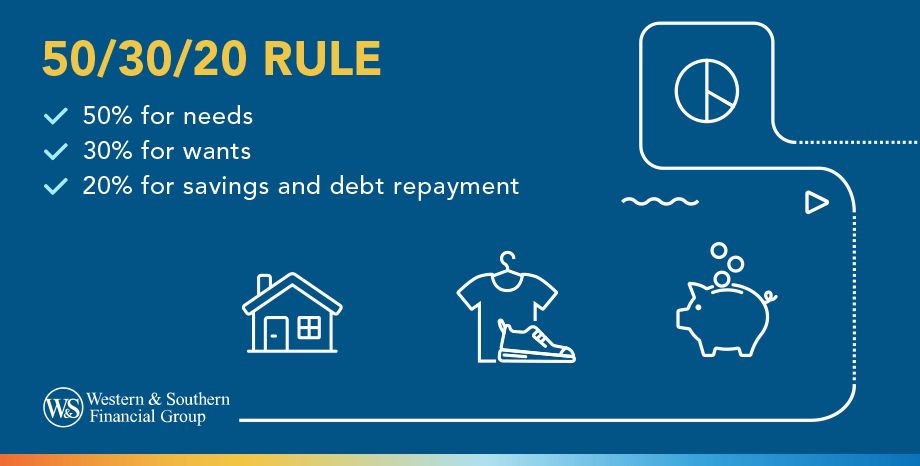
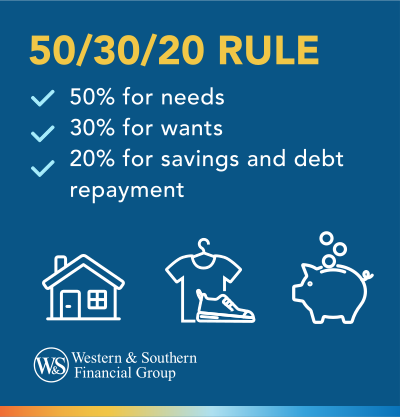
The 50-30-20 rule is a simple and widely used budgeting method that helps individuals divide their household income into three main expense categories:
- 50% for needs (important expenses)
- 30% for wants (discretionary spending)
- 20% for savings and debt repayment
The 50-30-20 budget offers a structured way to manage money each month. It makes budgeting easier by using set percentage guidelines, which can help you see where changes may be needed. This rule can also help you build an emergency fund, pay off debt such as student loans, or invest, while keeping spending balanced.
This budget is flexible and can adjust to different situations. While the standard split is 50-30-20, some people may change these percentages to match their goals. For example, they may increase savings to 30% and reduce discretionary spending to 20%. The goal is to keep a balance that supports long-term progress without putting too much pressure on daily expenses.
How the 50-30-20 Rule Works
The 50-30-20 rule divides your after-tax income into clear categories. This structure can help keep spending aligned with your goals.
Under this budget rule, your after-tax income is divided into three categories.
50% for Needs
These are required expenses you need to cover each month:
- Rent or mortgage payments
- Utilities such as electricity, water, and internet
- Groceries
- Insurance including health, auto, and home
- Transportation such as car payments, fuel, or public transit
- Minimum debt payments for credit cards, student loans, or personal loans
30% for Wants
These are non-essential expenses that support your lifestyle:
- Dining out
- Entertainment and streaming subscriptions
- Gym memberships
- Travel
- Hobbies and recreational activities
- Designer clothing and luxury items
20% for Savings and Debt Repayment
This portion focuses on building savings and reducing debt:
- Emergency fund contributions
- Savings for short-term and long-term goals
- Retirement contributions such as a 401(k) or IRA
- Extra debt payments beyond the minimum
- Investments
Real-Life Examples of the 50-30-20 Rule
Example 1: If your household income after taxes is $5,000 per month, your budget would be:
- $2,500 for needs
- $1,500 for wants
- $1,000 for savings and income to savings contributions
This structure helps maintain financial balance while helping ensure future security.
Example 2: If your household income after taxes is $3,000 per month, a 50-30-20 budget might look like this:
- $1,500 for needs
- $900 for wants
- $600 for savings and debt repayment
This breakdown allows you to stay financially disciplined while still having room for discretionary spending and future planning. Setting up a monthly budget with automated transfers can further streamline the process and prevent financial mismanagement.
Pros & Cons of the 50-30-20 Rule
Like any budgeting system, the 50-30-20 rule has its strengths and weaknesses. Understanding these can help you determine if it aligns with your financial situation and goals.
Below are some key advantages and limitations to consider.
Advantages
- Easy to Follow: This method is simple and requires only basic tracking.
- Encourages Balanced Spending: It helps limit overspending on wants while helping you set aside money for savings.
- Flexible and Scalable: It can work across different income levels by adjusting the percentages.
- Helps Prioritize Savings: It guides you to direct at least 20% of your monthly income toward future goals.
- Supports Debt Reduction: Setting aside money for debt payments can lower interest costs over time.
- Automates Money Management: Using direct deposit to split funds into separate accounts can help build consistent habits.
Limitations
- May Not Suit High-Cost Areas: In places with high housing costs, keeping needs within 50 percent of income may not be realistic.
- Does Not Fit All Goals: People who want to save more for retirement or pay off debt faster may need a different approach.
- Lacks Detailed Tracking: It does not account for every dollar like zero-based budgeting.
- Not Ideal for Variable Income: Freelancers or gig workers with changing income may find fixed percentages harder to follow.
- May Blur Needs and Wants: Some expenses, such as healthcare or childcare, do not always fit neatly into one category and may require adjustments
How to Implement the 50-30-20 Rule
Implementing the 50-30-20 rule requires a clear approach to managing your money. By following these steps, you can create a structured budget that supports stability while working toward your goals.
Step 1: Calculate Your After-Tax Income
Start with your monthly income after deductions:
- If you receive a paycheck with taxes withheld, use the net amount.
- If you are self-employed, subtract estimated taxes.
Include additional income sources such as bonuses, freelance work, or rental income to help ensure an accurate total of your available funds.
Step 2: Categorize Your Expenses
Track your spending habits to determine how much goes toward needs, wants, and savings. Reviewing past monthly expenses can show where your money is going. Categorizing each expense correctly helps maintain a realistic budget and identify areas for improvement.
Step 3: Adjust Spending to Fit the Rule
- If your needs exceed 50%, look for ways to reduce fixed costs by refinancing loans, negotiating bills, or cutting unused subscriptions.
- If your savings fall short of 20%, automate direct deposits into savings accounts or retirement funds to make saving a priority.
Adjust discretionary spending, such as dining out or impulse purchases, to stay within the recommended limits.
Step 4: Automate Savings and Debt Payments
Set up automatic transfers for retirement contributions, emergency funds, and savings accounts to help ensure consistency. Many banks allow you to split direct deposit payments into multiple accounts, which makes it easier to follow your budget without managing transfers each month.
Automation can also reduce the temptation to overspend and help keep your goals on track. You can also use a budget app to track your spending.
Alternatives to the 50-30-20 Rule
While the 50-30-20 rule is a popular budgeting framework, it may not suit everyone’s financial situation. Exploring these alternative budgeting strategies can help individuals find a method that aligns better with their income, spending habits, and financial goals:
- The 80/20 Rule: Focuses on saving 20% of income, with the remaining 80% used for spending.
- Zero-Based Budgeting: Assigns every dollar a specific purpose to help ensure detailed control.
- Envelope System: Uses cash for different spending categories to limit overspending.
- Reverse Budgeting: Prioritizes saving first by setting aside a fixed amount before covering other expenses.
- The 60/20/20 Budget: Allocates 60% to necessities, 20% to savings and debt repayment, and 20% to discretionary spending. This approach may work better in higher-cost areas.
- The 70/20/10 Rule: Divides income into 70% for living expenses, 20% for savings or investments, and 10% for charity or debt repayment.
- The 40/40/20 Rule: Splits income into 40% for needs, 40% for wants, and 20% for savings and debt repayment.
Each of these budgeting systems offers a different level of structure and flexibility, allowing you to choose an approach that fits your situation and long-term goals. You may also consider speaking with a financial advisor to review your options.
Is the 50-30-20 Rule Right for You?
This budgeting method works well for people who want a structured but flexible way to manage money. It provides clear spending guidelines while allowing adjustments based on personal goals. However, those with high debt may need a more focused repayment strategy, such as the debt snowball or avalanche method.
Freelancers or gig workers may prefer a budget that adjusts based on income changes. People focused on long-term savings or early retirement may benefit from a savings-first approach like reverse budgeting. Reviewing your situation and priorities can help you choose a system that supports steady progress.
Final Thoughts
The 50-30-20 budget offers a simple way to manage household income, balance spending, and prioritize savings. Whether you are starting out or refining your habits, this approach can help build a strong foundation for long-term stability.
By using savings accounts, managing monthly expenses, creating a monthly budget, and making consistent retirement contributions, you can build greater control and flexibility over time.





















.jpg?rev=b30888445a984cb9af391aebc08860da&la=en&h=130&w=270&hash=811D9A81F81B2D381CDBDE831D4D12BA)