As your parents get older, their health may become a larger focus for both of you. During visits, you might pay closer attention to how they move or how well they remember things. Their finances deserve the same care. As people age, managing money can become harder, and mistakes may be more difficult to fix over time.
The right time to think about protecting your elderly parents' assets is before serious health issues arise. These talks can feel uncomfortable and emotional. Still, they matter.
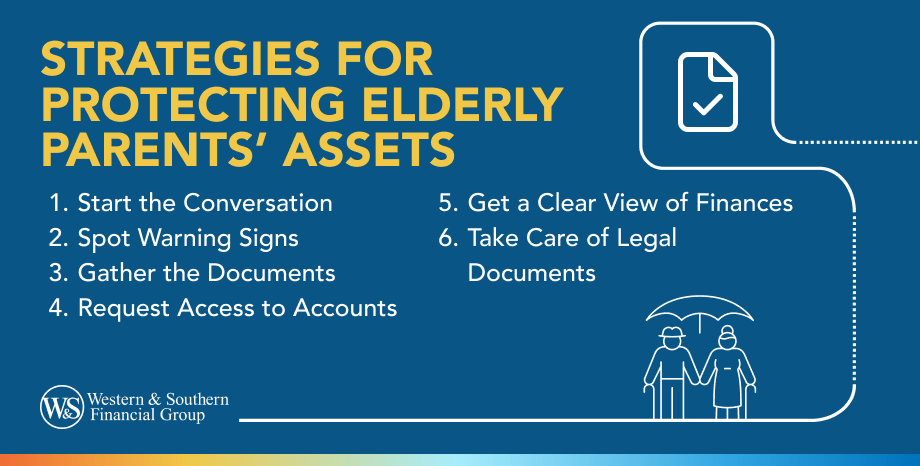
As your parents grow older, talk with them about their needs and wishes. This can help support them when they can no longer manage money on their own. Here are six strategies to help protect your parents' assets and long-term stability.
1. Start the Conversation Early
Talking with your parents about money may feel uncomfortable. They may resist or feel upset. Approach the topic with empathy, care, and respect.
Many people struggle with the emotions that come with aging. Try to begin these talks before health or memory problems appear, possibly even before retirement. This helps everyone agree on what to do if your parents become sick and need support later.
Managing finances does not have to be all or nothing. You can take small steps over time. Let them know you are there to help lighten the load so they can focus on enjoying retirement.
Start by asking questions and listening carefully. Consider asking:
- Have you been saving for retirement?
- What does your ideal retirement look like?
- What savings or debts do you have?
- Do you have a will or legal documents like a power of attorney?
- Have you planned for long-term care if you become sick or cannot care for yourself? Also, do you have long-term care insurance to help pay for it?
- Can I meet your doctors and have a list of medications you take?
- Can we meet with your lawyer, accountant, or other professionals to review your retirement and estate arrangements?
- Do you have funeral or end-of-life wishes?
Some of these questions may feel difficult. Still, having this information early can prevent added stress during a medical emergency. Keep that in mind when you begin the conversation.
2. Spot Potential Warning Signs
Not every family has time to talk about finances before problems arise. Many older adults face illnesses or memory conditions such as dementia or Alzheimer’s.1 Even when things appear normal, health changes can affect money management.
Watch for warning signs, especially if your parents live alone, such as:
- Memory or mobility problems
- Calls from creditors
- Piles of unopened mail or unpaid bills
- Large or unusual purchases
- A new person offering to manage money or promising investment opportunities
Remind your parents about common scams that target older adults. Encourage them to speak up if something feels wrong. If you live far away, ask someone you trust to check in regularly and share updates.
3. Gather the Documents You Need
Once your parents agree to your help, gather information about their finances. This gives you a clear understanding of what needs attention.
Collect important documents. It may take time, especially if records are not organized. Stay patient. Having everything ready can make a big difference during an emergency.
Important documents include:
|
|
It's a lot of information. One way to keep track of it all is by organizing copies in a binder and store it in a secure place. If you keep digital copies, create a backup. You may also provide copies of key documents to an attorney.
Help create a clear strategy for your parents with a retirement plan. Start Your Free Plan
4. Request Access to Their Accounts
Sometimes, accessing account information is simple. Other times, you may need legal authorization. Consider these options:
- Become a joint account holder
- Be added as an authorized signer
- Serve as a representative payee for Social Security benefits2
- Be named as financial power of attorney
- Obtain a signed HIPAA release form for medical record3
These steps can make it easier to step in if your parents need support.
5. Get a Clear View of Their Finances
After gaining access, review urgent issues first. Look for unpaid bills or outstanding debts. Review credit reports for signs of identity theft.
If you're working with your parents to coordinate their money, you can also simplify money management. Setting up automatic bill payments may reduce missed payments and stress.
Speaking with professionals can also help:
- A financial professional can review income sources and expenses and suggest ways to make funds last through retirement.
- An accountant can review tax matters and identify savings opportunities.
- An elder law attorney can answer questions about long-term care, patient rights, and estate documents.4
These professionals work with families in similar situations and can provide helpful guidance.
6. Take Care of Legal Documents
Another way of protecting elderly parents' assets is to make sure your parents’ legal documents are current.
Financial Power of Attorney
If your parents have not named a financial power of attorney (POA), now may be the time to talk about it. A POA gives you authority to manage their finances and clearly defines what you can and cannot do.
If your parents want that authority to continue if they become incapacitated, they must name a durable power of attorney. Without the durable designation, the POA ends if they become incapacitated.
Health Care Documents
You can do the same thing for your parents' health care. Consider these options:
- Durable Health Care POA: Allows you to communicate their wishes about treatment and end-of-life care.
- Living Will: Outlines the medical care they prefer if they become incapacitated.
These documents work together to clarify medical decisions if your parents cannot speak for themselves.
Review or Create A Will
Review your parents’ will to confirm it reflects their current wishes. If they do not have one, consider working with an elder law attorney to create one. A valid will can reduce the time and complexity of probate, which can take months or even years after death.
Work With an Attorney
An attorney can explain these documents and confirm your parents’ wishes are properly documented. If circumstances change, such as updating beneficiaries or adding a sibling as POA, ask the attorney to revise the documents as needed.
Keep the Conversation Going
Helping your parents manage finances may feel challenging at first. Staying organized and communicating openly can make the process smoother.
Set aside time each month to review accounts and address concerns. Ask questions, listen carefully, and involve professionals when needed. Taking steady steps now can help protect your parents’ assets, reduce future stress, and provide clarity for the entire family.
Begin estate planning talks to help protect your parents’ future. Start Your Free Plan
Sources
- The Top 10 Most Common Chronic Conditions in Older Adults. https://www.ncoa.org/article/the-top-10-most-common-chronic-conditions-in-older-adults/.
- When People Need Help Managing Their Money. https://www.ssa.gov/payee/.
- HIPAA Release Form. https://www.hipaajournal.com/hipaa-release-form/.
- National Elder Law Foundation. https://www.nelf.org/.