Economic recessions are not always predictable and can sometimes occur suddenly. During the coronavirus pandemic, many people wondered how they could prepare for a recession. Their concern is understandable. These economic downturns can affect many areas of personal finance, especially investments. Because of this, it can help to know how to prepare for a recession.
Learning the basics of what to expect during an economic downturn is a good place to start. Then, you can make more informed decisions about how to build or strengthen your finances.
Preparing for a Recession: What to Expect
A recession is generally defined as a decline in gross domestic product (GDP) for two consecutive quarters. Recessions are often marked by lower demand for products and services, along with rising unemployment as businesses reduce their workforce.
A full economic cycle, which includes a recession, typically lasts between five and seven years. The average length of a recession is about 6 to 18 months.1 A bear market for stocks, defined as a 20% or greater drop in prices from a previous high, often occurs during a recession.2
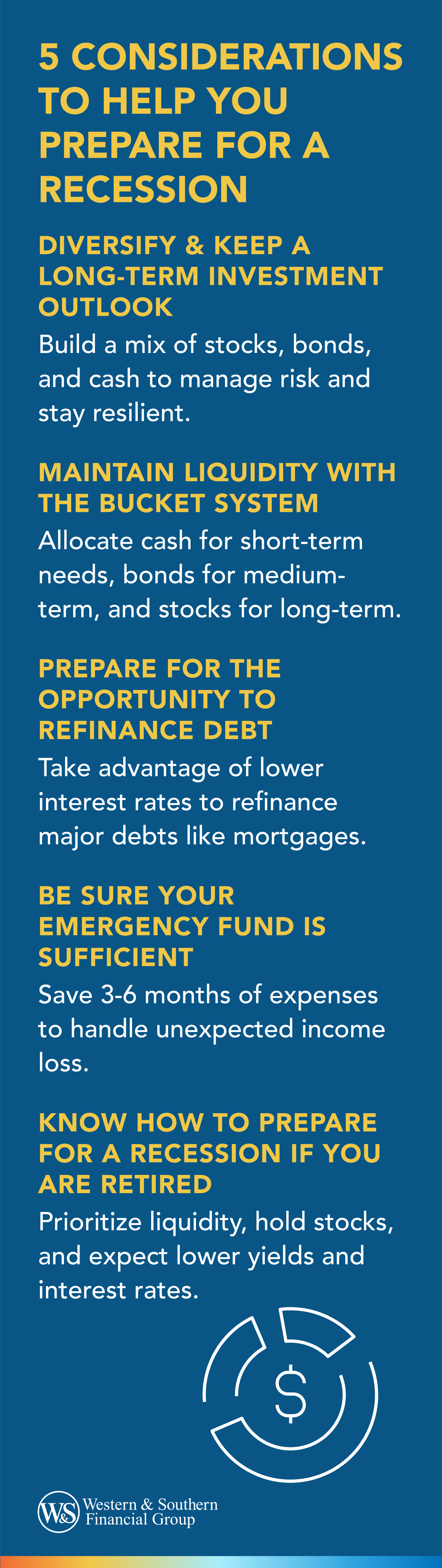
When reviewing your finances during a recession, here are five strategies to consider.
1. Diversify & Keep a Long-Term Investment Outlook
A well-constructed investment portfolio can help you manage an unexpected recession. When building or reviewing your portfolio, check that you are diversified across different asset classes, such as stocks, bonds, and cash. Diversification does not guarantee a profit or protect against losses in a declining market.
It's also helpful to maintain diversification within each asset class. For example, the stock portion of your portfolio can be spread across categories like large-cap stocks, small-cap stocks, and international stocks.
2. Maintain Liquidity With the Bucket System
The bucket system helps organize your portfolio so you have access to cash when you need it, even during a recession. If markets decline, this approach can help you avoid selling long-term investments at a loss by using funds set aside for short-term needs.
How the Bucket System Works
| Bucket Type | Time Horizon | Where to Allocate |
|---|---|---|
| Cash Bucket | 3 to 6 months | Cash or cash equivalents |
| Bond Bucket | 2 to 5 years | Bonds or bond mutual funds |
| Stock Bucket | 5+ years | Stocks or stock mutual funds |
If you expect to withdraw money in the near future, this strategy may help you stay invested while managing short-term needs.
Keep in mind that all investments involve risk and may lose value. While this approach spreads assets across different categories, all asset classes can decline at the same time.
3. Prepare for the Opportunity to Refinance Debt
During a recession, the Federal Reserve may lower interest rates to help stimulate the economy. This may be a good time to review your largest debts, such as a mortgage, and consider consolidating or refinancing them at lower rates.
To stay ready for refinancing, consider reviewing your credit report each year at AnnualCreditReport.com.3 At this site, you can view your official FICO score from all three credit bureaus: Equifax, Experian, and TransUnion.
4. Be Sure Your Emergency Fund is Sufficient
A common rule of thumb suggests keeping three to six months of living expenses in an emergency fund. This amount helps cover a situation where you lose your main source of income. In that case, it may take several months or longer to replace that income. Keeping enough savings set aside can help you manage expenses during that time.
5. Know How to Prepare for a Recession If You Are Retired
For retirees, preparing for a recession is not very different. Depending on your situation, you may need to focus more on a few key areas of your retirement planning. If a downturn happens after you leave the workforce, here are a few actions to consider:
- Maintain focus on liquidity: If you rely on investments for income, remember that recessions often bring lower stock prices and reduced dividend yields. You may need to rely more on cash accounts during this time.
- Prepare to hold stocks: Try to avoid selling stocks when prices are low. Holding your investments may give them time to recover.
- Expect lower yields and interest rates: Lower rates can help with refinancing debt, but they may also reduce returns on dividend stocks, savings accounts, and certificates of deposit.
Bottom Line
While recessions may share certain similarities, each economic downturn is unique in terms of its cause, intensity and duration. Also, each person's financial goals are unique, which means that the way you prepare for a recession will also be unique. For this reason, you may consider seeking the guidance of a financial professional, who can help you prepare for a recession in a way that suits you best.
Sources
- How Long Do Recessions Last? https://smartasset.com/financial-advisor/how-long-do-recessions-last.
- Bear Market? Don’t Panic. Here’s How To Invest During One. https://www.nerdwallet.com/investing/learn/how-to-invest-during-a-bear-market.
- Annual Credit Report.com. https://www.annualcreditreport.com/index.action.