
Many people know their heart rate, blood pressure, or step count, but what about their financial vitals? Understanding figures like net worth, monthly spending, debt balances, and retirement readiness can help provide a clearer picture of overall financial health.
To see how closely Americans track these numbers, Western & Southern surveyed more than 1,000 people about their financial awareness and habits. The findings reveal significant knowledge gaps, common sources of financial anxiety, and growing interest in technology-driven money management. They also highlight which financial metrics Americans know best, and which they tend to avoid.
America's Financial Blind Spots
Knowing key financial numbers is often considered a basic part of money management. Yet many people struggle to keep track of some of the most important measures of financial health.
Overall, 75% said they could not estimate their net worth without checking any apps or accounts. Even more concerning, a quarter have never calculated it.
Gen Z was the most likely generation to have never calculated net worth (39%), followed by millennials (27%), Gen X (21%), and baby boomers (13%). A higher share of women than men said they had never completed the calculation (31% vs. 18%).
Even among those who had calculated their net worth, 2 in 5 said they were not confident that their most recent net worth figure still reflected their current financial situation. This suggests many may not update their financial snapshots regularly.
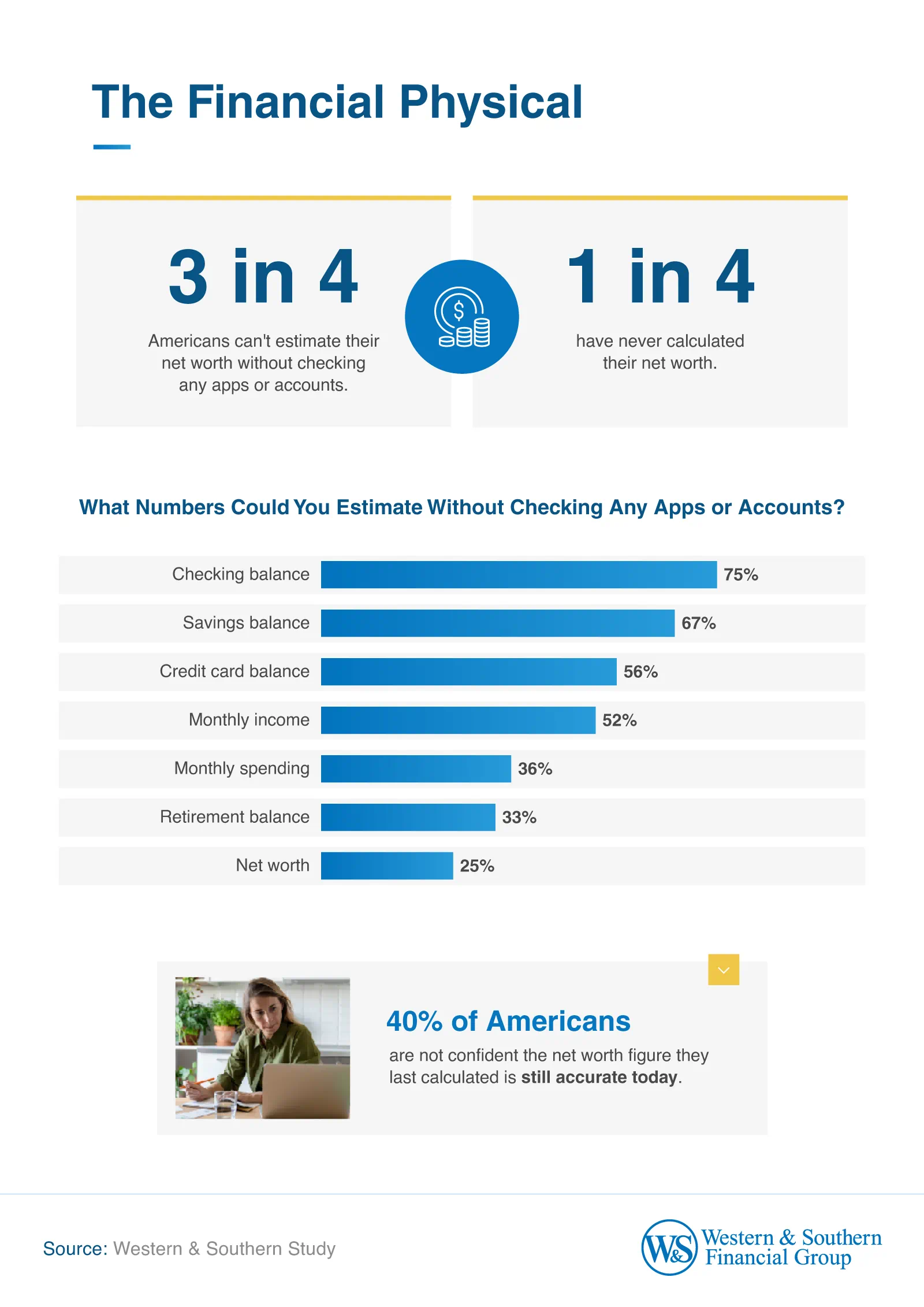
Many respondents appeared more familiar with savings than debt. Respondents were nearly 20% more likely to know their savings account balance than their credit card balance. When asked if they could estimate what they spent during the previous month within about $200, 59% said yes, while 29% said no.
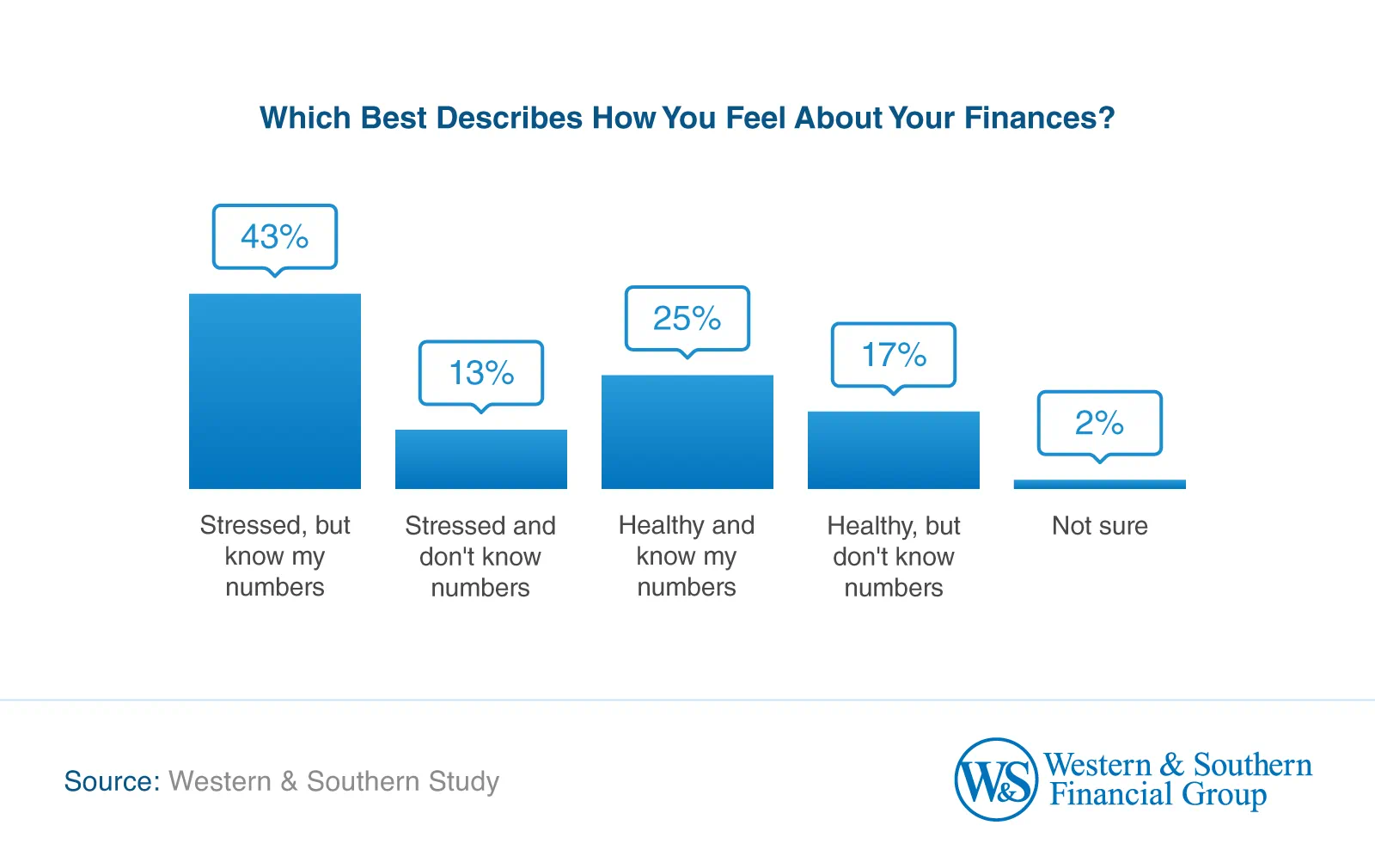
More than half of Americans surveyed (56%) described their overall financial situation as stressful, though most of that group said they still know their numbers well. Among this group, 43% said they knew their numbers, while 13% felt stressed without knowing their numbers.
On the other side, 25% felt financially healthy and informed, and another 17% felt healthy despite not tracking their numbers closely. Only 2% were unsure how they felt.
Money Management & Retirement Outlooks
Financial awareness often increases when concerns arise. Respondents said the following usually cause them to take a closer look at their finances:
- Large purchases (25%)
- Upcoming bills or payment due dates (24%)
- Paycheck arrivals (10%)
- Tax season (8%)
- Major life events (7%)
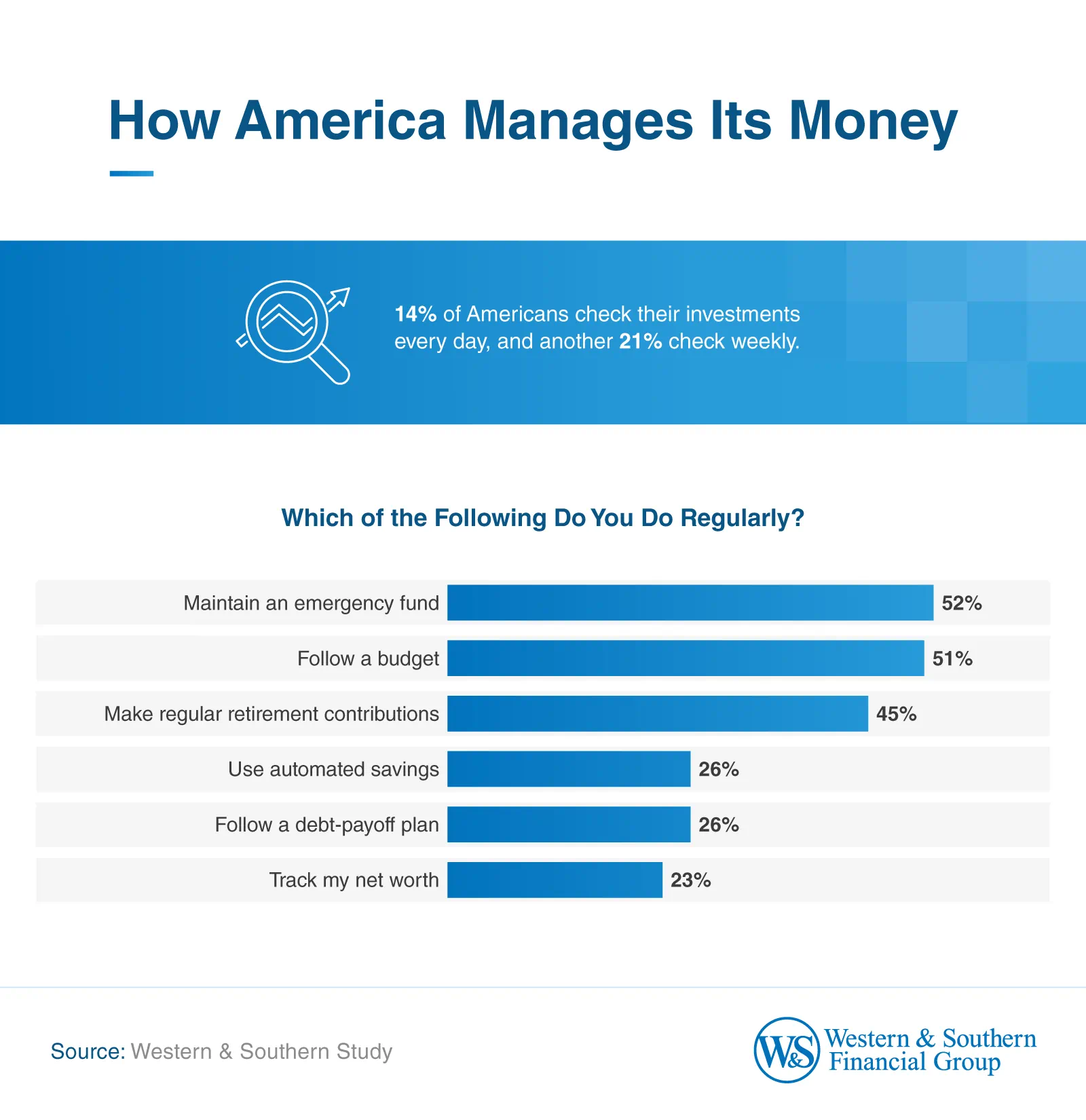
Many respondents also rely on automated systems to stay financially disciplined. Nearly half (47%) reported using autopay for bills, while 40% depend on automatic investing or 401(k) contributions. Another 32% use high-yield savings accounts.
Anxiety becomes far more common when people focus on a single figure rather than their finances as a whole. When asked which specific number worries them most, 88% named at least one, and only 12% said no number causes them anxiety. Among this group, their top concerns were:
- Credit card balances (24%)
- Day-to-day spending (21%)
- Savings levels (18%)
- Retirement savings (11%)
- Student loan debt (8%)
Forty-four percent of Americans surveyed admitted they had delayed checking accounts or bills because they felt anxious about what they might find. Gen Z was the most likely generation to do so, with 49% reporting this behavior.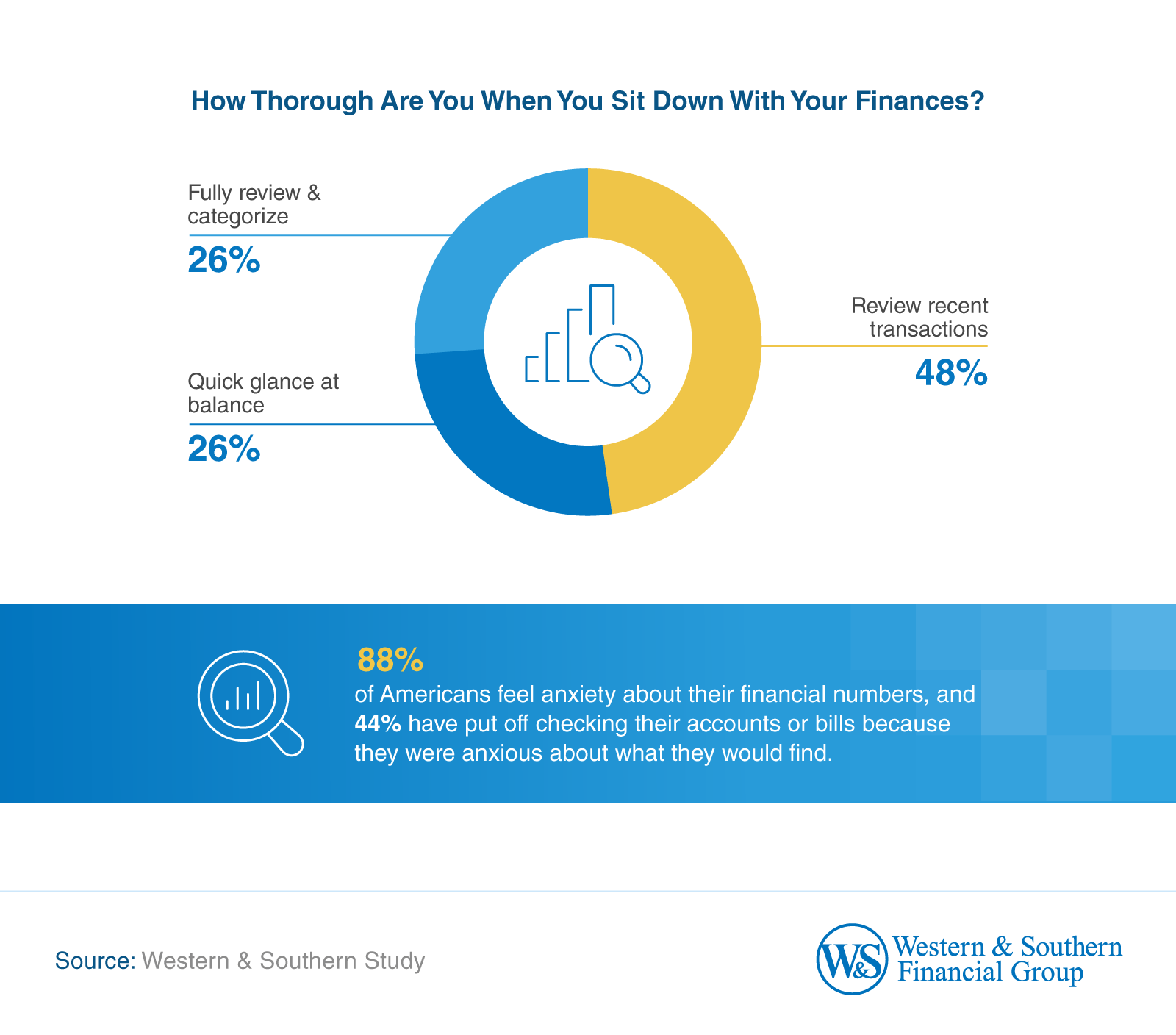
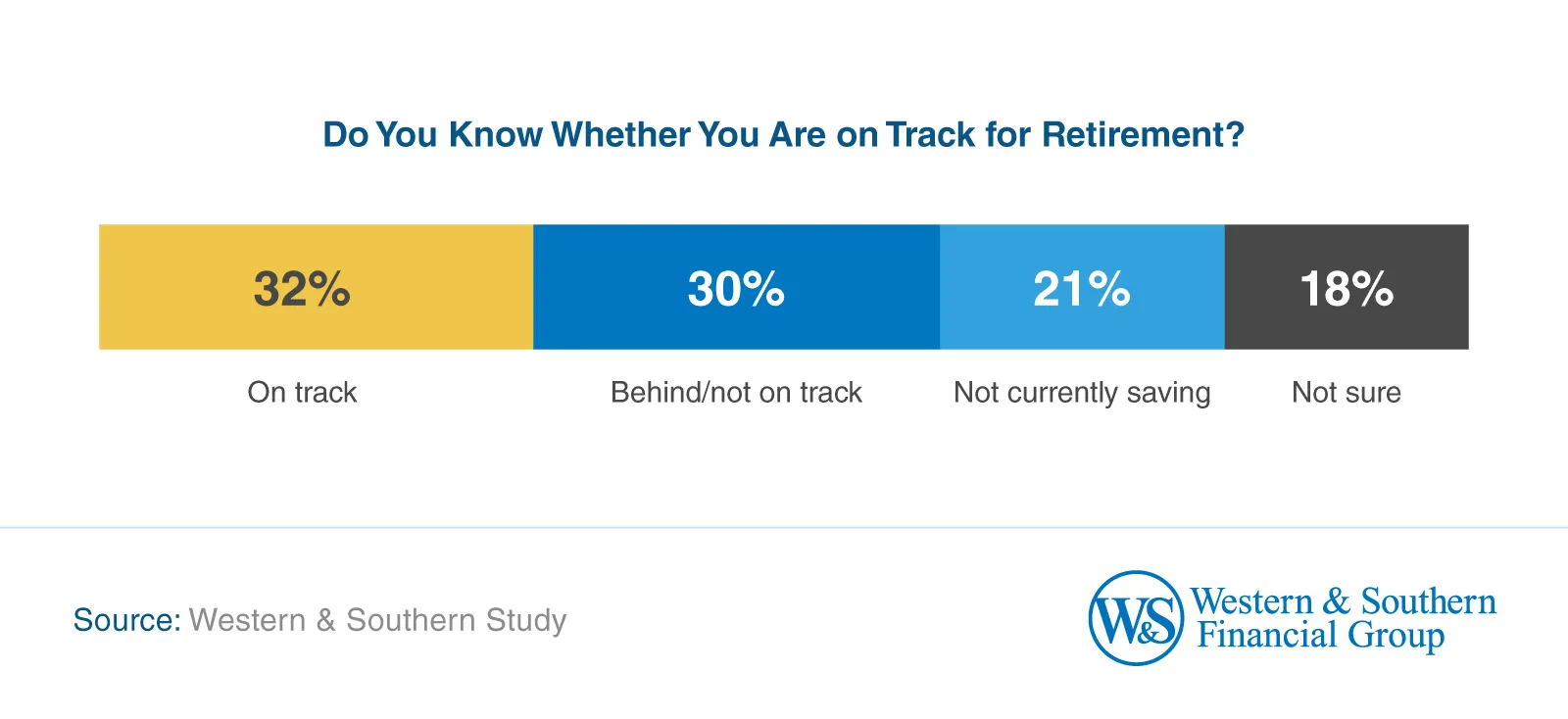
Only 32% of respondents said they could confirm they were on track for retirement . The rest were behind, not saving money, or unsure of their status.
AI's Growing Role in Financial Decisions
Artificial intelligence is becoming a larger part of everyday financial management, but many Americans surveyed remain cautious about handing over major decisions.
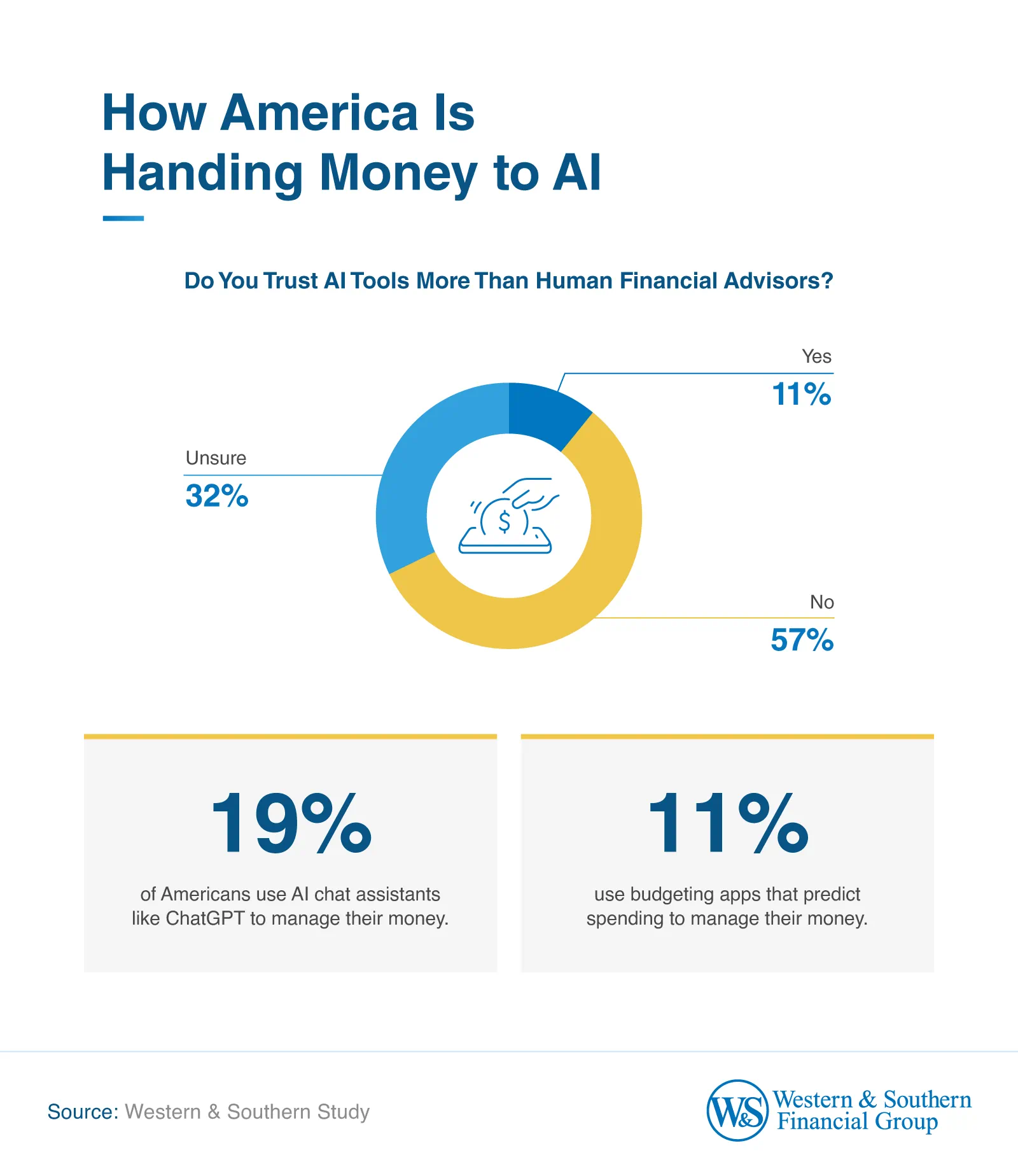
Nearly 3 in 10 (29%) said they currently use AI tools to help manage their finances. However, trust in the technology remains limited. Just 11% said they trust AI more than a human financial advisor.
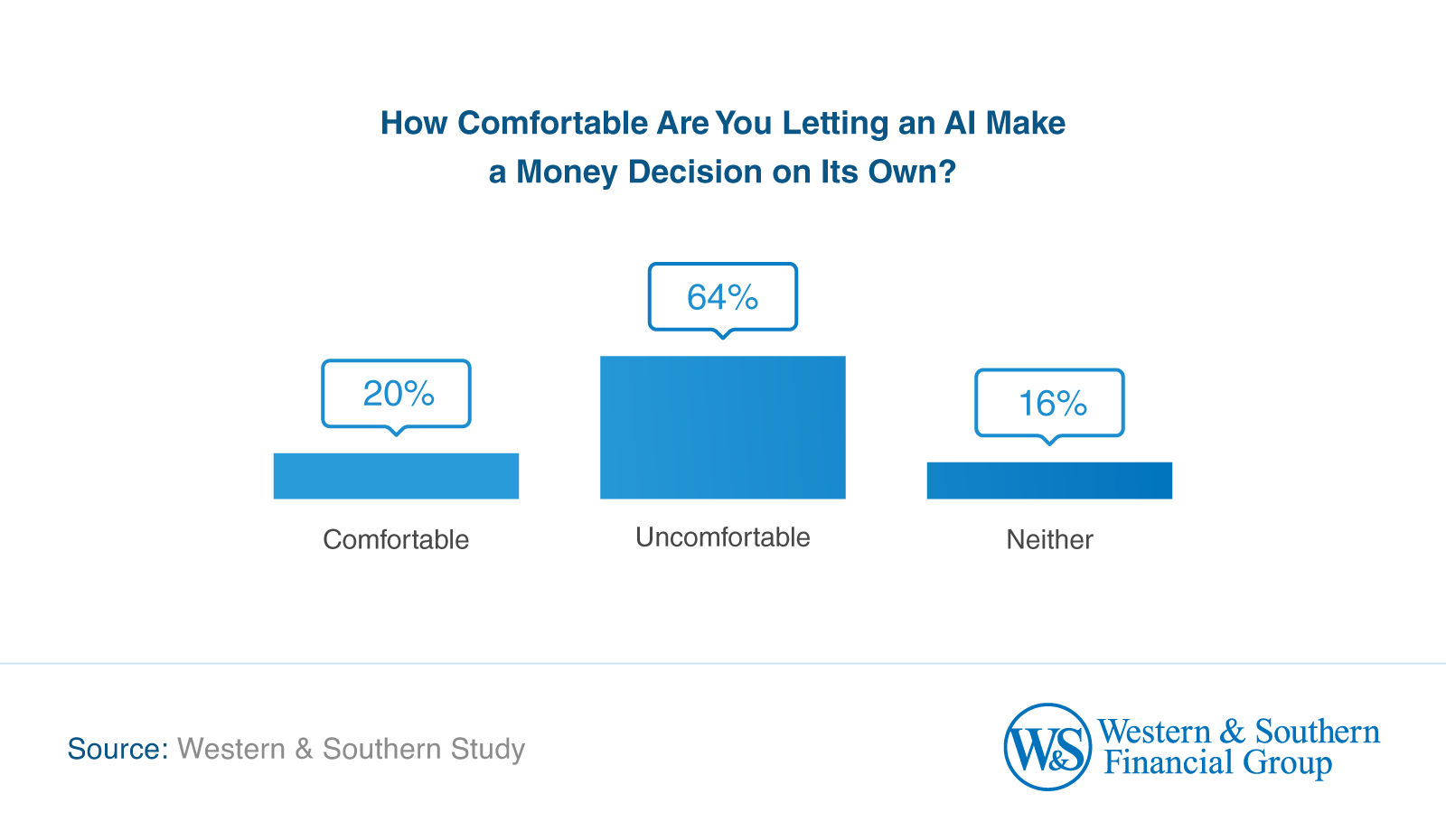
Most respondents expressed discomfort with fully automated financial decision-making. Nearly two-thirds (64%) said they would feel uncomfortable allowing AI to make an important money decision on its own.
Baby boomers were the most uncomfortable with AI-driven financial decisions, with 78% expressing discomfort. They were followed by Gen Z (67%), Gen X (63%), and millennials (59%), who were the most open to the technology. The findings suggest that while AI has become a useful financial tool for many households, human expertise remains the preferred source of guidance for significant financial choices.
Knowing Your Numbers Starts With Knowing Yourself
Financial health depends on more than income alone. It also requires a clear understanding of where money is going, how assets and debts compare, and whether long-term goals remain on track.
This study shows that many respondents still have significant blind spots when it comes to their financial vitals. As technology expands access to financial information and strategies, the challenge may no longer be finding the numbers but making time to understand what they mean. The better people know their own financial story today, the more prepared they may be for tomorrow.
Methodology
Western & Southern surveyed 1,001 Americans about how well they know their own financial numbers, from account balances and monthly spending to net worth and retirement readiness. The generational breakdown was 46% millennials, 27% Gen X, 15% Gen Z, and 12% baby boomers. Additionally, 52% of respondents identified as women and 46% as men, with the remainder identifying as non-binary or preferring not to say. Percentages may not sum to 100% due to rounding. Data was collected in June 2026.
As with any opt-in survey, results may be subject to self-selection bias, as people who chose to participate may differ from those who didn't. Generational and gender comparisons reflect differences within this survey sample and may not represent the broader population.
About Western & Southern Financial Group
Founded in Cincinnati in 1888 as The Western and Southern Life Insurance Company, Western & Southern Financial Group, Inc., is No. 321 on the Fortune 500® and the parent company of a group of diversified financial services businesses. It serves 6.3 million customers — individuals, families, businesses, foundations and nonprofits — with a wide range of insurance, investment and retirement solutions through an ever-growing distribution system. Assets owned ($90.0 billion) and managed ($42.3 billion) totaled $132.5 billion as of Mar. 31, 2026.1 Western & Southern is one of the strongest life insurance groups in the world, with seven life insurance subsidiaries that maintain very strong financial strength ratings. For more information, visit westernsouthern.com.
1 The financial information presented here is preliminary and unaudited.
Review our current financial ratings.
From Fortune ©2026 Fortune Media IP Limited. All rights reserved. Used under license. Fortune and Fortune 500 are registered trademarks of Fortune Media IP Limited and are used under license. Fortune Magazine and Fortune Media (USA) Corporation are not affiliated with, and do not endorse products or services of, Western & Southern Financial Group.
Fair Use Statement
These findings may be shared for non-commercial purposes with proper attribution to Western & Southern Financial Group and a link to the original study.
