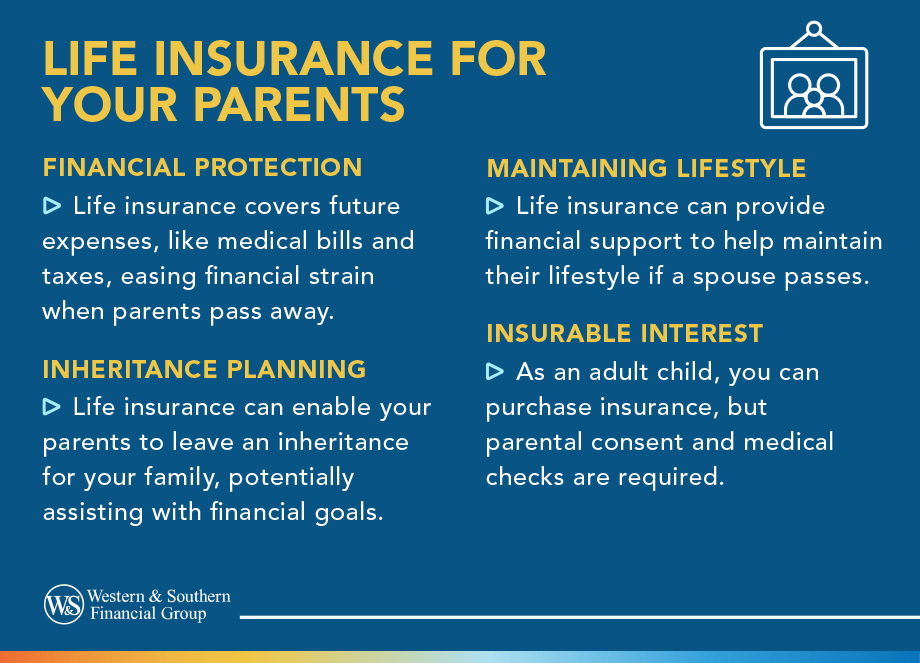
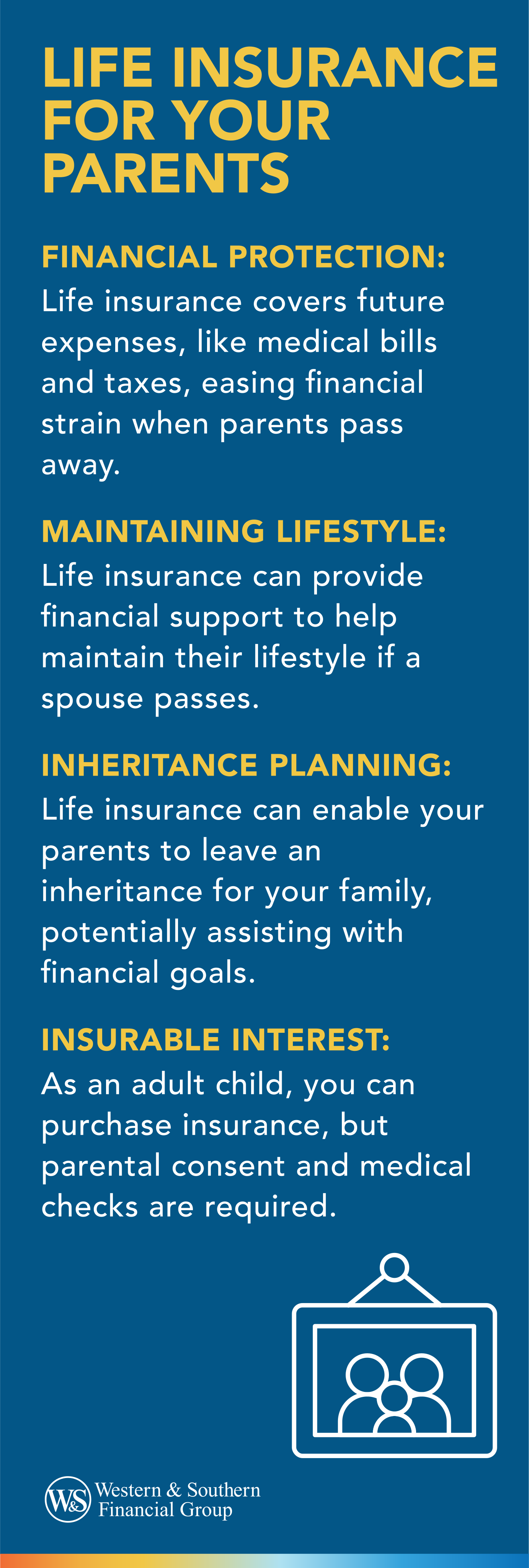
At some point, many adult children begin thinking about how their parents’ final expenses will be handled. Life insurance for your parents can play a role in end of life planning, especially when savings are limited or costs are uncertain. Understanding how these policies work and whether they fit your family’s needs can help you make informed, respectful decisions.
Why Consider Life Insurance for Your Parents?
Covering Funeral and Final Expenses
Funeral costs often arrive quickly and leave little room for planning. According to the National Funeral Directors Association, the median cost of a funeral with burial exceeds $8,000, not including cemetery fees or extras.1 Cremation costs less, but still runs several thousand dollars.
A life insurance policy can help cover:
- Funeral expenses and memorial services
- Burial or cremation costs
- Administrative fees tied to end-of-life planning
Final expense life insurance and burial insurance are often designed specifically for these needs, with smaller policy amounts and simplified application steps.
Medical Bills, Outstanding Debts, and End-of-Life Costs
Medical care near the end-of-life can be expensive, even for parents with Medicare. Deductibles, copays, prescription costs, and uncovered services may still apply. In some cases, families also face:
- Credit card debts
- Outstanding personal loans
- Medical balances not covered by insurance
A death benefit can help offset these costs, reducing the likelihood that a family member steps in financially.
When Adult Children May Face Financial Responsibility
Adult children generally are not responsible for a parent’s debts, but practical pressure often tells a different story. Families frequently pay expenses out of pocket to settle estates quickly or avoid complications. Life insurance proceeds can provide liquidity when assets are tied up, delayed, or insufficient.
How Life Insurance Can Support Inheritance Planning
Life insurance can support inheritance planning by covering funeral costs, medical bills, or credit card debt. This can help preserve other assets for heirs and reduce the need to sell property or use savings meant for inheritance.
Can You Buy Life Insurance for Your Parents?
Yes, you can, but there are a few requirements to meet.
Consent and Insurable Interest Requirements
You cannot purchase life insurance on a parent without their knowledge. Insurance companies require:
- The parent’s consent
- Proof of insurable interest
- A signed application and authorization
Insurable interest usually exists between parents and adult children, meaning you would experience a financial loss if your parent passed away.
Policy Ownership vs. Beneficiary Roles
You can be:
- The policy owner, responsible for premium payments
- The beneficiary, receiving the death benefit
- Or both
In some families, parents prefer to own the policy while naming adult children as beneficiaries. Others prefer the reverse, especially when adult children are covering the cost.
Choosing the right structure affects control, taxation, and estate considerations.
Common Approval and Underwriting Challenges
The underwriting process often becomes more complex with age. Depending on the policy type, insurers may request:
- A medical exam
- A urine sample
- Prescription history
- A social Security number
Health conditions, medications, and age can limit coverage amount or increase premiums. Guaranteed Life Insurance options may bypass underwriting but usually come with lower policy amounts and waiting periods.
Life Insurance Options for Parents
Term Life Insurance
Term life insurance provides coverage for a set period, often 10, 15, or 20 years. It can work well when:
- Parents are younger seniors
- Coverage needs are temporary
- Premium pricing matters
Term policies typically offer higher coverage amounts at lower initial cost, but they expire without a payout if the term ends.
Whole Life and Permanent Life Insurance
Whole life insurance and other forms of permanent life insurance remain in force for life, as long as premiums are paid. These policies include:
- A guaranteed death benefit
- A cash value component that grows over time
- Predictable premium structures
Permanent policies often appeal to families planning for funeral costs, estate taxes, or long-term coverage needs.
Final Expense and Burial Insurance
Final expense insurance, sometimes called burial insurance or final expense life insurance, is designed for older adults. Coverage amounts are smaller, typically ranging from $5,000 to $25,000.
These policies may:
- Skip medical exams
- Simplify the application process
- Focus on funeral expenses and unpaid bills
Guaranteed Issue Policies and When They Apply
Guaranteed life insurance does not require medical underwriting. Many guaranteed issue policies include graded death benefits in the first years of coverage. Approval is based primarily on age and residency. However:
- Policy amounts are limited
- Premiums are higher per dollar of coverage
- Many include graded death benefits during the first few years
These policies may be appropriate when health conditions prevent approval elsewhere.
Pros & Cons of Buying Life Insurance for a Parent
Deciding whether to buy life insurance for a parent often comes with a mix of practical and emotional considerations, making it helpful to weigh the potential benefits against the limitations before moving forward.
| Pros | Cons |
|---|---|
| Helps cover funeral costs and unpaid expenses | Premiums increase with age |
| Reduces financial strain on adult children | Coverage amounts may be limited |
| Provides predictable funding for final needs | Underwriting may be restrictive |
| Can simplify end-of-life planning | Emotional discomfort discussing mortality |
Family dynamics matter. Some parents welcome the conversation. Others may resist, viewing it as unnecessary or uncomfortable.
How to Compare Life Insurance Policies for Your Parents
When comparing life insurance for your parents, focus on how coverage, cost, and eligibility meet their health, finances, and future plans, rather than finding the perfect policy.
Coverage Amounts and Premium Structures
Start by estimating realistic coverage needs. Consider:
- Funeral expenses
- Medical bills
- Credit card debts
- Other end-of-life costs
Tools like how much life insurance is needed calculators can help frame the discussion.
Underwriting Requirements and Health Factors
Ask insurers about:
- Medical examinations and testing procedures
- Reviews of current and past medications
- Limits based on the person's age
- Waiting periods before benefits become active
Comparing underwriting standards can reveal meaningful differences between policies.
When Working With an Agent May Be Helpful
An experienced insurance agent can:
- Compare multiple insurance companies
- Explain underwriting nuances
- Match policies to health profiles
This can be especially helpful for older parents or complex medical histories.
Life Insurance for Parents vs. Self-Funding Final Expenses
Some adult children opt to pay for end-of-life expenses directly rather than purchasing life insurance. While this may suit certain situations, it isn’t always the most advisable option.
Paying Out of Pocket vs. Insurance Coverage
Some families prefer self-funding through savings or prepaid funeral plans. This can work when:
- Parents have sufficient liquid assets
- Final costs are already allocated
- Insurance premiums outweigh benefits
Insurance provides leverage through small monthly payments for a larger policy amount but it is not always the best fit.
Savings, Prepaid Funeral Plans, and Insurance Comparisons
Prepaid plans lock in today’s prices but reduce flexibility. Savings accounts provide access but may fall short if costs rise. Life insurance sits somewhere in between, offering structure without tying up funds.
Situations Where Self-Funding May Be More Appropriate
Self-funding may make sense when parents:
- Have ample savings
- Already completed end-of-life planning
- Prefer direct control over funds
Each option comes with tradeoffs.
Choosing between insurance and self funding often comes down to how much certainty and flexibility a family wants when planning for final expenses.
How to Talk to Your Parents About Life Insurance
Starting the Conversation Respectfully
Approach the conversation with a focus on preparation, not fear. Frame life insurance as a way to help reduce future financial stress for loved ones rather than focusing on loss.
Addressing Concerns About Cost and Control
Parents often worry about affordability or losing control of their finances. Clearly explain the details, including who pays the premiums, who owns and controls the policy, and how the benefits would be used.
Handling Common Objections
Objections may include:
- “I don’t need it.”
- “It’s too expensive.”
- “I already planned for this.”
Start by listening. Giving parents space to share concerns helps build trust and makes it easier to discuss practical options once those concerns are understood.
Conclusion
Life insurance for your parents is about preparation, not prediction. The right policy can help cover funeral costs, medical bills, and outstanding debts while supporting end-of-life planning. Comparing options and involving your parents in the process can help families move forward with clarity.
Help you and your parents prepare for the future. Request a Free Life Insurance Quote
Sources
- Statistics - National Funeral Directors Association. https://nfda.org/news/statistics.