
What Is 10-Pay Life Insurance?
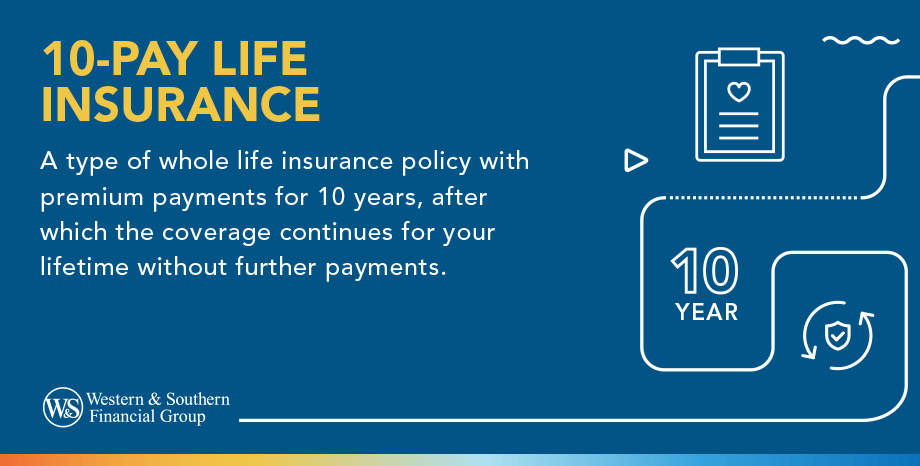
10-pay life insurance is a type of whole life insurance policy that lets you complete premium payments within 10 years. It provides lifetime coverage while helping simplify long-term protection. Unlike traditional whole life policies, which require payments for life, this limited-pay option offers more flexibility. It lets you build cash value and protect your loved ones without ongoing payments.
Why Choose 10-Pay Life Insurance?
One of the main benefits of 10-pay life insurance is its simple structure. Completing payments within 10 years removes the need for long-term premium commitments. This can work well if you expect major life changes, such as retirement or increased expenses.
How Does 10-Pay Life Insurance Work?
10-pay life insurance works like traditional whole life insurance but with a shorter payment period of 10 years. Here is a breakdown:
- Premium Payments: You pay higher annual premiums than traditional whole life insurance, but only for 10 years. For example, if the annual premium for limited payment life insurance is $5,000, you will pay $50,000 over 10 years. A traditional whole life policy might require $2,500 per year for 20 years, reaching the same total over a longer time.
- Lifetime Protection: After the payment period ends, the policy stays active as long as it remains in force. It provides lifelong coverage with a permanent death benefit. Policy guarantees depend on timely premium payments. Loans or withdrawals will reduce the death benefit.
- Cash Value Growth: Part of your premium builds cash value over time on a tax-deferred basis. You may be able to borrow against it or use it for other needs.
- Guaranteed Death Benefit: Your beneficiaries receive a set death benefit, which can help support future expenses.
Pros: Benefits of 10-Pay Life Insurance
Having lifetime coverage without lifetime payments appeals to many people. Here are some key benefits:
- Short Payment Term: Paying premiums over 10 years lets you shift funds to other priorities later while keeping coverage.
- Lifetime Coverage: Your policy remains in place for life, unlike term policies that expire after a set period.
- Cash Value Accumulation: Cash value grows over time and can be used for emergencies, education, or retirement income.
- Tax Advantages: Cash value grows on a tax-deferred basis. The death benefit is generally paid tax-free to beneficiaries. This assumes the policy is not a Modified Endowment Contract (MEC) and withdrawals do not exceed the cost basis.
- Simple Payment Structure: A fixed 10-year schedule makes it easier to plan for premium payments.
Cons: Drawbacks of 10-Pay Life Insurance
While there are benefits, there are also trade-offs to consider:
- Higher Initial Premiums: The shorter payment period means higher annual costs, which may be difficult for some budgets.
- Risk of Policy Lapse: Missing payments during the 10-year period could cause the policy to lapse and reduce or eliminate benefits.
- Opportunity Cost: Higher premiums may limit your ability to invest or save in other areas during those 10 years.
- Limited Flexibility: Once you choose the 10-year payment schedule, it usually cannot be extended or changed.
10-Pay Life Insurance vs. 20-Pay Life Insurance
When comparing a 10-pay policy to a 20-pay policy, there are key differences to consider:
| Feature | 10-Pay Life Insurance | 20-Pay Life Insurance |
|---|---|---|
| Premium Payment Duration | Paid over 10 years | Paid over 20 years |
| Annual Premium Costs | Higher | Lower |
| Potential Cash Value Growth | Builds faster | Slower growth |
| Ideal For | People who want to finish payments sooner | People who prefer lower yearly payments over a longer period |
Who Should Consider 10-Pay Life Insurance?
This limited-pay whole-life policy is ideal for individuals who:
- Want to limit long-term commitments: If you prefer a set payment period instead of paying premiums for life, a 10-pay life insurance policy may be a good option.
- Have higher disposable income: Premiums are higher during the 10-year payment period, so this option may work well for those who can manage the cost.
- Are planning for retirement: This option can help you have your policy fully paid off before you retire.
- Want to support estate goals: The tax-free death benefit and cash value growth can help with passing assets to others.
How Does 10-Pay Life Insurance Compare to Other Policies?
| Policy Type | Premium Duration | Cost | Features |
|---|---|---|---|
| 10-Pay Life vs. Traditional Whole Life | 10 years vs. lifetime | Higher early cost, lower total over time | Payments end early; more flexibility later |
| 10-Pay Life vs. Term Life | Lifetime vs. set term (e.g., 20 years) | Term costs less at first but offers no cash value | Term is temporary; 10-pay lasts for life |
| 10-Pay Life vs. Universal Life | Fixed for 10 years vs. flexible payments | Universal life may carry more risk | Flexible vs. fixed payments; guaranteed cash value |
Factors to Consider When Choosing 10-Pay Life Insurance
When deciding whether 10-pay life insurance is the right choice, consider the following factors:
- Your Financial Stability: Make sure you can handle higher premium payments during the 10-year period.
- Long-Term Goals: Align the policy with your retirement, estate strategy, and overall goals.
- Health Status: Premiums may vary based on your health, so review how your current condition may affect costs.
- Other Financial Commitments: Think about how the premium payments fit into your current budget and expenses.
How to Maximize Benefits of 10-Pay Life Insurance
To get the most out of your 10-pay life insurance policy, consider these strategies:
- Start early: Buying a policy at a younger age may help lower your premium.
- Monitor cash value regularly: Track your policy’s cash value and use it carefully for emergencies or added income.
- Rider coverage: You may be able to add riders for an extra cost, such as a waiver of premium if you become disabled.
- Use tax advantages: Work with a professional to help improve how you use the policy’s tax features.
- Coordinate with your estate strategy: Use the policy as part of a broader approach to pass assets to your beneficiaries.
Is 10-Pay Life Insurance Right for You?
10-pay life insurance can be a practical option if you want lifetime coverage without ongoing premium payments. By paying the policy within a set period, you can build cash value and provide a death benefit for your loved ones.