Do you think teaching kids about money is unnecessary? Or that your teen would easily pass a personal finance test? In today’s digital world, understanding money matters more than ever.
Many parents are unsure where to start, especially when most payments happen online. These tips can help your children build strong money habits that last.
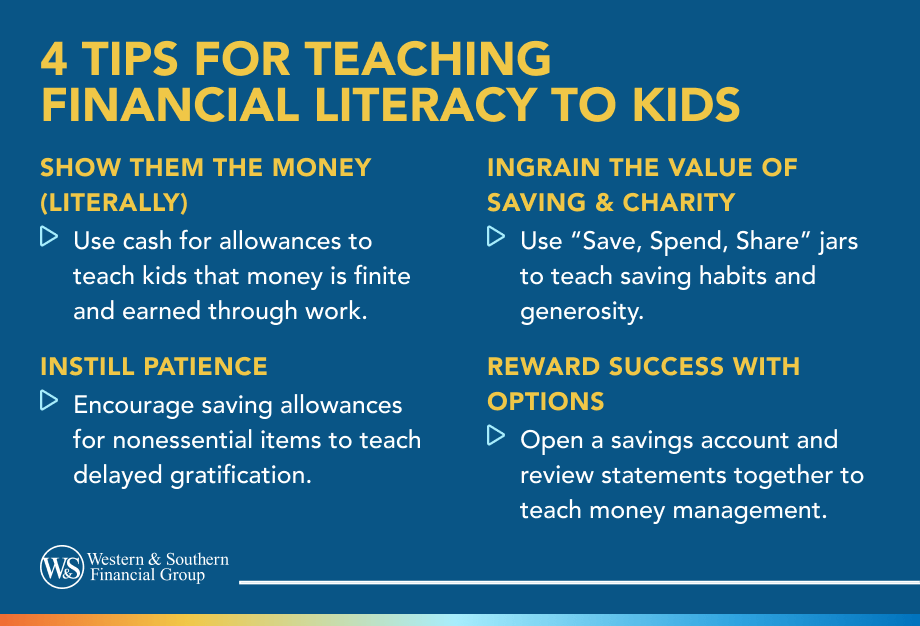
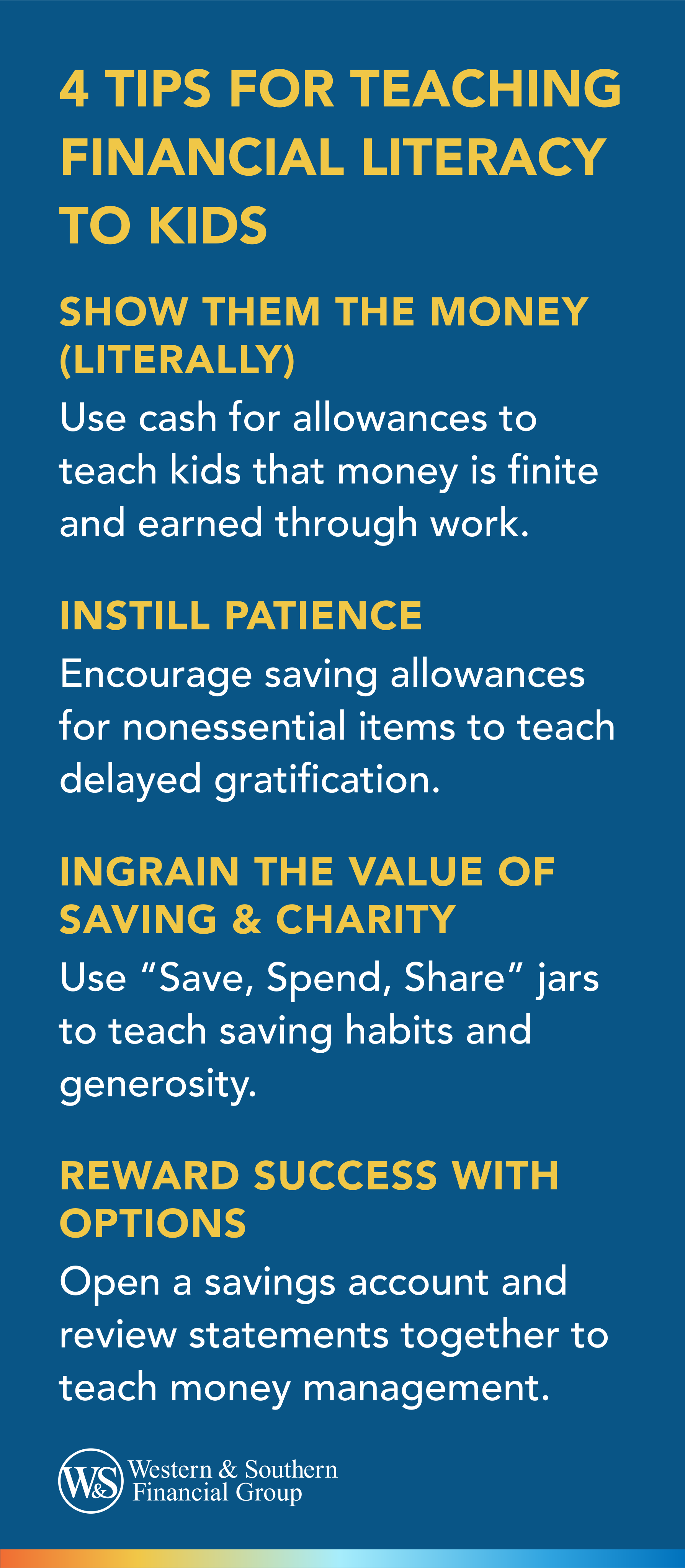
1. Show Them the Money (Literally)
With digital payments everywhere, some kids struggle to understand that money is limited. Without seeing cash, it can feel like money is always available.
Show your children physical bills and coins, and explain how money is stored in a bank account. This helps connect the idea of earning, saving, and spending.
You can also give allowances for age-appropriate chores or pay in cash instead of digital methods or rewards like toys. This hands-on approach makes money feel more real.
2. Instill Patience
It can be tempting to buy kids what they want right away. But waiting and saving can be a valuable lesson. Try to encourage your children to save their allowance for nonessential items, such as toys and electronics, and set goals for things they want to buy.
Over time, you can give them more control over their money. As they grow, they can begin managing their own accounts and making decisions independently.
3. Ingrain the Value of Saving & Charity
Teaching kids how to divide money early can build strong habits.
A simple method is to use three labeled containers:
- Save for future goals
- Spend for everyday purchases
- Share for donations
You can start this system as early as ages 3 to 5. It helps children see how money can be used in different ways.
4. Reward Success With Options
As your child becomes more comfortable managing money, you can introduce new tools and responsibilities.
Consider these steps:
- Open a savings account: Let your child be part of the process and see how deposits work
- Review statements together: Talk about interest, deposits, and account activity each month
- Introduce cards carefully: As teens, they may be ready for a credit card or a prepaid card
Prepaid cards can be a helpful starting point. They function like credit cards but limit spending to the available balance. This can help teens learn how to manage money before taking on more responsibility, especially as they prepare for college.
Additional Considerations
Beyond the basics, here are few other factors that can shape how children learn about money:
- Lead By Example: Kids often learn by watching. How you spend, save, and talk about money can influence their habits. Simple actions like discussing everyday purchases or explaining why you are saving for a goal can make a lasting impact.
- Talk Openly About Money: Keep conversations age appropriate but consistent. Answer questions honestly and explain money decisions in simple terms. This can help children feel more comfortable asking questions as they grow.
- Set Clear Boundaries: It helps to define what you will and will not pay for. This can prevent confusion and teach children to make choices with their own money. For example, you might cover needs while expecting them to save for extras.
- Adjust Lessons as They Grow: A younger child may focus on coins and basic saving, while a teen may be ready to learn about budgeting or managing an account. As your child’s understanding improves, introduce more complex topics over time.
- Encourage Learning From Mistakes: If your child spends all their money too quickly, it can become a learning moment. Small mistakes now can help them build better habits over time.
These added considerations can support the lessons above and help children build a stronger understanding of how to manage money.
Final Thoughts
Finances have changed a lot in the past decade, but strong money skills still matter. Teaching kids about money is one way to help make sure they have stable financial futures ahead. You can start with these tips to help prepare your children for a financially healthy adult life.