What Is Life Insurance?
Life insurance is a financial product that provides a lump sum payment, called a death benefit, to designated beneficiaries after the insured person dies. In exchange for this coverage, the policyholder pays regular premiums to the insurance company. Life insurance helps support your family’s financial future if an unexpected loss occurs.
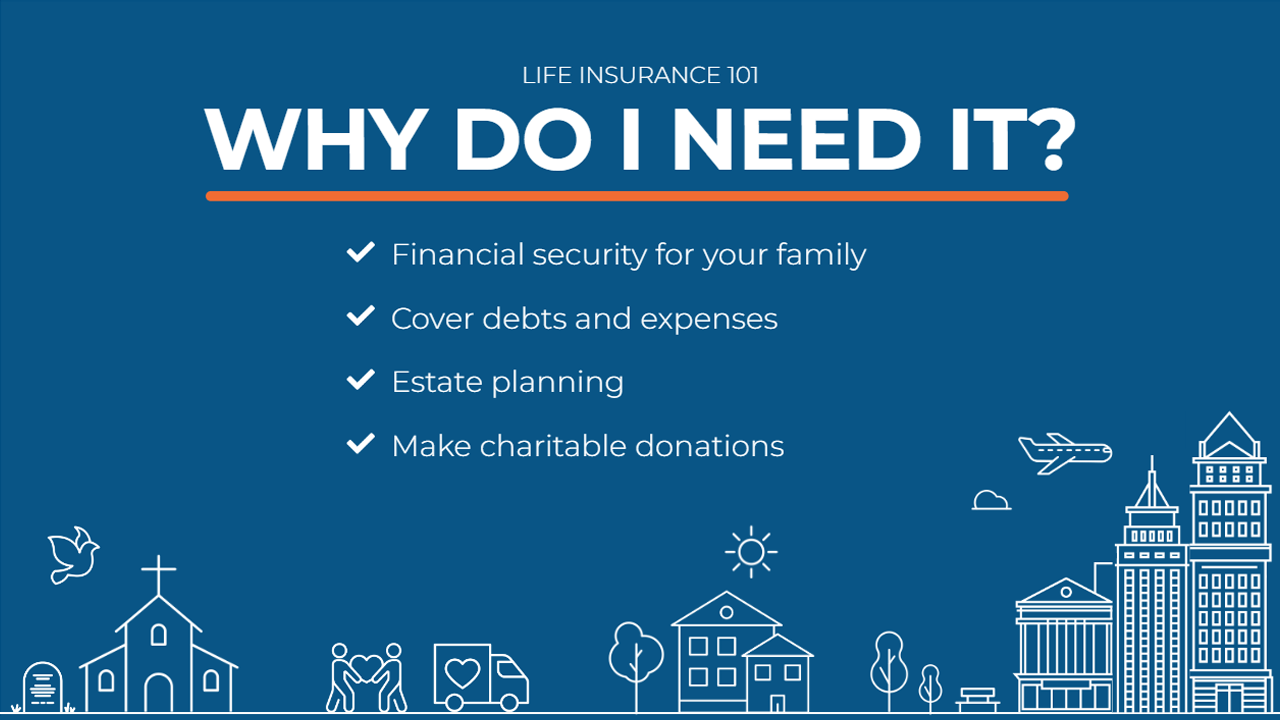
Life insurance matters because can provide support for your loved ones after you are gone. It can replace lost income and help your family avoid financial strain. It can also provide funds to help maintain their lifestyle, pay off debts, cover a child’s education, manage daily expenses, and handle end-of-life costs such as funeral and medical bills.
What Is a Life Insurance Policy?
A life insurance policy is a contract with a life insurance company where you pay premiums for a death benefit given to your beneficiaries upon your death. The policy is the legal document detailing the terms and conditions of this contract, effective upon purchase. It details the coverage, premiums, beneficiaries, and terms under which the death benefit will be paid out.
What Are the Types of Life Insurance?
Choosing the right type of life insurance policy can help you meet your specific needs. Life insurance products fall into two main categories: term life and permanent life. Each offers different features based on your goals.
Term Life Insurance
Term life insurance policies are the most basic and typically lower-cost option for coverage. These policies provide coverage for a set period, usually 10 to 30 years. Because the coverage is temporary, premiums are often lower than those for permanent policies.
If you pass away during the term, the insurance company pays the death benefit to your beneficiary. If you outlive the term, the coverage will end.
Term life insurance includes the following types of policies:
- Convertible term life insurance allows you to change your term policy into permanent coverage. A medical exam is often not required. You must convert the policy before the term ends, which can help keep your long-term options open.
- Increasing term life insurance offers a death benefit that grows over time. Premiums also increase, which can help the payout keep up with inflation over time.
- Decreasing term life insurance has a death benefit that goes down over time, usually at a set rate. This type is often used for debts that shrink over time, such as a mortgage.
- Renewable term life insurance lets you renew your policy for another term without proving insurability. This allows you to continue coverage without going through a new underwriting process.
Permanent Life Insurance
Permanent life insurance policies provides coverage that lasts as long as you continue paying the required premiums. In addition to a death benefit, these policies include a cash value component that grows over time. You can use this cash value later in life for various needs.
Permanent life insurance includes the following types of policies:
- Whole life insurance has fixed premiums that stay the same throughout your life. The cash value grows at a guaranteed rate, regardless of market changes.
- Universal life insurance allows you to adjust your premiums and death benefit over time. The cash value earns interest based on current rates. If your premium payment is too low or missed, the cash value may be used to cover policy costs.
- Variable life insurance ties the cash value to investment subaccounts you choose. The value can increase or decrease based on market performance, offering growth potential along with risk.
- Variable universal life insurance combines features of variable and universal life policies. Your cash value depends on investment performance, and you can adjust your premiums as your situation changes.
Advantages of Life Insurance
Life insurance offers several benefits:
- It can help cover expenses such as medical bills, funeral costs, and outstanding debts.
- It can replace lost income and support your household’s ongoing needs.
- Some policies build cash value, offering a source of funds for emergencies.
- It can support legacy goals, such as leaving money to family members or charitable causes.
- It can help reduce the financial impact on your loved ones after your passing.
- It may provide tax advantages and an additional source of income in retirement.
Who Needs Life Insurance
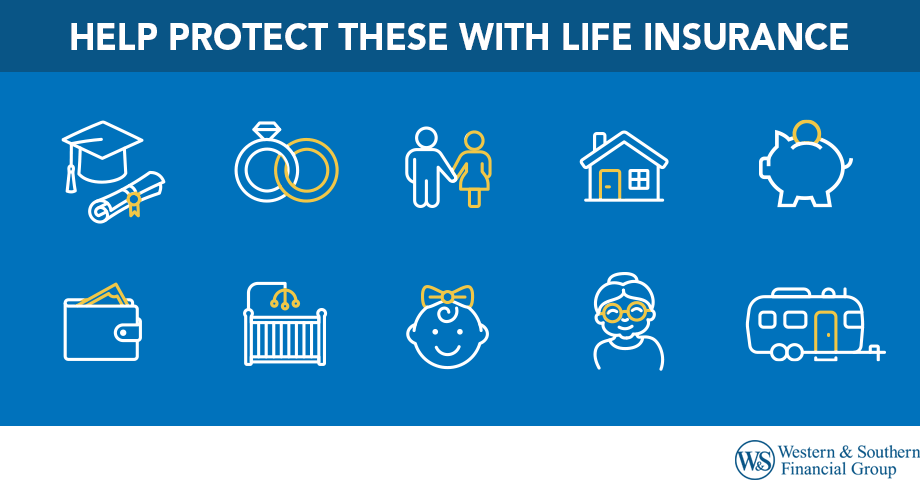
Life insurance is can be helpful for many people, including young adults, parents, homeowners, business owners, and retirees. It can provide financial protection for loved ones if the unexpected happens.
A policy can help cover debts and replace lost income for beneficiaries. Getting coverage earlier in life may lead to lower premiums over time.
Speaking with a life insurance professional can help determine the appropriate choices for life insurance coverage that fits your needs and situation.

How Life Insurance Works
Application and Underwriting
Before applying for coverage, you need to decide how much life insurance to purchase. Buying too much means paying for coverage you may not need, while buying too little could affect your goals for the death benefit.
After choosing the type, coverage amount, and any optional riders, the next step is to apply.
Applying for a life insurance policy includes an underwriting process. During this process, the insurance company reviews your risk based on your health, lifestyle, job, and other factors. You may need to undergo a medical exam and share details about your medical history and daily habits.
Life insurance usually costs more for people with certain health conditions or higher risk factors because there is a greater chance of an earlier death. In some cases, the insurer may deny coverage if the risk is too high.
Choosing a Beneficiary
As part of completing your application, you will choose a life insurance beneficiary. This is the person or entity that would receive the death benefit if you pass away while the policy is active. Naming a beneficiary can help avoid delays and extra costs by keeping the payout out of probate.
You can choose almost anyone as your beneficiary. This may include a spouse or partner, family members, a business partner, or a guardian for your children. You can also name a charity, trust, or organization.
Policy Activation and Coverage
If you are approved, the insurer will send an offer that outlines your coverage amount and premium. The contract will include your policy number, start date, beneficiary details, personal information, and any terms or conditions tied to your coverage. If you agree with the offer, you can accept it and move forward with the policy.
Once your policy is active, you will begin making life insurance premiums to keep the coverage in place. The cost depends on factors such as the type of policy, coverage amount, age, health, life expectancy, and overall risk.
After activation, the policy provides coverage for a set period if you have term insurance, or for your lifetime if you have permanent insurance. The policy stays active as long as premiums are paid.

What Happens After You Apply for Life Insurance?
Cash Value Accumulation
For permanent policies, such as whole or universal life insurance, a portion of your premiums goes into a cash value account. This account grows over time and may earn interest or investment returns. You may access it through loans or withdrawals, but doing so can reduce the death benefit.
Accessing your cash value may be helpful, but loans accrue interest. They can also create income tax liability, reduce the account value and death benefit, and may cause the policy to lapse. Review these details before taking a loan.
Filing a Claim
If the insured person passes away while the policy is active, a claim form must be filed with the life insurance company. A life insurance claim notifies the insurer that a covered individual has passed away.
Each company has its own form, but you can expect to provide:
- The life insurance policy number, the deceased’s name and Social Security number (SSN), and a brief description of the cause of death
- Your information as the beneficiary, including your name, address, Social Security number (SSN), and relationship to the deceased
- How you would like to receive the death benefit
Submit the completed form along with a certified copy of the death certificate.
The life insurance company will review the claim and confirm that the cause of death is not excluded under the policy. Most policies do not pay a death benefit for certain causes of death during the contestability period, which is often the first two years of the policy.
If the claim is approved, the insurer will pay the death benefit to the designated beneficiary. The company can only pay the benefit to the listed beneficiary. In most cases, the government does not charge income tax on life insurance death benefits.
Policy Termination
A life insurance policy may end if the policyholder surrenders it, stops paying premiums after the grace period, or if a term life policy reaches the end of its term. With permanent policies, the policyholder may receive the surrender value if the policy is canceled.
How to Get Started
For more help understanding how to buy life insurance or reviewing your coverage, consider contacting a financial representative. They can explain your options and help make sure your coverage aligns with your needs.